
What Makes Decorative Wall Board A Smarter Choice For Modern Interior Projects?
2026-05-08
When I compare wall finishing options for residential, retail, hotel, and office projects, I usually look beyond surface appearance. I care about installation time, finish consistency, maintenance cost, design flexibility, and whether the material can support a cleaner construction process. That is why I have been paying closer attention to Hanhua Vision (Xiamen) New Material Technology Co., Ltd. as the company continues to develop practical interior panel materials, especially Decorative Wall Board, for projects that need both visual appeal and reliable performance.
Many buyers come to wall materials with the same frustration. Traditional painting can take too long, wallpaper may not hold up well in busy spaces, and stone-like finishes can become expensive or heavy. A finished wall panel offers a more controlled solution. Instead of relying heavily on on-site finishing skills, the surface effect is largely prepared in the factory, which helps the final wall look more consistent from one area to another.
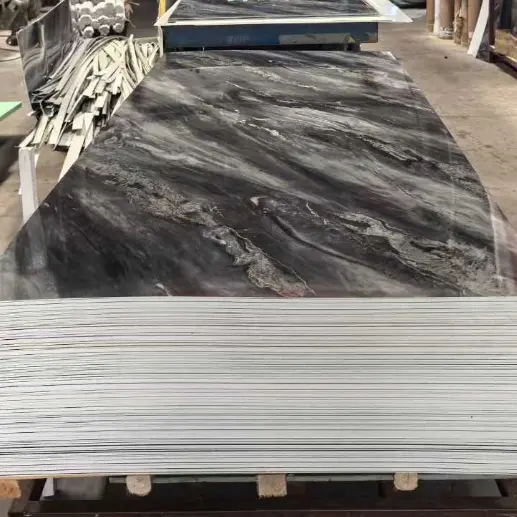
What Problems Can Decorative Wall Board Help Solve In Real Projects?
In my experience, the real value of Decorative Wall Board is not only that it looks good. It also helps solve several common problems that interior contractors, designers, and property owners face during renovation or new construction.
- Uneven wall appearance because painted or wallpapered surfaces can vary from worker to worker.
- Slow construction schedules when projects depend on wet work, drying time, sanding, or repeated touch-ups.
- High maintenance pressure in hotels, offices, shops, corridors, and other frequently used areas.
- Limited design consistency when large wall areas require the same color, texture, and visual rhythm.
- Complicated material coordination when corners, trims, background walls, and large panels need to match.
A well-selected Decorative Wall Board gives me a more predictable way to finish interior walls. The panel format allows large areas to be covered efficiently, while the finished surface helps create a neat, modern, and repeatable visual effect.
Which Interior Spaces Are More Suitable For Decorative Wall Board?
I would not treat one material as the answer to every wall problem. However, Decorative Wall Board works especially well in spaces where appearance, installation efficiency, and daily use all matter at the same time. That includes private homes, commercial interiors, and public areas where walls are seen and touched often.
| Project Area | Common Buyer Concern | How Decorative Wall Board Helps |
|---|---|---|
| Living rooms and bedrooms | Homeowners want a clean, warm, and stylish wall effect without long renovation delays. | It can create feature walls, TV backgrounds, and decorative surfaces with stable texture and color. |
| Hotels and apartments | Operators need attractive interiors that can be installed across many rooms with consistent results. | Panel-based installation supports repeatable design and easier project management. |
| Offices and meeting rooms | Businesses need a professional look that does not feel too cold or plain. | Wood, stone, solid-color, or modern textures can improve the space without heavy construction. |
| Retail stores and showrooms | Brands need walls that support display, lighting, and customer experience. | Decorative panels help build a more polished commercial atmosphere. |
| Corridors and public areas | Walls need to look orderly while handling frequent traffic and routine cleaning. | Finished wall boards can reduce the need for repeated repainting and surface repair. |
What Should I Compare Before Choosing Decorative Wall Board?
I never suggest choosing a wall panel based only on a product picture. A good purchasing decision should consider structure, surface finish, installation method, project environment, and long-term use. The right Decorative Wall Board should match the design intention, but it should also be practical enough for the real job site.
- Surface design should match the overall interior style, such as wood grain, stone texture, solid color, bamboo-style finish, or modern decorative pattern.
- Panel stability matters when the project involves large wall areas or continuous installation.
- Thickness and size options should fit the project layout and reduce unnecessary cutting on site.
- Installation method should be suitable for the wall condition, construction schedule, and available labor.
- Maintenance needs should match the space, especially for hotels, shops, restaurants, offices, and public buildings.
- Supplier support matters because samples, customization guidance, and project communication can affect the final result.
This is where I think Hanhua’s product direction is useful for B2B buyers. The company’s wall board category includes different decorative panel styles, allowing buyers to compare options for residential interiors, commercial decoration, and larger engineering projects without forcing every project into one single material look.
Why Is Decorative Wall Board Often Easier To Manage Than Paint Or Wallpaper?
Paint and wallpaper still have their place, but they can be sensitive to site conditions. Paint depends on wall preparation, drying time, worker skill, and later touch-ups. Wallpaper can bring design variety, but it may struggle in spaces with higher wear or frequent cleaning requirements.
By contrast, Decorative Wall Board is usually supplied as a finished panel. This means the color, texture, and decorative surface are controlled before installation. For project managers, that can make the whole process easier to plan. For designers, it helps keep the finished wall closer to the approved sample. For property owners, it can reduce the uncertainty that often appears near the end of a renovation.
| Wall Finish Option | Main Advantage | Common Limitation | Best Use Case |
|---|---|---|---|
| Paint | Flexible color selection and familiar application process | Requires drying time and may need frequent touch-ups | Simple walls with low decorative requirements |
| Wallpaper | Rich patterns and softer visual effect | Can be affected by moisture, seams, or surface damage | Decorative rooms with controlled indoor conditions |
| Stone or tile | Strong visual presence and durable surface | Higher weight, higher cost, and more complex installation | Premium feature walls or wet areas depending on specification |
| Decorative Wall Board | Factory-finished surface, faster installation, and consistent appearance | Needs proper sizing, matching accessories, and suitable wall preparation | Homes, hotels, offices, retail stores, corridors, and commercial interiors |
How Does Decorative Wall Board Support Better Design Freedom?
A wall is no longer just a background. In many modern interiors, it becomes part of the brand image, the room atmosphere, and the user experience. I like Decorative Wall Board because it gives designers more room to shape the space while keeping construction more practical.
For a quiet residential interior, a warm wood-grain or bamboo-inspired surface can make the room feel natural and comfortable. For a commercial showroom, a clean stone-like or modern solid-color panel can help products stand out. For office corridors, a simple and consistent wall finish can make the space feel more organized. The material choice changes the mood without requiring overly complicated wall construction.
- For modern homes, it can be used for TV walls, bedroom backgrounds, entrance walls, and dining areas.
- For hospitality spaces, it can help create consistent room finishes and elegant public areas.
- For commercial interiors, it can support brand colors, display walls, reception zones, and customer-facing areas.
- For office projects, it can make meeting rooms, lounges, and corridors look more finished and professional.
What Product Advantages Matter Most To Buyers?
Buyers usually care about appearance first, but they approve a material only when it also makes sense commercially. A strong Decorative Wall Board option should help reduce uncertainty in procurement, installation, and future use.
| Buyer Priority | Why It Matters | What I Would Look For |
|---|---|---|
| Consistent finish | Large projects need walls to look uniform across rooms and floors. | Stable color, clear texture, and reliable surface processing. |
| Installation efficiency | Shorter construction time can reduce labor pressure and project delays. | Panel sizes, modular installation support, and matching accessories. |
| Design variety | Different spaces need different visual effects. | Wood, stone, bamboo, solid-color, or contemporary decorative finishes. |
| Maintenance convenience | Commercial and public spaces need walls that are easier to keep clean. | Surfaces suitable for routine indoor cleaning and long-term daily use. |
| Customization support | Project walls rarely follow only standard dimensions. | Supplier communication, sample support, size options, and project-based recommendations. |
Is Decorative Wall Board A Practical Choice For Contractors And Distributors?
For contractors and distributors, product appearance is only one side of the decision. They also need stable supply, clear product categories, sample availability, and practical communication. A wall board that looks impressive but is difficult to explain, ship, cut, or install can create unnecessary risk.
I see Decorative Wall Board as a practical category because it can be positioned for multiple markets. Contractors can use it for interior decoration projects. Distributors can offer it as a design-friendly wall material. Designers can specify it for feature walls and public areas. Property owners can choose it when they want a cleaner renovation process and a more finished result.
Hanhua’s decorative wall board range also helps because it is not limited to only one visual style. The product line includes options such as bamboo-style panels, carbon crystal wall panels, cement board-related solutions, aluminum composite panel options, and easy-to-install decorative wall board styles. This gives buyers a wider space to match material structure, appearance, and project budget.
How Can I Choose The Right Decorative Wall Board For My Project?
When I help buyers think through wall panel selection, I usually start with the project rather than the product. A good choice begins with the space, the wall condition, the expected visual effect, and the maintenance level after installation.
- For residential feature walls, I would focus on texture, warmth, and how the panel works with furniture and lighting.
- For hotels and serviced apartments, I would prioritize consistency, installation speed, and repeatable room design.
- For retail stores, I would choose panels that support brand image and product display.
- For offices, I would look for a professional surface that feels clean without being plain.
- For public corridors, I would consider durability, easy cleaning, and a tidy finished look.
I would also ask for samples before making a larger order. A sample allows the buyer to check color, texture, surface feel, thickness, and how the panel looks under the actual project lighting. This small step can prevent many mistakes, especially when the design depends on a specific tone or material effect.
Do Decorative Wall Board Materials Help Reduce Long-Term Interior Costs?
The lowest purchase price is not always the lowest project cost. If a wall finish needs too many repairs, takes too long to install, or fails to deliver a consistent appearance, the project may spend more money later. That is why I prefer to evaluate wall materials by total value instead of only unit price.
Decorative Wall Board can support better cost control in several ways. It may reduce repeated finishing work, shorten installation time, and help create a more predictable visual result. In commercial spaces, a cleaner wall finish can also improve the user experience, which matters for hotels, shops, offices, and showrooms.
| Cost Factor | Possible Challenge With Traditional Wall Finishes | How Decorative Wall Board Can Help |
|---|---|---|
| Labor time | Painting, sanding, drying, and touch-ups can slow the schedule. | Panel installation can simplify part of the wall finishing process. |
| Visual correction | Uneven color or texture may require extra repair work. | Factory-finished surfaces help improve consistency. |
| Maintenance | High-traffic walls may need frequent repainting or patching. | Suitable panels can support easier routine cleaning and upkeep. |
| Design coordination | Different batches or materials may be hard to match. | Panel systems can make wall design more unified across areas. |
Why Should Buyers Consider Hanhua For Decorative Wall Board Projects?
I would consider Hanhua when a project needs decorative wall panels that balance appearance, practical installation, and supplier communication. Hanhua Vision (Xiamen) New Material Technology Co., Ltd. focuses on new material wall panel solutions, and its product range gives buyers more than one way to approach interior wall decoration.
For buyers who need a natural look, bamboo-inspired or wood-style surfaces may be suitable. For modern commercial spaces, stone-like, cement-style, aluminum composite, or clean decorative finishes may work better. For projects where installation efficiency matters, easy-to-install panel options can help reduce job-site pressure.
More importantly, I like that the category is easy to connect with real buyer needs. It is not just about “making the wall beautiful.” It is about finishing the wall faster, keeping the effect consistent, reducing later maintenance pressure, and giving designers enough flexibility to build a space that feels complete.
What Is My Final Advice Before Buying Decorative Wall Board?
My advice is simple. Do not choose Decorative Wall Board only by looking at one product photo. Choose it by matching the board to the space, the wall condition, the installation plan, and the long-term use of the building. When the right material is selected, it can make an interior project look cleaner, feel more finished, and move forward with fewer surprises.
If you are planning a residential renovation, hotel project, office upgrade, retail store design, or commercial interior wall solution, now is a good time to compare samples and discuss suitable specifications. To learn more about Hanhua wall panel options or request project guidance, please contact us today and leave your inquiry. The right Decorative Wall Board can make your next wall project easier to design, easier to install, and easier to maintain.