
Top RCBO Company Innovations: Enhancing Electrical Safety and Efficiency
2025-12-27
In the ever-evolving landscape of electrical safety and efficiency, innovation is the driving force behind progress. Today, we delve into the groundbreaking advancements from top RCBO companies that are reshaping how we protect and optimize our electrical systems. Among these leaders, SINGI stands out with its cutting-edge solutions that not only enhance safety but also boost operational efficiency. From smart technologies to sustainable designs, these innovations promise a safer and more reliable future. Stay tuned as we explore the latest trends and insights that could revolutionize your approach to electrical safety. Get ready to discover how these innovations are setting new standards and why they matter for your projects.
Advancements in Arc Fault Detection Technologies
Arc fault detection technologies have evolved significantly in recent years, moving beyond basic current sensing to incorporate sophisticated algorithms and integrated sensors. These advancements enable faster, more accurate identification of dangerous electrical arcs, which are often precursors to fires in residential and commercial settings. By detecting subtle changes in current waveform patterns or using thermal imaging, modern systems can differentiate between harmless arcs (like those from switches) and hazardous ones, reducing false alarms while improving safety. This progress is driven by a deeper understanding of arc physics and the integration of machine learning, allowing detectors to adapt to diverse electrical environments and aging infrastructure.
Another key development is the miniaturization and cost reduction of detection components, making arc fault circuit interrupters (AFCIs) more accessible for widespread use. Early models were bulky and expensive, limiting adoption to high-risk areas, but newer versions are compact enough to fit standard electrical panels without compromising performance. Innovations in materials, such as using advanced polymers for insulation and durable microelectronics, enhance reliability and longevity. This democratization of technology means that even older buildings can be retrofitted with these life-saving devices, bridging the gap between legacy wiring and modern safety standards.
Looking ahead, the integration of smart home networks and IoT connectivity is pushing arc fault detection into a new era of proactive monitoring. Systems can now send real-time alerts to homeowners or facility managers via mobile apps, providing detailed diagnostics and enabling remote troubleshooting. This not only speeds up response times in emergencies but also facilitates preventive maintenance by tracking trends in electrical behavior. With ongoing research into multi-sensor fusion and AI-driven predictive analytics, the future promises even more robust solutions that can anticipate faults before they escalate, ensuring a safer, resilient electrical grid for communities worldwide.
Smart Circuit Breakers for Real-Time Monitoring
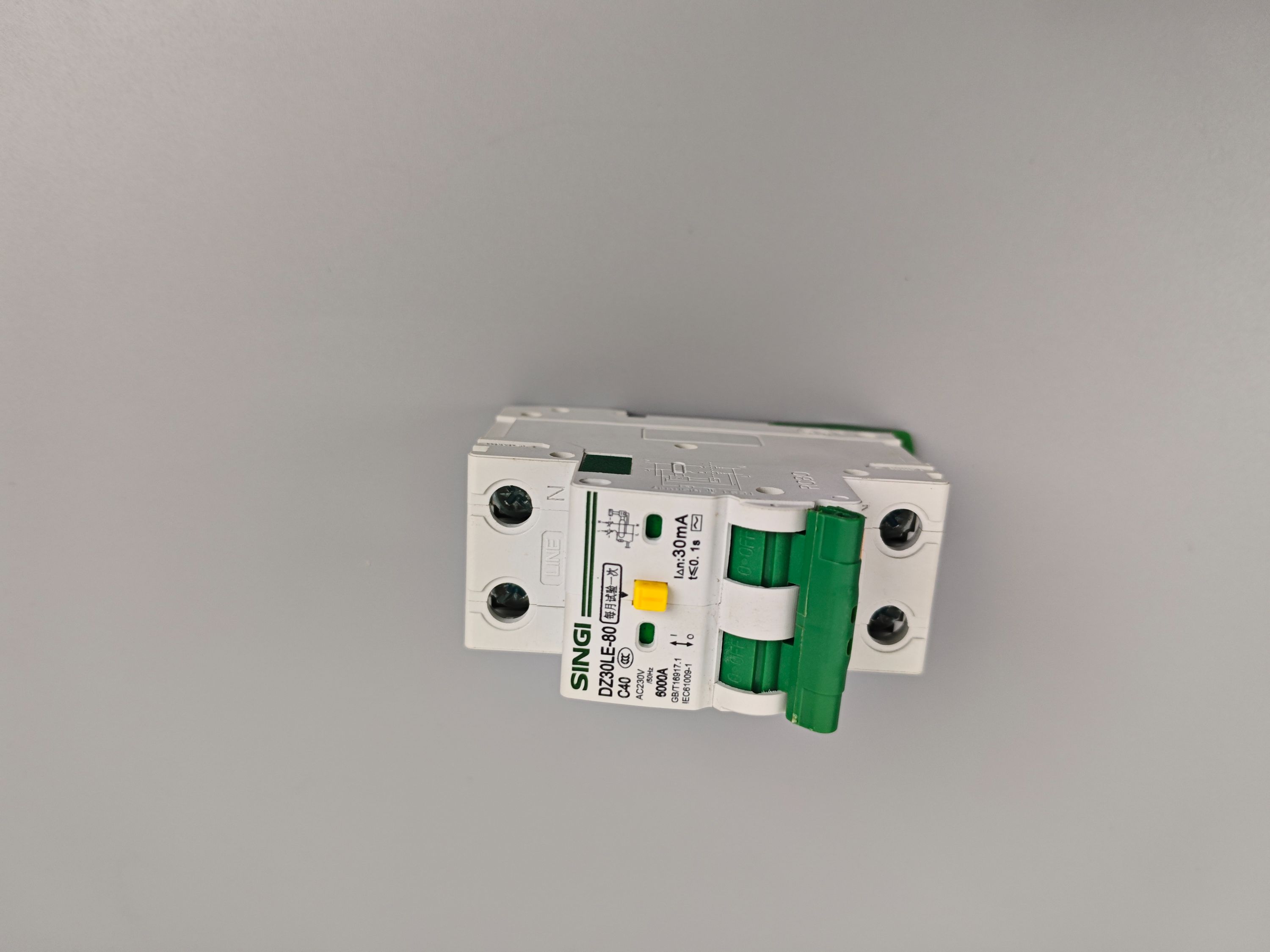
In today's rapidly evolving electrical landscape, smart circuit breakers are revolutionizing how we manage power by offering real-time monitoring capabilities. Unlike traditional models, these devices integrate advanced sensors and communication technologies to provide instant insights into current flow, voltage levels, and potential faults, enabling proactive maintenance and enhanced safety.
By leveraging IoT connectivity, these breakers can transmit data to user-friendly dashboards, allowing operators to detect anomalies before they escalate into major issues. This real-time feedback not only reduces downtime but also optimizes energy consumption, making it a game-changer for both residential and industrial applications seeking smarter, more responsive electrical systems.
The ability to remotely monitor and control these breakers adds another layer of convenience and efficiency, empowering users to make informed decisions on the fly, ultimately transforming circuit protection from a passive component into an active, intelligent asset in modern power management.
Energy Efficiency Through Intelligent Load Management
In today's energy-conscious world, managing loads intelligently isn't just about cutting costs—it's reshaping how we interact with power systems. This approach optimizes energy distribution in real-time, balancing demand across appliances and industrial machines to prevent waste. By anticipating usage patterns, it ensures that energy is allocated where it's needed most, enhancing efficiency without compromising performance.
What sets intelligent load management apart is its dynamic adaptability. Unlike static schedules, it responds instantly to fluctuations in power supply or demand, such as during peak hours or renewable energy surges. This flexibility allows for seamless integration of sources like solar or wind, reducing reliance on fossil fuels and fostering a more resilient energy grid. Users benefit from tailored insights that help make smarter, sustainable choices daily.
Ultimately, this strategy empowers both individuals and organizations to take control of their energy footprint. From smart homes adjusting thermostats based on occupancy to factories scheduling heavy machinery during off-peak times, it's a practical step toward environmental stewardship. By minimizing unnecessary consumption, it not only lowers utility bills but also contributes to broader climate goals, making efficient energy use an accessible and impactful priority.
Enhanced Protection with Multi-Function RCBO Devices
Modern electrical systems demand robust solutions to address diverse safety concerns, and multi-function RCBO (Residual Current Breaker with Overcurrent) devices have emerged as pivotal components in achieving this balance. Unlike traditional circuit breakers that focus on overcurrent scenarios, these innovative devices integrate protection against residual currents—commonly known as earth leakage—alongside short-circuit and overload shielding. By combining these functions into a single compact unit, they not only streamline installations but also provide a comprehensive safeguard for residential, commercial, and industrial environments.
The versatility of these devices is particularly evident in their adaptability to complex electrical setups. For instance, they can be tailored to detect various types of residual currents, such as AC, pulsed DC, or mixed-frequency types, ensuring compatibility with diverse equipment like variable-speed drives or renewable energy sources. This adaptability mitigates risks like electric shocks and fire hazards, offering peace of mind in applications ranging from home offices to large-scale manufacturing units.
Moreover, advanced features like push-button testing and fault indicators enhance usability, allowing for straightforward maintenance and quick diagnostics. With compliance to stringent standards such as IEC 61009, these RCBOs not only elevate safety but also contribute to energy efficiency and system longevity. Their integration into intelligent systems—like smart home networks—further demonstrates their role in evolving electrical infrastructures, making them indispensable for future-proofing installations against emerging challenges.
Integration with Building Automation Systems
When you think about integration with building automation systems, it's not just about connecting a few wires; it's about creating a seamless flow of data that transforms how we manage energy and comfort in spaces. Imagine a system that learns from occupancy patterns, adjusting lighting and HVAC on the fly, without anyone lifting a finger. This level of synergy can lead to significant cost savings and a reduced environmental footprint, making buildings smarter and more responsive to real-time needs.
By linking with BAS platforms, these integrated solutions can pull data from various sensors and devices, allowing for centralized control and deeper analytics. For instance, you might see real-time alerts for equipment malfunctions or automated reports on energy consumption trends. This proactive approach not only enhances operational efficiency but also extends the lifespan of building assets by predicting maintenance needs before they become costly issues.
Ultimately, the true value lies in the adaptability and scalability of such integrations. Whether it's a small office or a large industrial complex, businesses can tailor the system to evolve with their changing requirements, ensuring that technology keeps pace with innovation without requiring constant overhauls. This flexibility helps future-proof investments and drives continuous improvement in building performance.
Innovative Materials for Durability and Performance
In the quest for lasting reliability, cutting-edge materials now blend science with practical application. From self-healing polymers that mend micro-cracks to graphene composites offering unparalleled strength, these innovations redefine endurance. They not only withstand harsh environments but also adapt dynamically, ensuring products perform consistently over time without frequent replacements.
Beyond mere sturdiness, today's advanced materials excel in delivering peak performance under pressure. Think of aerogels for thermal insulation or shape-memory alloys that revert to original forms. These breakthroughs translate to smoother operations in everything from aerospace to everyday gadgets, enhancing efficiency while reducing maintenance demands, making durability a seamless part of user experience.
FAQ
Top RCBO Company focuses on innovations such as advanced arc fault detection, improved thermal sensitivity mechanisms, and integrated surge protection in their RCBOs, which prevent electrical fires and equipment damage by swiftly identifying and interrupting hazardous circuits.
By optimizing trip time and reducing energy wastage from faulty circuits, the innovations help lower operational costs and carbon footprints. Features like real-time energy monitoring and smart grid compatibility enable users to manage power consumption more effectively.
Smart technology is integrated through IoT connectivity and remote control capabilities, allowing for real-time alerts, predictive maintenance, and seamless integration with home or industrial automation systems to enhance safety and convenience.
Their unique combination of rugged durability, user-friendly design, and cutting-edge features like self-testing functions and eco-friendly materials sets them apart, offering reliable performance in diverse environments.
They tackle issues such as overloads, short circuits, and ground faults with high-precision sensors and rapid response mechanisms, ensuring protection for both people and property across various applications.
Yes, the company is researching AI-driven diagnostics, enhanced cybersecurity for smart devices, and sustainable manufacturing processes to further advance safety and efficiency in the evolving electrical landscape.
Conclusion
The innovations by top RCBO companies have significantly enhanced electrical safety and efficiency through advanced technologies. Advancements in arc fault detection technologies now allow for quicker identification of dangerous electrical arcs, preventing potential fires and improving system reliability. Smart circuit breakers enable real-time monitoring of electrical circuits, providing instant alerts for anomalies and reducing downtime. These devices integrate seamlessly with building automation systems, allowing for centralized control and automated responses to electrical issues. Additionally, the use of innovative materials has increased the durability and performance of RCBOs, ensuring they withstand harsh conditions and maintain efficiency over time.
Furthermore, energy efficiency is boosted through intelligent load management, which optimizes power distribution to reduce waste and lower operational costs. Enhanced protection from multi-function RCBO devices offers comprehensive safeguards against overcurrent, short circuits, and ground faults, minimizing electrical hazards. This integration not only improves safety but also supports sustainable practices by reducing energy consumption. Overall, these innovations collectively create smarter, safer, and more efficient electrical systems, demonstrating how RCBO technology is evolving to meet modern demands in residential and commercial settings.
Contact Us
Contact Person: Jack
Email: [email protected]
Tel/WhatsApp: (+86) 13757759651
Website: https://www.singi.com