
Top OEM Suppliers for Solar Panel Nut Bolts: A Buyer's Guide
2026-01-02
When it comes to building a reliable solar panel installation, every component counts—especially the nuts and bolts that hold the system together. But with so many suppliers in the market, how do you choose the right one? In this buyer's guide, we dive into the world of top OEM suppliers for solar panel fasteners, uncovering what makes them stand out and why quality matters more than ever. As a leader in solar solutions, Topfence understands the importance of durable hardware in ensuring long-term performance. Whether you're a contractor, installer, or DIY enthusiast, this guide will help you navigate the options and make informed decisions. Get ready to explore the key players and insider tips that could save you time, money, and headaches down the line!
Essential Nut Bolt Specifications for Solar Panel Longevity
Precisely threaded and adequately tensioned nuts and bolts play a pivotal role in maintaining the structural integrity of solar panel installations, particularly under varying environmental stresses. To prevent premature wear from exposure to elements like moisture, salts, and UV radiation, opting for corrosion-resistant materials such as stainless steel (e.g., 304 or 316 grades) or hot-dip galvanized steel is crucial. Properly specified fasteners ensure that mounting systems remain secure over decades, reducing the risk of panel misalignment, damage, or costly repairs.
Beyond material choice, factors like bolt diameter, thread pitch, and torque specifications must align with the specific load requirements of the installation. For instance, in high-wind zones or seismic-prone areas, using larger-diameter bolts with higher tensile strength can enhance stability and prevent loosening over time. Consulting manufacturer guidelines and local building codes helps tailor specifications to unique climatic and structural needs, ensuring long-term reliability without over-engineering.
Regular inspections and maintenance, including periodic torque checks, are essential to address potential issues like thermal expansion and contraction, which can lead to fastener fatigue. By integrating these specifications into design and upkeep, installers can significantly extend the service life of solar arrays, optimizing energy output and safeguarding investments against common failure points.
Comparing Top Manufacturers in Durability and Pricing
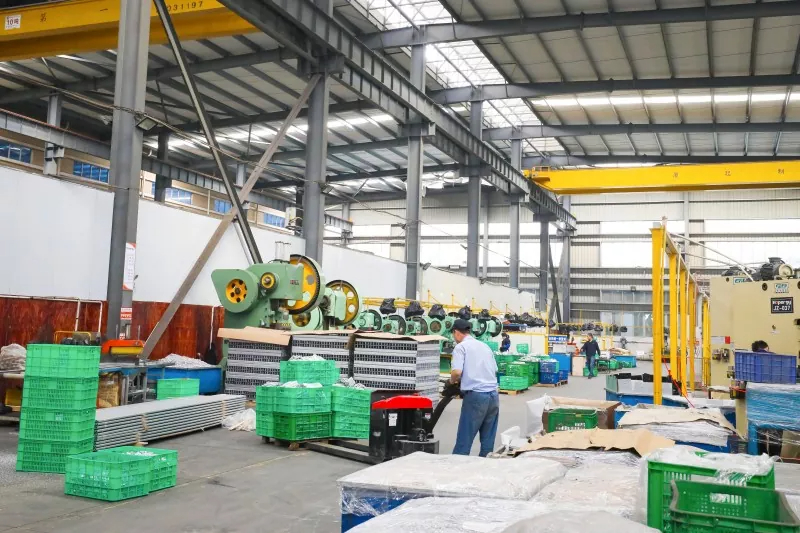
When it comes to choosing among the leading manufacturers in the industry, balancing durability and pricing often feels like walking a tightrope. Some brands have built their reputations on rugged, long-lasting products that can withstand years of heavy use, but these top-tier options frequently come with premium price tags that might not fit every budget. On the other hand, there are manufacturers that offer more affordable solutions, yet their products might not hold up as well under demanding conditions, leading to potential replacements or repairs down the line. To make an informed decision, it's essential to dig deeper into how each top player measures up in these critical areas, rather than just relying on general market buzz.
Diving into specific comparisons, for instance, Brand A is renowned for using high-grade materials and rigorous testing protocols that result in exceptional durability, often backed by lengthy warranties that provide peace of mind. However, this reliability typically translates to higher upfront costs, making it a preferred choice for professional settings where failure isn't an option. In contrast, Brand B has carved out a niche by offering competitively priced alternatives that deliver solid performance for everyday use, though they might show wear sooner or have shorter lifespans in extreme environments. Meanwhile, Brand C strikes a middle ground with innovative designs that enhance resilience without breaking the bank, appealing to budget-conscious consumers who still value quality.
Ultimately, the best manufacturer for you hinges on your unique priorities—whether you're willing to invest more for long-term durability or opt for a cost-effective model that meets immediate needs. By examining real-world user reviews, independent test results, and warranty details, you can uncover nuanced insights beyond surface-level specs. This hands-on approach helps cut through marketing noise, ensuring your choice aligns with both your financial constraints and performance expectations, rather than settling for a one-size-fits-all solution.
Custom Fastener Solutions for Unique Installation Challenges
When you're working on a project that defies the norm, standard fasteners simply won't cut it. Custom fastener solutions step in to tackle those one-of-a-kind installation hurdles, whether it's fitting into an awkward space, dealing with extreme temperatures, or ensuring long-term reliability in a dynamic environment. Designers and engineers can collaborate to craft fasteners that not only hold things together but also enhance the overall functionality and aesthetics of the assembly.
Imagine needing to secure components in a confined area where traditional bolts and nuts can't be accessed. Custom-designed fasteners might feature innovative threading, unique head styles, or even magnetic properties to simplify installation. These tailored options can reduce assembly time, minimize errors, and provide a more robust connection that adapts specifically to the material properties and load requirements of your application.
Beyond just solving immediate problems, investing in custom fasteners often pays off in the long run by improving durability and reducing maintenance needs. For instance, if corrosion is a concern in marine or industrial settings, materials like stainless steel or specialized coatings can be selected to extend lifespan. Ultimately, these bespoke solutions empower teams to push boundaries in design, ensuring that even the most challenging installations are executed with precision and confidence.
Corrosion Resistance: Materials That Stand the Test of Time
When it comes to longevity, few qualities matter more than corrosion resistance. It's not just about preventing rust; it's about ensuring structures, tools, and equipment can endure harsh environments without degradation. From coastal bridges exposed to salty air to pipelines buried underground, materials that resist corrosion save billions in maintenance and replacement costs, ultimately protecting investments and enhancing safety. Industries like marine, aerospace, and construction rely heavily on these materials to maintain functionality over decades, proving that true durability is built on this foundational trait.
Take metals like stainless steel and aluminum alloys, for instance. Their resistance isn't accidental—it stems from protective oxide layers that form naturally, shielding the underlying material from destructive elements. But it's not just metals; advanced composites and coatings are pushing the boundaries further, offering tailored solutions for specific challenges. For example, zinc-rich primers and cathodic protection systems are used in infrastructure to combat corrosion in ways that go beyond traditional materials, blending innovation with practicality. This adaptability makes corrosion-resistant options versatile across various applications, from consumer electronics to industrial machinery.
In the end, choosing materials with superior corrosion resistance is a strategic move toward sustainability. By reducing waste and extending lifespans, these materials contribute to greener practices and cost-efficiency. It's a focus on endurance that pays off not just in immediate performance but in long-term reliability, ensuring that what's built today can withstand the tests of time and environment, making it a wise choice for forward-thinking projects.
Navigating Supply Chain Dynamics for Reliable Orders
In an increasingly volatile global market, managing supply chain dynamics has become a critical factor for ensuring consistent and dependable order fulfillment. Companies must proactively adapt to disruptions, from raw material shortages to transportation bottlenecks, by implementing agile strategies that prioritize visibility and resilience. This involves not only monitoring real-time data but also building strong relationships with suppliers to collaboratively navigate challenges and maintain steady operations.
One effective approach is to diversify sourcing options and establish flexible logistics networks, which can buffer against unexpected changes and reduce reliance on single points of failure. By leveraging advanced tools like predictive analytics, businesses can forecast demand shifts and adjust inventory levels accordingly, minimizing delays and enhancing customer satisfaction. This proactive stance transforms supply chains from rigid structures into dynamic systems capable of weathering uncertainties.
Ultimately, mastering these dynamics empowers organizations to deliver reliable orders even in turbulent times, fostering trust and long-term loyalty among clients. It's about turning potential vulnerabilities into strengths through continuous innovation and adaptive planning.
Expert Tips for Selecting Bolts to Maximize Panel Efficiency
Choosing the right bolts for panel applications isn't just about strength—it's a strategic decision that directly impacts installation speed and long-term durability. Start by assessing the panel material, such as aluminum or composite, and match it with compatible bolts like stainless steel or galvanized options to prevent corrosion and ensure a snug fit. Consider factors like thread type and length; fine threads offer better grip in thin panels, while longer bolts provide greater stability in layered assemblies. This careful selection minimizes waste and reduces the risk of panel warping or loosening over time, keeping your projects efficient from the ground up.
Beyond material compatibility, bolt head design plays a crucial role in maximizing efficiency. Opt for low-profile or countersunk heads to create a flush surface, which enhances aerodynamic performance in panels used in structures like solar arrays or vehicles. Torque specifications are another key tip: using a calibrated wrench to apply the correct torque prevents over-tightening that can damage panels or under-tightening that leads to vibrations. Integrating these practices into your workflow not only speeds up assembly but also extends the panel's lifespan, making it a smart investment for any project.
In high-stress environments, such as industrial settings or outdoor installations, specialized bolts like tension control bolts or those with locking features can be game-changers. These bolts maintain consistent clamping force, reducing the need for frequent maintenance checks and ensuring panels stay securely fastened despite weather changes or operational loads. Pairing this with a regular inspection schedule allows you to catch potential issues early, boosting overall system reliability. By tailoring bolt choices to specific conditions, you'll achieve a seamless, efficient panel setup that stands out for its precision and resilience.
FAQ
When selecting top OEM suppliers, consider their manufacturing standards, material quality (e.g., corrosion-resistant metals), certification compliance (like ISO or industry norms), delivery reliability, and customization options to ensure durability in solar installations.
Leading OEMs invest in high-grade materials such as stainless steel or aluminum alloys, apply advanced coatings for weather resistance, conduct rigorous testing for load-bearing and environmental stress, and adhere to strict quality control processes to enhance longevity.
Companies like Fastenal are known for their wide range of industrial fasteners and reliable supply chains, while Böllhoff offers innovative solutions with precision engineering. Local suppliers in regions with high solar adoption may also provide cost-effective, tailored options.
Challenges include inconsistent quality, long lead times, and high costs. Mitigate by vetting suppliers through reviews and samples, negotiating bulk discounts, and maintaining open communication for timely updates and problem-solving.
OEMs typically undergo certifications like ISO 9001 for quality management. Testing involves mechanical assessments (e.g., tensile strength, torque resistance) and environmental simulations (e.g., salt spray tests) to verify performance under harsh conditions.
Trends include a shift towards sustainable materials, automation in production, and increased customization. Buyers can stay informed by attending industry trade shows, subscribing to trade publications, and engaging with supplier networks for updates.
Conclusion
When selecting top OEM suppliers for solar panel nut bolts, buyers must carefully evaluate essential specifications that directly impact longevity and performance. This includes precise thread dimensions, tensile strength ratings, and material compositions, with particular emphasis on corrosion-resistant alloys like stainless steel and aluminum that withstand environmental stresses over decades. Understanding these technical requirements forms the foundation for comparing manufacturers on durability versus pricing, where premium suppliers often justify higher costs through extended warranties and proven field performance data rather than just initial price points.
Beyond standard offerings, leading OEMs differentiate themselves by providing custom fastener solutions for unique installation challenges, such as non-standard mounting structures or extreme weather conditions. Smart buyers navigate supply chain dynamics by establishing direct relationships with manufacturers who maintain consistent inventory and transparent lead times, while expert selection tips focus on how proper bolt choices—from torque specifications to thermal expansion compatibility—can maximize overall panel efficiency by minimizing micro-movements and energy losses. This holistic approach transforms fasteners from mere components into critical elements of solar system reliability.
Contact Us
Contact Person: Nancy
Email: [email protected]
Tel/WhatsApp: +86-13365923720
Website: https://www.topfencesolar.com/