
Top 10 Tissue Folding Machines That Maximize Production Efficiency
2026-10-03
Efficiency isn't just a buzzword in tissue production—it's the difference between profit and downtime. The right folding machine can quietly transform your output, but with so many options, where do you start? We've cut through the noise to bring you ten machines that genuinely deliver, and DAXIN has earned its place on this list through consistent, measurable performance. If you're tired of overpromising specs and underdelivering hardware, this roundup will show you what actually works on the factory floor.
Why Servo-Driven Folders Keep Tension Steady at High Speeds
The tension control problem is not new, but at high speeds it becomes unforgiving. Traditional mechanical folders rely on springs, cams, and friction adjustments that are set once and then drift as the machine warms up or the paper stock changes. Servo-driven folders replace those fixed assumptions with continuous feedback. Each axis measures its own position and torque many times per second, then adjusts immediately. This closed-loop behavior means the paper never gets yanked suddenly or allowed to go slack, even when the line speed jumps from 200 to 400 meters per minute.
What often gets overlooked is how servo systems handle acceleration and deceleration ramps. A mechanical folder may hold tension fine at a steady cruise, but the moment the drive tries to speed up, the inertia of the folding rollers causes momentary lag or overshoot. Servo motors, by contrast, are commanded with precise velocity profiles. The drive knows exactly how fast each section should be moving at every millisecond, and the motor follows that curve within a fraction of a percent. That removes the small wrinkles, dog-ears, and web breaks that tend to appear right at speed changes.
Another reason servo-driven folders keep tension steady is their ability to compensate for material variations on the fly. A splice, a slightly thicker splice tape, a roll that isn't perfectly round, or even changes in ambient humidity can all alter how the web stretches. The servo controller sees the tension sensor reading dip or spike and corrects for it within a few milliseconds, often before the operator would even notice on a gauge. The result is a smoother, more consistent fold at high speeds, with less rejected product and far fewer emergency stops.
Cut-to-Fold Timing That Eliminates Sheet Misalignment
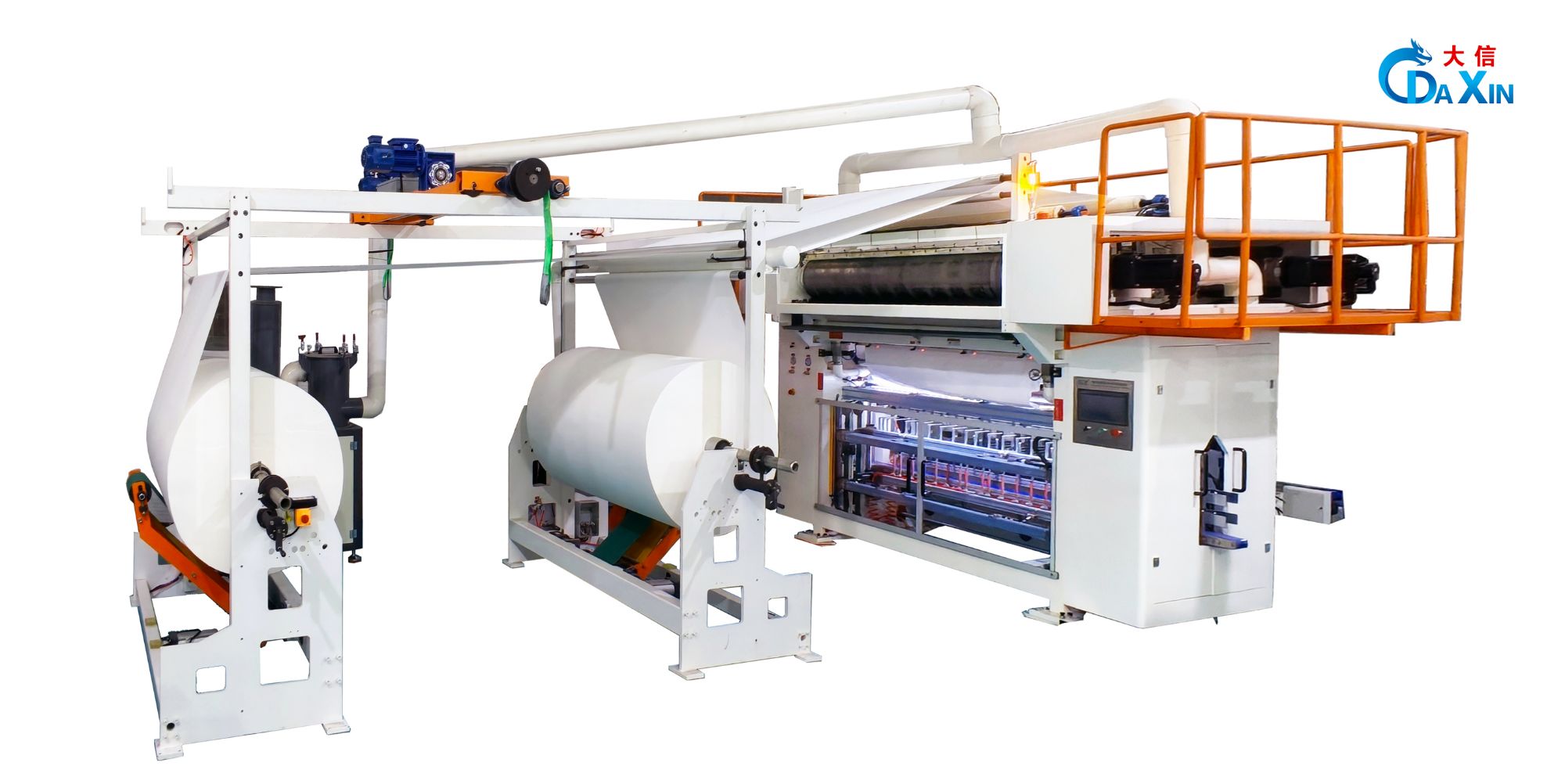
Sheet misalignment almost always traces back to a timing gap between the rotary cutter and the folding rollers. When the cut is released even a few milliseconds early or late, the sheet enters the fold plates at a slight skew. On short runs you might get away with it, but at higher speeds the drift compounds. The fix starts with locking the mechanical drive ratio so the knife and fold rollers share a single timing reference, not two independent motors hunting for sync.
A practical way to fine-tune this without guesswork is to run a test sheet with a printed registration mark and watch how it lands on the fold saddle. Advance or retard the cutter's phase in small increments while the line is running, and compare the folded edge to a static reference. Some operators prefer to adjust the timing belt tension first, since belt stretch changes the effective phase angle more than most control settings do. Keep a log of the phase offset for each stock weight; lightweight sheets often need a slightly earlier cut to settle before folding.
Once the timing is dialed in, you will notice fewer jams at the right-angle gate and cleaner stack alignment on the delivery table. The improvement is not just visual—it reduces the need for manual jogging before binding. If a new operator takes over the line, having the phase offset written on the folder's control panel saves a half-hour of trial and error.
Smart Air Pressure Control Matches Tissue Thickness
On a converting line, tissue caliper can shift within a single roll due to fiber distribution and moisture. The air pressure regulator reads these changes through a thickness sensor placed just before the nip. It feeds the data to a proportional valve that trims cylinder pressure in milliseconds, so the embossing or laminating gap stays constant without operator intervention.
Fixed pneumatic settings often crush thin spots or leave thick areas under-bonded. This adaptive loop compares the measured profile against a target curve and adjusts the force per linear inch accordingly. As a result, the sheet keeps its loft while glue or ply bonding remains consistent across the full width.
The same control also reduces rejects during grade changes. When a lighter or heavier basis weight enters the machine, the system learns the new thickness signature after a few rotations and shifts the pressure window. That keeps the converting process stable even when running multiple tissue grades back to back.
Quick-Change Plates That Trim Setup Downtime
Every minute a press sits idle during a changeover chips away at your bottom line. Quick-change plates attack that waste head-on, letting operators swap tooling in a fraction of the time traditional setups demand. Instead of wrestling with bolts, pins, and alignment jigs, a single operator can slide out the old plate, snap in the new one, and be back in production before the next job ticket finishes printing.
The real advantage isn't just speed—it's repeatability. Because each plate is pre-mounted and pre-aligned off-line, you eliminate the trial-and-error adjustments that eat up shifts and produce scrap. A well-designed quick-change system uses hardened locating pins and bushings, so every changeover lands in the same position, run after run. That consistency means less downtime, fewer rejected parts, and far less frustration on the floor.
For shops running short batches or frequent color changes, the payback is immediate. One injection molder cut a 45-minute mold swap down to under four minutes by retrofitting existing tools with quick-change plates. The cost of the plates was recovered in the first month through reclaimed production hours alone.
Closed-Loop Sensors That Prevent Continuous Jams
A single misfed sheet rarely causes chaos, but without a feedback loop the same trigger can fire again and again, piling one jam on top of another. Closed-loop sensors read the actual position and timing of each sheet as it travels through the paper path, comparing that data against the expected profile. The moment a sheet drifts outside the accepted window, the system adjusts roller speed or diverts the paper before it reaches a pinch point.
This approach works because the sensor doesn't just flag an error; it continuously feeds measurements back into the motor control. If a sheet slows down near the registration area, the controller can briefly increase torque to pull it back on schedule. When moisture or unusual paper stock changes friction levels, the loop compensates without operator intervention. The result is fewer hard stops and far less time clearing repeated jams from the same section.
Energy-Saving Vacuum Systems Without Losing Grip
On a busy packaging line, the old vacuum pump ran flat out from shift start to shift end—even when no box was near a suction cup. Swapping to a demand-driven system with a variable-speed pump changes that. It ramps down between picks but holds a small reserve in the vacuum tank, so the next grip still snaps on with full force.
The real energy leaks are rarely the pump itself. Worn cups, cracked hoses, and loose fittings force the system to pull extra air just to maintain the same suction. Adding flow sensors at each robot cell catches these losses early, letting maintenance swap a cheap cup before it becomes a wasted-kilowatt problem. Zoned valves also help: only the arms actively picking get vacuum, while idle stations stay sealed.
Retrofits in automotive and food handling regularly cut pump energy by half without a single dropped part. The trick is tuning the target vacuum to what the product actually needs—glass jars need less than heavy metal brackets—and letting the pump idle below that threshold only when the line pauses. That balance keeps grip reliability identical while the power meter drops.
FAQ
Consistent web tension control and quick-change folding plates make the biggest difference. Machines with closed-loop registration can hold fold accuracy within a fraction of a millimeter even at speeds above 800 cuts per minute, while average models start drifting once the parent roll diameter drops.
Speed looks impressive on a spec sheet, but flexibility usually pays off faster. If you run household towels, napkins, and facial tissue on the same line, look for servo-driven folders that let operators switch fold types and sheet counts in under ten minutes without swapping mechanical cams.
Automatic splice detection, misfeed rejection, and recipe-based setup memory are the ones that show up on the floor. Instead of a technician babysitting adjustments, the folder can flag a bad ply, kick it out, and reset the fold geometry from a saved job file, cutting startup waste by a noticeable margin.
The best ones use independent tension zones for each unwind and a vacuum fold roll that holds every ply in registration through the folding nip. Adding a slight overfeed on the outer plies also compensates for the longer path around the fold former, so the finished stack stays square.
Weekly checks on fold roll clearance, perforation blade sharpness, and belt tension do more than a yearly overhaul. Operators who log fold length deviation once per shift can catch bearing wear or cam follower play before it turns into a centimeter of drift and a stack of rejected product.
That depends on the frame and drive system. If the main shaft and fold rolls are still straight, adding a modern servo registration package and a touchscreen control retrofit can recover 80% of the efficiency of a new machine for about a third of the cost. Bent frames or worn gearboxes usually tip the balance toward replacement.
Most lines see payback in 10 to 18 months when the new folder raises output by 20% or more and cuts waste below 1.5%. The fastest returns come from reducing changeover time and eliminating jams that previously stopped the line for 20 minutes several times a shift.
Conclusion
In high-volume tissue converting, folding stations often determine whether a line hits its throughput targets or drifts into costly stoppages. The most effective machines in this category share a common trait: they maintain exact material control from unwind to final fold without demanding constant operator intervention. Servo-driven folders, for instance, hold web tension steady even as speeds climb, preventing the flutter and skew that typically cause misfolds. Equally important is cut-to-fold timing. When the knife and folding plates are synchronized down to the millisecond, each sheet lands precisely where it belongs, eliminating the subtle misalignment that leads to jams or rejected packs. Smart air pressure control adds another layer of stability by adjusting the hold-down force to match the basis weight and caliper of the tissue. This means lightweight facial grades and heavier towel stock can run on the same line without manual valve changes.
Quick-change plate designs cut setup downtime dramatically. Instead of loosening dozens of bolts and re-timing cams, technicians swap pre-set folding plates and resume production within minutes. That flexibility is further supported by closed-loop sensor systems. Rather than waiting for a jam to stop the line, sensors monitor fold geometry, stack height, and sheet position in real time, triggering micro-corrections before a blockage forms. Finally, energy-saving vacuum systems keep a reliable grip on the sheet while drawing far less power than older constant-speed blowers. Variable demand controls match suction to line speed and tissue porosity, so high gripping force is available when needed but not wasted during slower runs. Together, these features separate top-tier folding machines from average ones, allowing converters to reach higher output with fewer interruptions and lower per-case energy costs.
Contact Us
Contact Person: Sam Xie
Email: [email protected]
Tel/WhatsApp: 86-18938538530
Website: https://www.daxin321.com/