
Top 10 Disconnector Switches: Key Features and Best Uses
2026-01-16
Discover the essential role of disconnector switches in modern electrical systems with our comprehensive guide to the top 10 options available today. Whether you're an industry professional, a contractor, or simply curious about electrical safety and efficiency, understanding these critical components can make a significant difference in your projects. At Lugao, we recognize that choosing the right disconnector switch isn't just about specifications—it's about reliability, durability, and seamless integration into complex setups. In this blog, we'll dive deep into the key features, best use cases, and practical insights that set each model apart, helping you navigate the market with confidence. From high-voltage applications to industrial automation, get ready to explore how these switches can enhance safety, optimize performance, and drive innovation in your electrical installations. Let's uncover what makes each disconnector switch stand out and why the right choice matters more than ever.
Critical Safety Features of Modern Disconnector Switches
When it comes to modern disconnector switches, safety isn't an afterthought—it's built into the very core of their design. These devices integrate advanced mechanical interlocks that physically prevent accidental operation, such as closing under load. This ensures that maintenance personnel can work on downstream circuits without risking arc flash incidents or equipment damage.
Beyond mechanical safeguards, many of today's disconnectors feature sophisticated electronic monitoring systems. These systems continuously track parameters like temperature, current, and contact wear, providing real-time alerts through integrated indicators or remote communication interfaces. This proactive approach helps predict failures before they occur, reducing downtime and enhancing overall system reliability.
Additionally, modern switches often incorporate enhanced insulation materials and arc-quenching technologies. These features minimize the risk of electrical faults spreading, while ergonomic designs with clear visual indicators ensure operators can quickly verify the switch's status, even in low-light conditions. Together, these elements create a robust safety framework that meets stringent industry standards while adapting to evolving electrical network demands.
How to Choose the Right Disconnector for Industrial Applications
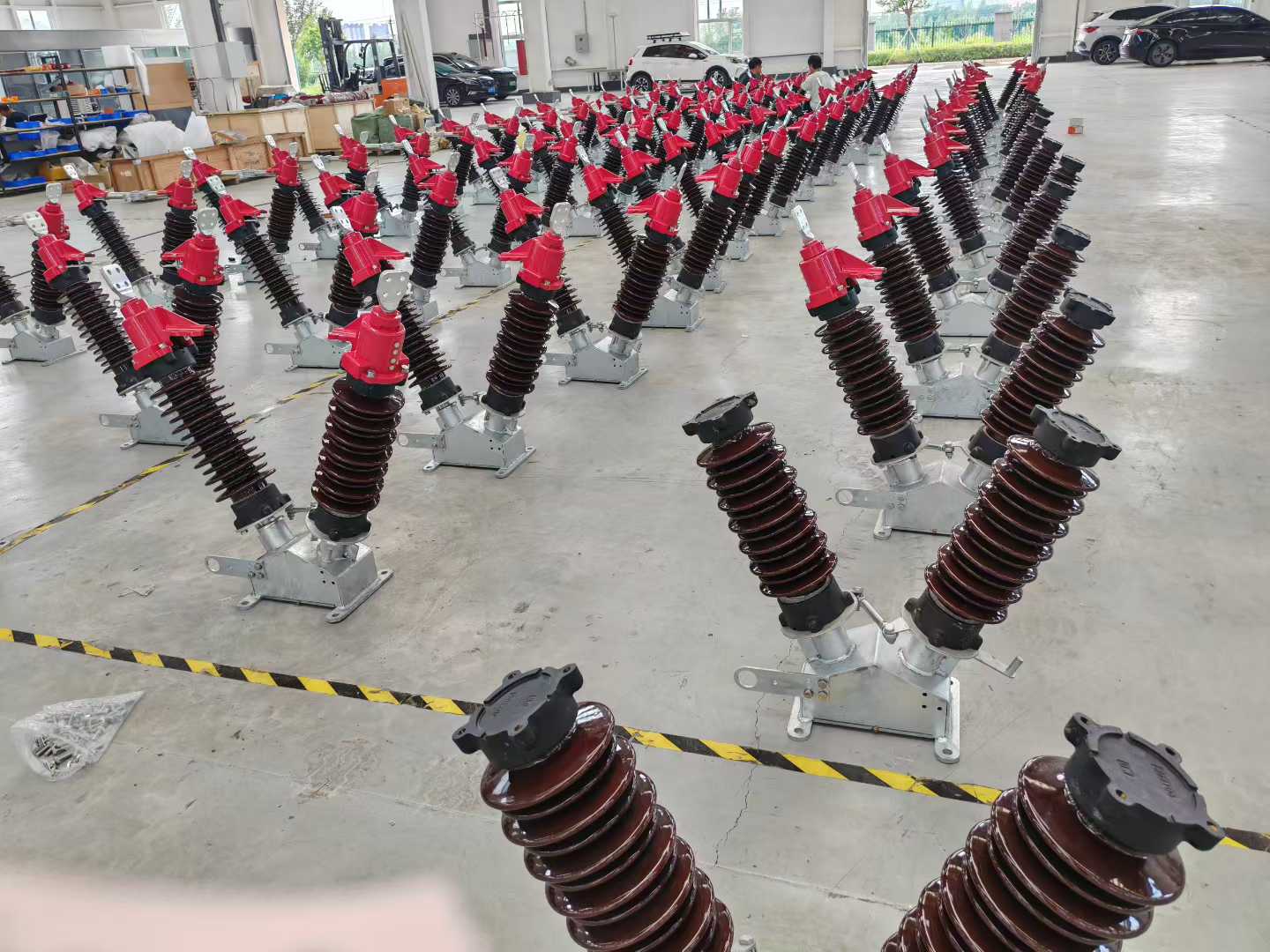
Selecting the ideal disconnector for industrial settings hinges on a few key factors that go far beyond basic specs. Start by assessing your specific application's electrical requirements: consider the voltage rating, current capacity, and the type of load (like motors or lighting) it will handle. Don't just settle for the standard options—look into environmental conditions too, such as exposure to dust, moisture, or extreme temperatures, which can dictate whether you need an IP-rated or explosion-proof model.
Many overlook the operational nuances, but the ease of use and safety features can make or break day-to-day efficiency. Opt for disconnect switches with clear visual indicators and ergonomic handles to prevent human error. Also, check if they comply with industry standards like IEC or UL, ensuring reliability and reducing downtime risks. For instance, in a facility with frequent maintenance, a disconnect with a lockout/tagout provision adds a crucial safety layer that generic models might lack.
Balancing cost with long-term performance is another vital aspect. While cheaper models might seem attractive, investing in a robust disconnector from a reputable brand often pays off through durability and lower maintenance needs. Seek out reviews or case studies from similar industrial setups to gauge real-world performance, avoiding common pitfalls like over-specifying or underestimating surge currents.
Innovations in Switch Design for Enhanced Durability
Switch durability has long been a challenge in electronic and mechanical systems, but recent advancements are pushing boundaries with materials and structural improvements. Instead of just reinforcing weak points, designers now integrate components like high-grade polymers and corrosion-resistant alloys from the outset, ensuring switches withstand millions of cycles without degradation. This approach not only extends lifespan but also reduces maintenance costs in demanding environments, from industrial machinery to consumer electronics.
Beyond materials, innovations in contact mechanisms are making switches more resilient to wear and environmental stress. For example, some modern switches employ self-cleaning contacts or sealed enclosures that guard against dust, moisture, and thermal fluctuations. By optimizing the design to prevent common failure modes, such as arcing or contact bounce, these switches maintain consistent performance over time, offering reliability that sets them apart in competitive markets.
Looking ahead, smart durability is emerging as a key trend, with switches incorporating sensors and diagnostics to monitor their own condition. This allows for predictive maintenance, alerting users to potential issues before they lead to breakdowns. By blending robust engineering with intelligent features, these innovations not only enhance durability but also adapt to evolving user needs, paving the way for more sustainable and efficient systems.
Key Differences Between Types of Disconnector Switches
Disconnector switches, often overlooked yet crucial in electrical systems, vary significantly based on design and function. For instance, some models feature rotary mechanisms, which allow for quick manual operation in low to medium voltage settings, while others employ sliding contacts, better suited for high-voltage applications where precision and durability are key. This distinction affects not only installation ease but also long-term maintenance needs, making it essential to match the switch type to the specific environment.
Another key difference lies in the isolation level provided. Double-break disconnectors, which create two gaps in the circuit, offer enhanced safety by minimizing the risk of accidental re-engagement, ideal for industrial facilities with strict safety protocols. In contrast, single-break types might be more cost-effective for simpler residential or commercial setups, though they require more careful handling during maintenance to avoid hazards.
Additionally, the materials and construction methods vary widely among disconnector switches. Some utilize advanced polymers to resist corrosion in humid or chemical-exposed areas, whereas traditional metal-based switches may suffice in controlled indoor environments. Understanding these nuances helps ensure reliable performance and compliance with local regulations, ultimately influencing system efficiency and safety outcomes.
Best Practices for Installing and Maintaining Disconnectors
When it comes to installing disconnectors, the foundation lies in meticulous site evaluation and adherence to manufacturer specifications. Before any physical work begins, verify that the location is free from environmental hazards like moisture or excessive heat, which could compromise the device's insulation and mechanical integrity. It's advisable to conduct a thorough inspection of the electrical system, ensuring compatibility with the disconnector's rating and that all connections are properly aligned. Proper grounding is non-negotiable; a secure ground connection not only enhances safety but also prevents potential arcing and equipment damage. During installation, use torque wrenches to tighten connections to the recommended settings, as over-tightening can stress components while under-tightening may lead to loose contacts, both of which can degrade performance over time.
Maintaining disconnectors involves a proactive approach to routine checks and cleaning. Schedule periodic visual inspections to spot early signs of wear, such as corrosion on contacts or cracks in the housing, which might indicate the need for replacement parts. Regularly test the disconnector's operational functionality by manually activating it to confirm smooth movement and proper engagement; any stiffness or unusual sounds could signal underlying issues like debris buildup or misalignment. Cleaning the contacts with a non-abrasive solvent and a soft cloth can remove oxidation and improve conductivity, but always ensure the unit is de-energized and isolated from the power source before any maintenance to avoid electrical hazards. Additionally, keep a log of maintenance activities to track performance trends and predict when more extensive servicing might be required.
To differentiate your disconnector installation and upkeep, consider tailoring practices to the specific application environment rather than relying on generic guidelines. For instance, in industrial settings with high vibration, implement extra measures like vibration-dampening mounts or more frequent inspections to prevent loosening of connections. Leverage advanced diagnostic tools, such as thermal imaging cameras, during maintenance to detect hotspots that aren't visible to the naked eye, enabling preemptive repairs before failures occur. Also, foster a culture of continuous training for personnel, emphasizing hands-on experience with different disconnector models to build expertise in spotting subtle anomalies that standard procedures might miss, ensuring long-term reliability and safety in a way that goes beyond basic compliance.
Real-World Uses Across Power Distribution and Manufacturing
In power distribution, advanced equipment such as smart grid relays and sensors are vital for balancing loads, preventing outages, and enhancing efficiency. For instance, utilities employ real-time data analytics to predict faults in transmission lines and automatically reroute power, directly resulting in reduced downtime and lower maintenance expenses. This practical application transforms theoretical concepts into tangible benefits for both providers and customers.
Manufacturing leverages similar technologies to optimize production lines and automate quality control. Take the example of a car factory using interconnected IoT devices—these sensors monitor vibrations and temperatures of machinery, alerting teams to potential issues before they escalate into costly failures. Such proactive maintenance not only boosts output and quality but also extends equipment lifespan, showcasing a direct return on investment that surpasses basic operational improvements.
Beyond these examples, the synergy between power and manufacturing is evident in energy-intensive sectors. A steel plant, for instance, integrates power management systems to adjust consumption during peak hours, slashing electricity bills while maintaining production. This integration highlights how cross-industry innovations can yield significant cost savings and sustainability gains, making these technologies indispensable in competitive markets.
FAQ
Key safety features include visible blade contacts for clear isolation, secure locking mechanisms to prevent accidental operation, and robust insulation to withstand voltage surges.
Disconnector switches are designed for mechanical isolation to de-energize circuits during maintenance, while circuit breakers automatically interrupt faults. They often complement each other for comprehensive protection.
Air-break disconnectors excel in outdoor high-voltage transmission lines, typically above 33kV, where their simple design and ability to handle large clearances make them reliable for isolation without arcing risks.
Regularly clean contacts to prevent corrosion, lubricate moving parts with dielectric grease, and conduct periodic insulation resistance tests, especially in humid or dusty settings.
Load-breaking disconnectors can safely interrupt small inductive or capacitive currents, ideal for switching unloaded transformers or capacitor banks, reducing the need for separate switching devices.
Consider factors like voltage rating matching solar or wind output, corrosion-resistant materials for outdoor use, and compliance with standards like IEC 60947-3 for grid integration safety.
They provide a visible break in circuits as required by standards such as NFPA 70E and OSHA, enabling safe lockout/tagout procedures to protect workers during repairs.
Conclusion
In the realm of electrical systems, modern disconnector switches are pivotal for safety and efficiency, featuring critical innovations like arc-suppression mechanisms and visible break indicators that ensure reliable isolation during maintenance. These devices are designed with enhanced durability through materials like corrosion-resistant alloys and sealed enclosures, making them suitable for harsh industrial environments. Understanding key differences between types, such as fused vs. non-fused or load-break switches, helps in selecting the right model based on voltage ratings and application needs, from simple power distribution to complex manufacturing setups.
Choosing the appropriate disconnector involves assessing factors like load capacity, enclosure ratings, and compliance with safety standards, while best practices for installation and maintenance—including proper torque settings and regular inspections—extend operational lifespan. Real-world applications span across sectors like utilities and factories, where these switches facilitate safe power control during outages or equipment servicing. By integrating these features and uses, top disconnector switches offer versatile solutions that balance performance with safety, ensuring they stand out in competitive markets through tailored designs and practical reliability.
Contact Us
Contact Person: Doreen
Email: [email protected]
Tel/WhatsApp: 8618057712366
Website: https://www.liugaopower.com/