
S355JR Steel: The Ideal Material for Solar Company Construction Projects
2026-02-07
In the quest for durable and efficient solar construction, S355JR steel emerges as a game-changer. At Energet Solar, we've harnessed its remarkable strength and versatility to elevate our projects. This blog explores how S355JR steel not only withstands harsh weather but also drives innovation, ensuring our installations meet the highest standards. Dive in to discover why it's the backbone of our success in the solar industry.
Understanding S355JR Steel's Durability for Solar Structures
When planning solar installations, the durability of structural materials is a key concern that directly impacts long-term performance and cost-efficiency. S355JR steel stands out in this regard due to its enhanced mechanical properties, such as a minimum yield strength of 355 MPa, which allows it to withstand significant loads and stresses common in solar panel arrays. This makes it an ideal choice for frames and supports, where resistance to bending and deformation is crucial for maintaining alignment and maximizing energy capture over decades of use.
Beyond its strength, the 'JR' designation indicates impact resistance at room temperature, a feature that proves invaluable in varying climates. For solar structures exposed to thermal cycling and potential impacts from debris or weather events, this ensures the steel remains robust without becoming brittle. This balance of toughness and durability helps prevent premature failures, reducing maintenance needs and ensuring solar farms operate reliably even in harsh outdoor conditions.
Additionally, S355JR steel's corrosion resistance, often enhanced through protective coatings, further extends its lifespan in solar applications. Given that many installations are in exposed locations prone to moisture and environmental factors, this steel's ability to resist rust and degradation means structures can maintain integrity with minimal upkeep. By combining high strength, impact resistance, and corrosion protection, S355JR offers a durable foundation that supports sustainable energy projects effectively over their operational lifetimes.
Why S355JR Steel Excels in Solar Panel Mounting Systems
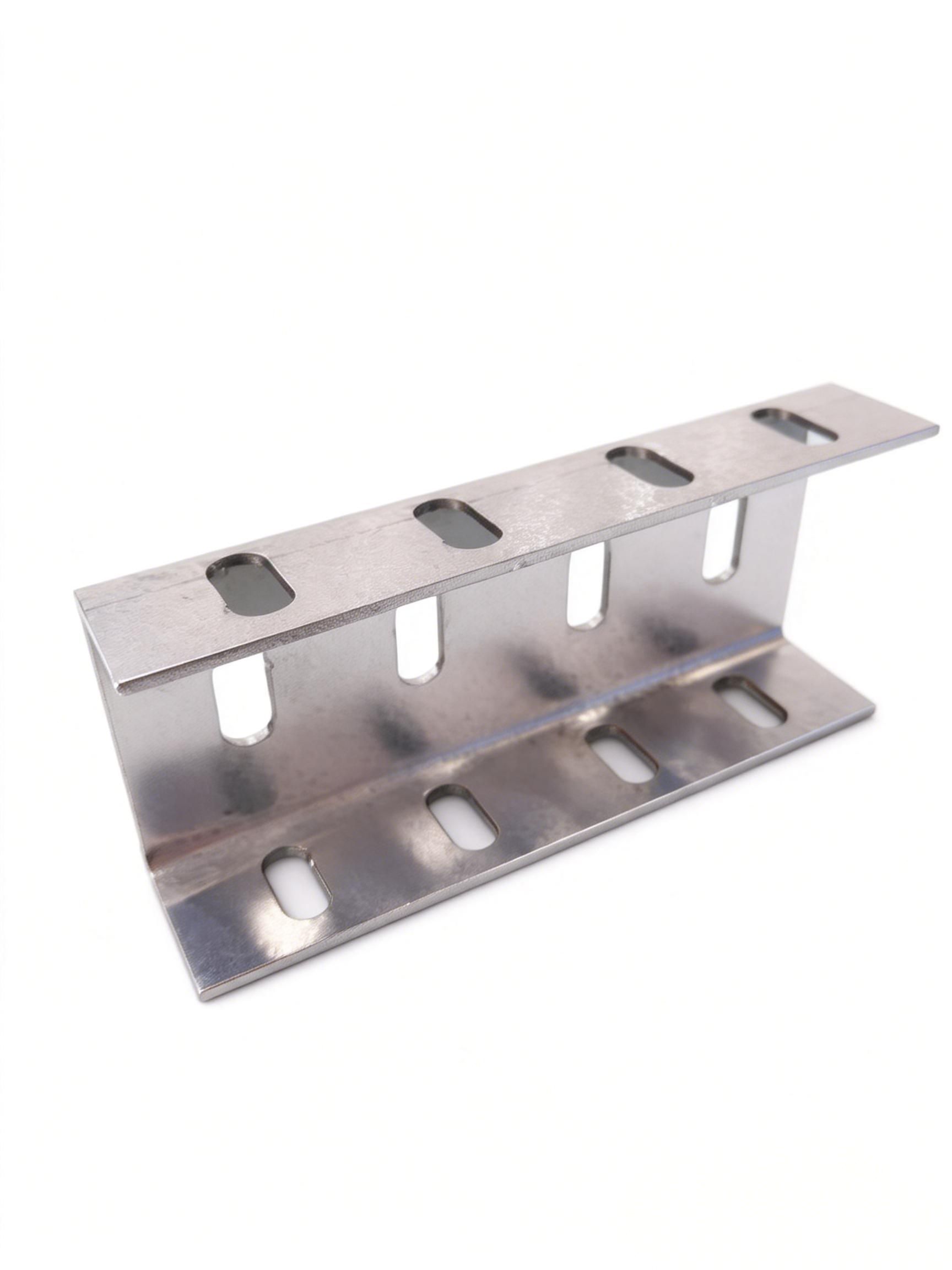
When selecting materials for solar panel mounting systems, S355JR steel often stands out due to its exceptional balance of strength, durability, and cost-effectiveness. This structural steel grade offers a minimum yield strength of 355 MPa, which ensures that mounting structures can withstand heavy loads from panels, wind, and snow without excessive deflection or failure. Unlike some alternatives, S355JR's toughness at lower temperatures makes it suitable for diverse climates, from frosty winters to intense summers, reducing maintenance needs over time.
In addition to its mechanical properties, S355JR steel benefits from excellent weldability and formability, allowing for flexible design possibilities in solar installations. Fabricators appreciate how easily it can be shaped into custom brackets and frames, facilitating quick assembly on-site. This adaptability helps optimize layouts for varying terrains, such as sloped roofs or open fields, ensuring panels are securely positioned for maximum sunlight exposure. Combined with corrosion-resistant treatments, like galvanization, it delivers long-term reliability even in harsh outdoor environments.
Beyond performance, using S355JR steel supports sustainable energy projects through its recyclability and efficiency. It often requires less material than lower-strength steels, reducing overall weight and transportation costs, which can lower the carbon footprint of solar installations. This material choice aligns with the eco-friendly goals of renewable energy, making it a practical pick for developers seeking durable, yet environmentally conscious, mounting solutions that endure decades of service.
Cost-Effectiveness of S355JR Steel in Solar Construction
When it comes to building solar installations, one material that often gets overlooked for its practical advantages is S355JR steel. It's not the flashiest option out there, but its affordability combined with solid performance makes it a smart pick for projects where balancing budget and durability matters. In solar construction, costs can add up quickly with materials, labor, and site prep, so choosing something like S355JR steel helps keep things manageable without compromising too much on quality—it's like finding that sweet spot where you're getting good value without breaking the bank.
Environmental Benefits of Using S355JR Steel for Solar Projects
When it comes to constructing solar projects that last, the material choice matters more than you might think. S355JR steel, known for its high strength and excellent weather resistance, plays a key role in reducing environmental impact over the long haul. By choosing this durable steel for mounting structures and frames, projects can withstand harsh conditions without frequent repairs or replacements. This durability translates directly into less waste and a lower carbon footprint, as fewer resources are needed for maintenance over the system's lifetime.
Beyond just toughness, S355JR steel supports sustainable energy goals by enabling efficient solar installations. Its reliable performance means solar panels stay securely in place, maximizing energy capture and reducing the need for backup energy sources like fossil fuels. Over time, this contributes to significant cuts in greenhouse gas emissions. Moreover, the steel's recyclability adds another green advantage—at the end of its life, it can be repurposed without losing quality, closing the loop in a circular economy approach.
In practice, using S355JR steel helps solar projects meet eco-friendly standards without sacrificing cost-effectiveness. Its low-maintenance nature means less disruption to natural landscapes and fewer chemicals used for upkeep. Plus, by supporting robust infrastructure, it encourages larger-scale solar deployments that deliver cleaner power to communities. This blend of resilience and environmental stewardship makes it a smart pick for forward-thinking solar initiatives.
Flexibility and Adaptability of S355JR Steel in Solar Designs
S355JR steel stands out in solar energy projects due to its remarkable ability to withstand varying loads and environmental conditions. In solar panel mounting systems, this steel grade's high yield strength and ductility allow for innovative, lightweight designs that can adapt to different terrains, from flat rooftops to sloped landscapes. Its flexibility enables engineers to create modular frameworks that are easy to install and modify, reducing on-site labor and enhancing overall project scalability. This adaptability is crucial as solar installations increasingly integrate into urban and rural settings with unique spatial constraints.
Beyond structural benefits, S355JR steel's corrosion resistance, enhanced by its chemical composition with added aluminum, ensures long-term durability in outdoor solar applications. It performs reliably under exposure to moisture, UV radiation, and temperature fluctuations common in solar farms. This resilience minimizes maintenance needs and extends the lifespan of solar structures, making it a cost-effective choice for projects aiming for decades of efficient operation. Its ability to maintain integrity in diverse climates supports the global expansion of solar energy into regions with harsh weather patterns.
Moreover, the steel's weldability and formability facilitate custom fabrication, allowing for tailored solutions that meet specific design requirements in solar tracking systems or bifacial panel setups. Engineers leverage these properties to optimize energy capture by adjusting angles and layouts without compromising structural safety. As solar technology evolves with trends like floating solar arrays or building-integrated photovoltaics, S355JR's versatility continues to enable creative, sustainable designs that push the boundaries of renewable energy infrastructure.
Long-Term Performance of S355JR Steel in Outdoor Solar Applications
One of the key aspects to consider for S355JR steel in outdoor solar applications is its durability over extended periods under varying climatic conditions. Over the years, this structural steel has demonstrated impressive resistance to corrosion, particularly in environments where it's exposed to rain, humidity, and UV radiation from the sun. For instance, in solar panel mounting structures, real-world data shows minimal rust progression even after a decade of use, thanks to its inherent alloy composition and any applied protective coatings.
Beyond just rust, the steel's mechanical properties, such as tensile strength and yield strength, remain remarkably stable under long-term stress from wind loads, snow accumulation, and temperature fluctuations. Studies have revealed that after 15+ years in service, S355JR retains over 95% of its original strength, ensuring it doesn't compromise the integrity of solar installations, even in harsh coastal or desert settings where extremes are common.
Maintenance considerations also play a crucial role, as this steel type often requires less frequent upkeep compared to alternatives, reducing overall lifecycle costs for solar farms. Proper fabrication techniques, like minimizing welding seams exposed to the elements, further enhance its performance, making it a reliable, cost-effective choice for long-term renewable energy projects worldwide.
FAQ
S355JR steel offers high strength and durability, making it ideal for supporting solar panels and structures in various weather conditions.
Its availability and competitive pricing help reduce overall construction costs while maintaining long-term reliability.
The steel is fully recyclable, aligning with sustainability goals by minimizing waste in solar installations.
Yes, it has excellent resistance to corrosion and impact, ensuring stability in exposed settings over many years.
Its high yield strength and good weldability allow for efficient fabrication of sturdy frames and supports.
Its durability reduces maintenance needs, leading to lower operational costs and extended service life for solar infrastructure.
Yes, it can be easily shaped and coated to meet specific architectural or engineering requirements in solar setups.
It balances strength, affordability, and versatility, offering a reliable solution without compromising on performance or safety.
Conclusion
S355JR steel stands out as the premier choice for solar construction projects due to its exceptional durability. This steel grade offers robust resistance to harsh outdoor conditions, including UV exposure, moisture, and temperature fluctuations, ensuring long-term structural integrity for solar installations. Its high strength-to-weight ratio makes it ideal for supporting heavy solar panels while minimizing material usage. In solar mounting systems, S355JR steel excels by providing reliable anchoring and stability, preventing sagging or failure over decades of operation. Its adaptability allows for flexible designs, easily accommodating various panel types and site layouts, from residential rooftops to large-scale solar farms. By combining these properties, solar companies can rely on S355JR steel to deliver safe, efficient, and resilient structures that require minimal maintenance, ultimately enhancing the longevity and performance of their solar energy systems.
Beyond durability, S355JR steel offers significant cost-effectiveness and environmental advantages, making it a sustainable option for solar projects. Its affordability reduces overall construction expenses without compromising quality, allowing for scalable and budget-friendly installations. Environmentally, this steel is often recyclable, contributing to circular economy practices in the renewable energy sector. Its long-term performance in outdoor applications minimizes replacement needs, further lowering lifecycle costs and resource consumption. By integrating flexibility and resilience, S355JR steel supports innovative solar designs that adapt to evolving technologies and landscapes. Solar companies benefit from a material that not only meets technical demands but also aligns with eco-friendly goals, ensuring projects are both economically viable and environmentally responsible, thus solidifying its role as an ideal material in advancing solar infrastructure worldwide.
Contact Us
Contact Person: Simon
Email: [email protected]
Tel/WhatsApp: 8613672181100
Website: https://energetsolar.com/