
Printed Loop Pile Carpet: Why It Earns Word-of-Mouth Recommendations
2026-11-02
When you step onto a printed loop pile carpet, you immediately notice the difference—its texture feels both resilient and surprisingly soft underfoot, and the patterns hold a crispness that cheaper alternatives can’t match. But why do so many homeowners and designers go out of their way to recommend this specific flooring choice? It’s not just about looks; it’s about durability, low maintenance, and the way it quietly elevates a room without shouting for attention. At Senseco, we’ve watched this carpet style earn a loyal following through word of mouth, and the reasons are worth exploring—especially if you’re tired of replacing worn-out floors every few years.
The Barefoot Difference You Notice Right Away
The first thing that grabs you is the ground itself. With thin, flexible soles, every texture comes through—cool tile, rough pavement, the give of grass. Your feet wake up, and you start noticing small shifts in balance you'd normally miss.
Then there's the room your toes finally get. No tapered toe box squeezing them together means they can spread and grip the way they were meant to. That alone changes how you walk, making each step feel less like falling forward and more like pressing into the earth.
Give it a few days and your body starts to recalibrate. Calves and arches work a little harder, posture straightens without forcing it, and the usual heel-strike jolt softens into a quieter, more grounded stride.
Patterns with Depth, Not Just Print
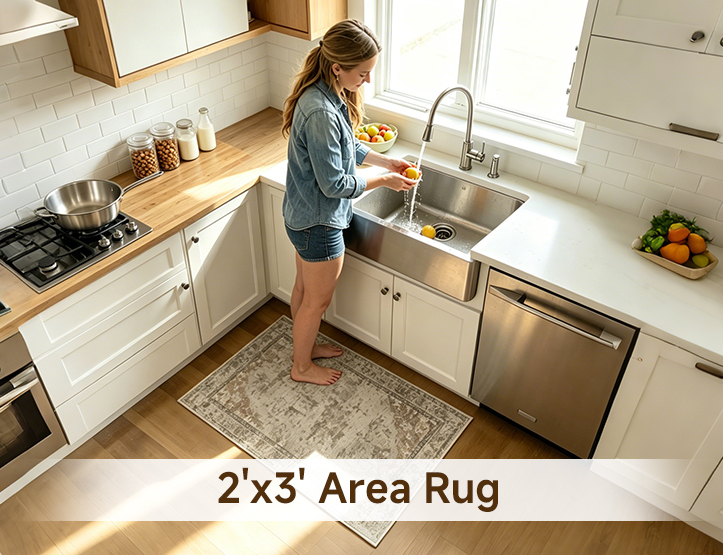
A flat motif can decorate a surface, but a pattern with depth invites the eye to wander. Think of a woven textile where the repeat hides tiny variations—a shifted thread, a subtle color bleed—that reward close looking. The design doesn't shout; it accumulates meaning as you notice how each iteration plays with the last.
Depth often comes from layering references. A geometric grid might echo an architectural detail from memory, while the negative space hints at a landscape. These aren't obvious symbols, but quiet echoes that give the pattern a sense of accumulated time. When a motif is repeated with slight irregularities, it stops being wallpaper and starts behaving like a story retold in different voices.
The best patterns hold tension between order and drift. You can sense the underlying system, yet something keeps slipping—a hand-drawn wobble, an unexpected color inversion. That friction makes the pattern feel lived-in, as if it has absorbed the touch of its maker and the curiosity of every viewer who stops to trace its logic.
Loop Pile's Quiet Advantage in Busy Homes
Loop pile carpets absorb sound in ways cut pile never will. The tiny, uncut loops create a dense surface that softens footsteps, muffles dropped toys, and calms the constant shuffle of family life. In a home where the dishwasher runs, the TV blares, and kids race down the hall, that quiet underfoot feels almost like a secret weapon.
Unlike plush cut pile, which tends to reflect noise back into the room, loop pile traps and scatters sound waves. This isn't just about decibels—it's about the quality of the hush. It turns the sharp clack of a pet's nails into a gentle tap, and the thud of a laundry basket into a dull thump. Busy households don't get many moments of peace; loop pile carves them out without anyone noticing why.
Durability plays a quiet role too. Because the loops are left intact, the fibers resist crushing and matting, which keeps the carpet dense and effective over years of foot traffic. A flattened carpet loses its acoustic edge, but loop pile holds its structure, meaning the quiet advantage doesn't fade after a few seasons. It's the practical choice for anyone who wants a calmer home without telling the kids to whisper.
Cleaning Truths That Don't Require a Manual
Most of us grew up believing that a clean home demands an arsenal of sprays, scrubs, and an instruction booklet thicker than a novel. But the real secrets don't hide in the fine print. They sit in the way you wipe a counter before the spill dries, or how you let a soapy sponge rest on the greasy stovetop for a minute before the first swipe. These truths feel less like rules and more like reflexes, learned from watching a parent hum while they worked, never once glancing at a label.
Think about the last time you deep-cleaned a bathroom. You probably didn't read that the vinegar solution needs to sit for exactly seven minutes. You just knew, from the faint mineral smell and the cloudy streaks, that another pass with a dry cloth would make the mirror disappear. That's the quiet magic of cleaning: the knowledge lives in your hands, not in a chart. The same way you know that a damp microfiber lifts dust better on a humid day, or that salt absorbs a fresh red wine stain faster than any bottled remedy.
So ditch the idea that you need a manual to make your space feel right. The best cleaners trust their senses—the squeak of a windowpane under a crumpled newspaper, the cool smoothness of a just-wiped table, the way sunlight falls on a floor without a single footprint. Those truths don't come printed. They come from doing, from adjusting, from paying attention. And once you've learned them, no bottle of spray can teach you more.
How It Holds Its Look After Years of Foot Traffic
The secret starts with the fiber itself. Tightly twisted nylon and polyester blends don't just resist matting—they actively bounce back after each step. The pile is cut at a low, even height, so there's no tall loop to crush or fray under repeated pressure. Over time, instead of flattening into a shiny pathway, the surface keeps its original texture, almost as if the traffic never happened.
But material alone isn't enough. Regular vacuuming with a brush roll lifts embedded dirt before it grinds into the backing. Spills and mud get blotted rather than scrubbed, which preserves the fiber's natural spring. Many homeowners also rotate furniture or rugs seasonally, redistributing the wear so no single lane becomes visibly darker or thinner. This simple habit can double the visible lifespan without any special equipment.
What really sets certain floors apart is the built-in stain and abrasion resistance. Manufacturers treat the yarn with fluorochemical coatings that repel liquids and oils, while the backing is reinforced to prevent delamination. Even in high-traffic zones like entryways and hallways, the color stays uniform because the dye penetrates the entire filament—there's no surface layer to wear off. The result is a floor that looks as good after year five as it did on day one, with only a little routine care.
The Guest Question That Says It All
Every once in a while, a question from the audience lands differently. It doesn't just seek an answer—it quietly rearranges the room. That's the guest question that says it all. You can hear it in the brief pause before the host responds, in the way the panelists glance at each other. It isn't about being clever or combative; it simply holds up a mirror to the entire discussion.
What makes such a question stand out is rarely its complexity. Often it's deceptively simple, even obvious in hindsight. But by asking it, the guest exposes an assumption everyone else had been dancing around. The topic doesn't change after that—it sharpens. Suddenly the abstract back-and-forth has a center, and everyone in the room has to decide whether to meet it or dodge it.
In my experience, these moments don't happen by accident. They come from someone who has been listening not just to the words, but to the silences between them. The guest question that says it all is a reminder that the best conversations aren't driven by prepared talking points, but by the willingness to ask the one thing nobody else would.
FAQ
The dense looped surface holds the printed design incredibly well, so the pattern stays crisp instead of blurring. Because the loops are tightly packed, colors look bold and defined even after months of foot traffic.
Definitely. The looped yarns resist crushing and matting far better than cut piles, especially under chairs or in hallways. Spills also tend to sit near the surface longer, which gives you extra time to blot them up.
Quality versions use UV-stable inks and fiber locking, so fading stays minimal even in bright rooms. Rotating your furniture every few months helps any carpet wear more evenly, but most people won't notice much change.
It leans more springy than plush, but with a decent underpad it feels supportive rather than scratchy. Many people actually prefer that tailored, low-profile feel over deep shag.
Vacuuming once or twice a week with a suction-only head keeps grit out of the loops. For spills, plain water and a white cloth handle most mishaps if you get to them quickly; just avoid harsh scrub brushes that can pull the loops.
It shines in areas with steady foot traffic—entryways, stairs, family rooms, home offices. The pattern also does a great job of hiding small debris, so it keeps looking fresh longer in busy spots.
Most buyers mention how the design still looks sharp years later and how guests often ask about it. That mix of unusual pattern clarity and low-key maintenance turns people into advocates without much effort.
Conclusion
People don’t usually rave about carpet. But this one gets passed along like a good restaurant or a reliable mechanic. Step on it barefoot and you understand why—the looped yarns have a springy, almost massage-like give that feels substantial without being shaggy. The printed patterns aren’t flat decals sitting on the surface; the dye sinks into the loops unevenly, so a floral or geometric design picks up shadows and highlights as you walk past, giving it the kind of depth you’d expect from a woven rug. In a house with kids, dogs, and constant door slams, the dense loop pile also swallows sound in a way low-cut carpets can’t, turning a chaotic hallway into something closer to a library hush.
Cleaning surprises most people. You don’t need a binder of care instructions—vacuuming lifts the everyday dust, and spills tend to sit on the loop tops long enough to blot before they soak through. After five or six years of heavy foot traffic, the loops don’t mat down into shiny paths; they bounce back because the fibers are twisted and locked, not just glued flat. That’s when guests start asking if it’s new. You shake your head and tell them it’s the same printed loop pile you put in years ago. Word spreads from there.
Contact Us
Contact Person: Ivy Yin
Email: [email protected]
Tel/WhatsApp: +86 18519681805
Website: https://www.sensecomarketing.com/