
Power Transformer Supplier: A Comprehensive Guide to Sourcing High-Quality Electrical Components
2025-12-28
In the ever-evolving world of electrical engineering, sourcing reliable power transformers can be a daunting task. With countless suppliers vying for attention, how do you ensure you're choosing components that meet stringent quality and performance standards? This comprehensive guide dives deep into the essentials of selecting high-quality electrical components, offering insights that could transform your procurement process. At the forefront of this discussion is Lugao, a brand renowned for its commitment to excellence and innovation in the power supply industry. As we explore key factors like durability, efficiency, and customization, you'll discover why partnering with trusted leaders like Lugao can make all the difference. Stay tuned to uncover strategies that not only streamline your sourcing but also elevate your project outcomes—because when it comes to powering the future, every detail counts.
Introduction to Power Transformers and Their Applications in Modern Systems
Power transformers are essential components in electrical systems, quietly humming away as they step voltage up or down to match the needs of everything from household appliances to industrial machinery. They operate on the principle of electromagnetic induction, transferring energy between circuits without a direct electrical connection, which makes them not only efficient but also incredibly reliable for long-term use. In simple terms, they're the unsung heroes that keep our modern world powered, adapting electricity to safe and usable levels across vast networks.
In modern applications, transformers have evolved far beyond just basic power distribution. You'll find them in renewable energy setups, where they help integrate solar and wind power into the grid by converting variable outputs into stable, usable electricity. They're also crucial in electric vehicle charging stations, stepping up power to fast-charge batteries, and in data centers, ensuring sensitive electronics receive clean, consistent voltage to prevent downtime. This versatility shows how transformers adapt to new technologies, supporting everything from smart grids to decentralized energy systems.
Looking ahead, the role of power transformers continues to expand with innovations like digital monitoring and eco-friendly designs. Modern versions often include smart sensors that predict maintenance needs, reducing unexpected failures and boosting efficiency. Plus, with a push toward sustainability, newer models use less oil and materials, cutting environmental impact while handling higher loads. It's this blend of tradition and innovation that keeps transformers at the heart of our electrical infrastructure, quietly enabling progress in an increasingly electrified world.
Key Factors to Evaluate When Sourcing Reliable Transformer Suppliers
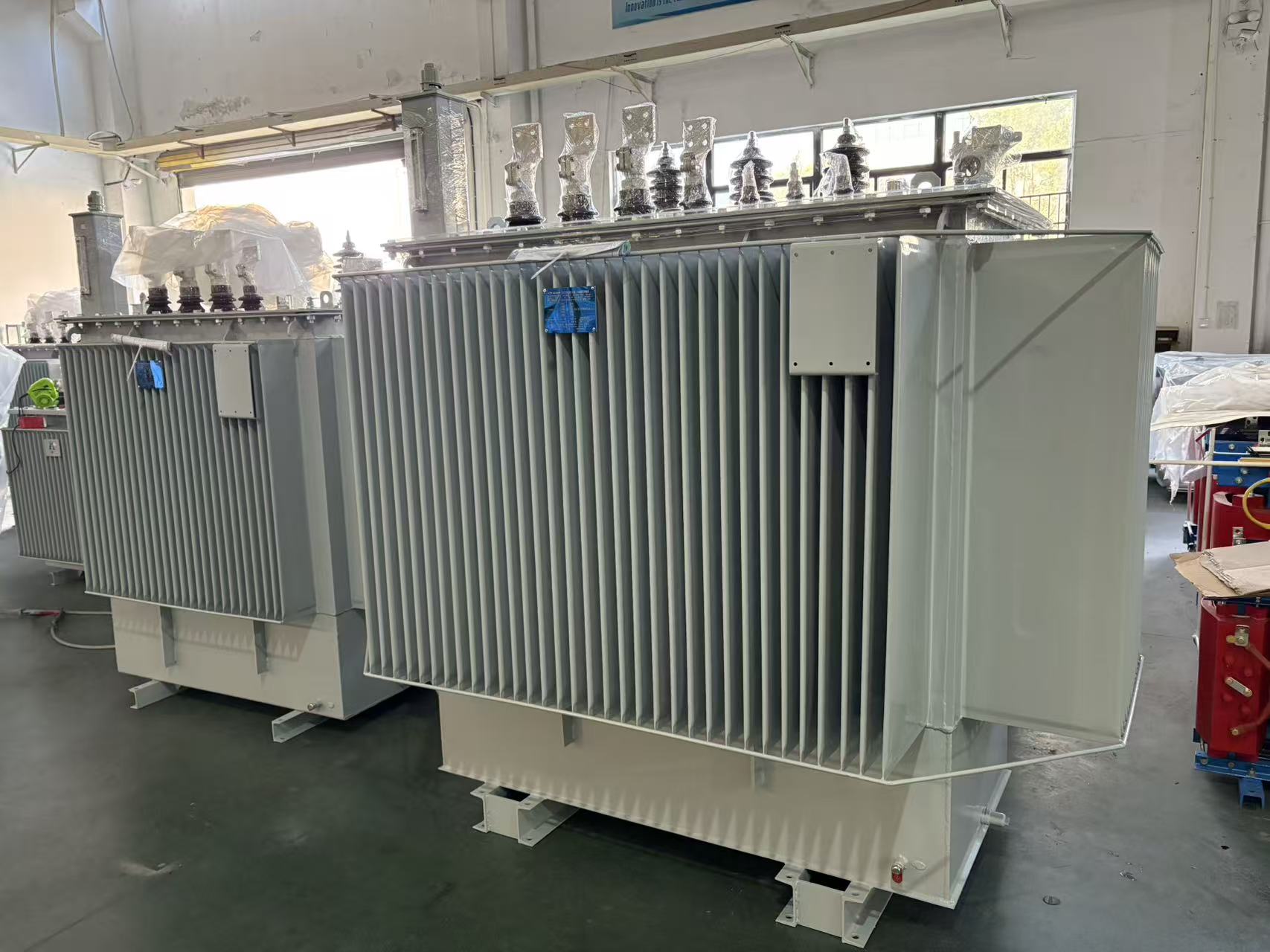
When selecting transformer suppliers, prioritize technical expertise and product quality. Look for manufacturers with a proven track record in designing transformers that meet industry standards, such as IEC or ANSI certifications. Assess their capability to handle custom specifications or complex applications, as this indicates their adaptability and engineering proficiency. Additionally, inquire about their testing procedures, including routine and type tests, to ensure reliability and safety under various operating conditions.
Beyond product aspects, consider the supplier's reputation and customer support. Check reviews, case studies, or testimonials from other clients to gauge their reliability and responsiveness. A supplier with strong after-sales service, including warranty policies, maintenance support, and technical assistance, can significantly reduce long-term operational risks. Evaluating their communication efficiency and transparency in pricing and delivery timelines also helps build a trustworthy partnership.
Lastly, examine the supplier's manufacturing capabilities and supply chain stability. Visit their facilities if possible, or review certifications like ISO to verify quality management systems. Ensure they have robust sourcing strategies for raw materials, such as copper and steel, to avoid disruptions. Assessing their scalability and ability to meet large or urgent orders without compromising quality can be crucial for projects with dynamic demands.
Essential Features of High-Quality Power Transformers for Industrial Use
In the industrial sector, reliable power distribution hinges on transformers that consistently perform under demanding conditions. High-quality industrial power transformers are engineered with robust insulation systems, often incorporating advanced materials like cellulose-based paper or synthetic polymers that resist thermal degradation. These transformers feature efficient cooling mechanisms, such as forced air or oil circulation, to maintain optimal operating temperatures and extend service life. They also prioritize safety with built-in protection against overloads, short circuits, and environmental hazards, ensuring minimal downtime in critical applications like manufacturing plants or heavy machinery operations.
Beyond durability, superior transformers offer enhanced energy efficiency through precise design and high-grade core materials, which minimize losses and reduce operational costs over time. Compliance with international standards, such as IEC or ANSI, guarantees they meet stringent performance and safety benchmarks. Additionally, these units often include modular components for easier maintenance and customization to fit specific voltage and load requirements, making them adaptable across diverse industrial settings from mining to processing industries.
Key distinguishing features include smart monitoring capabilities, where integrated sensors track parameters like temperature and load in real-time, enabling predictive maintenance and early fault detection. This proactive approach not only boosts reliability but also aligns with modern industrial trends toward automation and data-driven management. By combining rugged construction with intelligent technology, high-quality power transformers deliver both resilience and operational flexibility, setting them apart as essential assets in powering industrial growth sustainably.
Navigating Global Markets for Transformers: Top Regions and Suppliers
When delving into the global market for transformers, it's crucial to recognize the diverse regional landscapes that shape availability and innovation. Key players like Asia-Pacific, led by China and India, dominate production due to cost-effective manufacturing and robust infrastructure investments. These regions not only supply a vast quantity of transformers but also drive advancements in energy efficiency and renewable energy integration, catering to both local and international demands.
In Europe and North America, the focus shifts towards high-end, specialized transformers used in smart grids and industrial applications. Suppliers such as Siemens and ABB leverage technological expertise to offer products with enhanced reliability and compliance with stringent environmental standards. This highlights how regional priorities, from economic factors to regulatory frameworks, significantly influence the transformer market's dynamics and supplier strategies.
Navigating these markets effectively requires a nuanced understanding of regional strengths and supplier capabilities. Emerging regions like Latin America and Africa are gaining traction with growing energy needs, presenting opportunities for new entrants and diversification. By staying informed on geopolitical trends and technological shifts, businesses can strategically source transformers to optimize performance and cost, ensuring resilience in an evolving global landscape.
Maintenance Tips and Performance Optimization for Power Transformers
Keeping power transformers in top shape isn't just about preventing breakdowns; it's about ensuring they run efficiently and last for decades. Regular checks on oil quality are crucial—contaminants or moisture in the oil can lead to insulation failure, causing costly outages. Overheating is another common culprit, often stemming from clogged cooling systems or loose connections, which can degrade components over time. Implementing a routine inspection schedule for these factors helps catch issues early, reducing downtime and extending the transformer's life.
Beyond basic upkeep, fine-tuning a transformer's performance can yield significant energy savings and reliability boosts. Techniques like load balancing ensure the transformer operates within its optimal range, avoiding stress on windings and core. Upgrading to smart monitoring systems with sensors for temperature, vibration, and gas analysis allows for real-time data insights, enabling predictive maintenance rather than reactive fixes. This proactive approach not only cuts operational costs but also slashes environmental impact by curbing energy waste.
In practice, combining routine care with advanced strategies sets top utilities apart. For example, some facilities use acoustic emission testing to detect internal faults before they escalate, paired with thermal imaging to spot hotspots during peak loads. Regular training for staff on these methods ensures consistent application and quick response to anomalies, creating a culture of safety and efficiency that keeps power flowing smoothly while maximizing return on investment.
Future Trends and Innovations in Power Transformer Technology
Power transformer technology is undergoing a transformation, driven by the urgent need for smarter, more resilient energy systems. Innovations like solid-state transformers are gaining traction, offering greater control over power flow with fewer moving parts, which enhances reliability. These advancements align with the push towards integrating renewable energy sources, where transformers must adapt to variable loads and bidirectional power flows. Additionally, the use of biodegradable insulating fluids is emerging as a key trend, addressing environmental concerns while maintaining performance under demanding conditions.
Another significant shift is the incorporation of digital twins and IoT sensors into transformer design, enabling real-time monitoring and predictive maintenance. This minimizes downtime and reduces operational costs by alerting technicians to potential issues before they escalate. Wearable sensors and wireless communication modules are being embedded directly into transformers, providing a continuous stream of data on temperature, vibrations, and insulation health. These smart solutions not only extend the lifespan of equipment but also optimize energy distribution in increasingly complex grids.
Looking ahead, materials science is playing a crucial role in advancing transformer efficiency. Research into high-temperature superconductors and advanced nanocrystalline cores promises to reduce energy losses significantly, making transformers more compact and energy-efficient. Coupled with modular designs that allow for easier upgrades and repairs, these innovations are set to revolutionize how we manage power transmission, supporting a more sustainable and adaptable energy future.
FAQ
When selecting a power transformer supplier, key factors include reliability, certifications like ISO or IEC standards, technical expertise, customizability, lead times, cost-effectiveness, and after-sales support to ensure long-term performance and safety.
To verify quality, businesses can request test reports, visit manufacturing facilities, check supplier references, review compliance with international standards, and conduct sample testing to assess durability, efficiency, and safety features.
Common challenges include supply chain disruptions, fluctuating material costs, and technical mismatches. Overcoming these involves diversifying supplier bases, negotiating flexible contracts, and collaborating closely on design specifications.
Customizability is crucial to meet specific voltage, size, or environmental requirements, ensuring the transformer integrates seamlessly into existing systems and adapts to unique operational needs for optimal efficiency.
Certifications like ISO 9001 or IEC standards indicate adherence to quality management and safety protocols, reducing risks and ensuring products meet regulatory and performance benchmarks, making certified suppliers more trustworthy.
After-sales service, including maintenance support, spare parts availability, and technical troubleshooting, ensures ongoing reliability, minimizes downtime, and extends the lifespan of the transformer, protecting the investment.
Lead times directly affect project timelines and operational continuity; shorter or predictable lead times help avoid delays, while suppliers with flexible scheduling can accommodate urgent or changing demands.
Emerging trends include smart transformers with IoT integration for real-time monitoring, energy-efficient designs to reduce losses, and eco-friendly materials aimed at sustainability and compliance with environmental regulations.
Conclusion
This comprehensive guide to power transformer sourcing provides valuable insights for procurement professionals navigating the complex electrical components market. It begins by explaining the critical role power transformers play in modern electrical systems, from industrial facilities to renewable energy grids, highlighting their applications across diverse sectors. The guide emphasizes that selecting the right supplier is as important as the technology itself, detailing key evaluation factors such as manufacturer certifications, production capabilities, and adherence to international standards like IEC and ANSI. It stresses the importance of reliability, with factors like on-time delivery, technical support, and warranty terms being crucial for long-term partnerships. Furthermore, the guide outlines essential features of high-quality transformers, including robust construction, efficient cooling systems, and advanced insulation materials that ensure durability and performance in demanding industrial environments. By covering these foundational aspects, the guide equips readers with the knowledge to make informed decisions when sourcing these vital components.
The guide also explores practical strategies for global sourcing, identifying top regions and leading suppliers in markets like Asia, Europe, and North America, while cautioning about challenges such as logistics and regulatory compliance. It extends beyond purchase decisions to include maintenance tips and performance optimization techniques, such as regular inspections and monitoring systems, to maximize transformer lifespan and efficiency. Looking ahead, the guide discusses emerging trends and innovations, such as smart transformers with IoT integration and eco-friendly designs using biodegradable oils, which are set to transform the industry. By blending traditional best practices with forward-thinking insights, this resource helps users differentiate between suppliers and secure components that meet both current needs and future demands, ensuring operational resilience and cost-effectiveness in an evolving technological landscape.
Contact Us
Contact Person: Doreen
Email: [email protected]
Tel/WhatsApp: 8618057712366
Website: https://www.liugaopower.com/