
Outdoor Wall Tiles Manufacturer Insights: Trends, Materials, and Design Tips
2026-05-10
Outdoor walls often get overlooked, yet they hold the key to a home's first impression. With fresh trends, innovative materials, and smart design tricks shaking up the industry, it's the perfect time to rethink your exterior. In this piece, we're tapping into the expertise of Beata Ceramics to bring you practical insights that go beyond the usual advice—because your outdoor space deserves a finish that's both striking and built to last.
How Outdoor Wall Tiles Are Redefining Modern Exteriors
Once considered purely structural, outdoor wall tiles have evolved into the central narrative of a building's exterior character. They are no longer just a protective skin but a deliberate design choice that merges resilience with artistry. From minimalist urban facades to rustic countryside retreats, these tiles introduce a spectrum of textures, shadows, and geometric depth that paint and render simply cannot replicate. The interplay of light across their surfaces shifts throughout the day, giving the building a living, breathing quality that transforms static architecture into an experience.
Material innovation has propelled this shift, offering endless possibilities that defy outdated clichés. Sleek, large-format porcelain panels erase grout lines to create an illusion of seamless stone, while terracotta baguettes add warmth and rhythm through their vertical repetition. Unexpected formats—hexagonal tiles, fish-scale patterns, or 3D ribbed surfaces—turn exterior walls into sculptural installations. The rise of through-body coloring and digital inkjet printing allows for hyper-realistic wood, concrete, or oxidized metal looks without the associated maintenance headaches, making it possible to achieve a patina of age on a brand-new surface.
Beyond aesthetics, these tiles are rewriting the rules of sustainability and practicality in outdoor design. High-performance ceramic and porcelain options provide thermal insulation, reflect solar heat, and withstand freeze-thaw cycles without cracking. This means fewer replacements and a longer lifecycle for the building envelope. Installers are also moving away from rigid grid patterns, favoring random ashlar layouts or mixed-width planks that feel more organic and less manufactured. By blending durability with expressive freedom, outdoor wall tiles are turning ordinary exteriors into distinct landmarks, where every facade tells its own story of texture and time.
The Hidden Costs of Choosing the Wrong Material
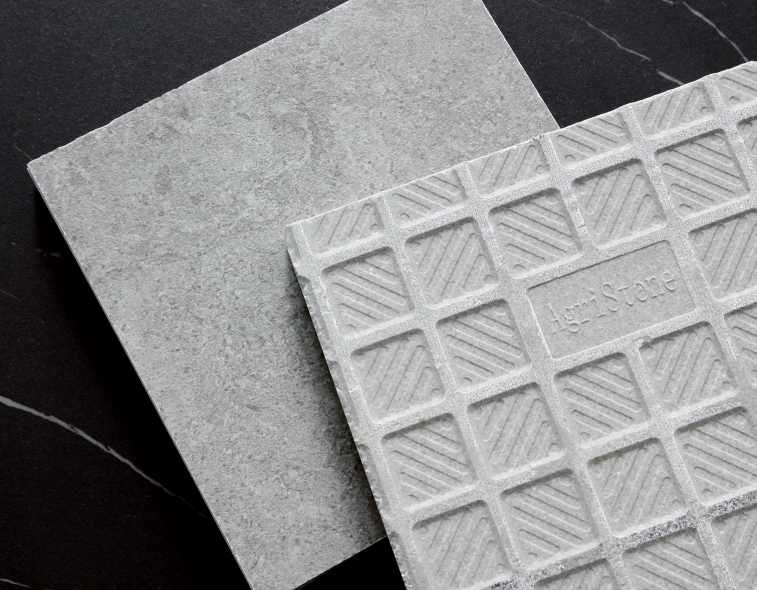
Picking the wrong material often feels like a minor compromise until the bills start piling up. Initial savings can quickly evaporate when you factor in frequent repairs, premature replacements, and the labor required to keep subpar components functional. What seemed like a budget-friendly choice at the outset often morphs into a recurring drain on resources, silently eating away at your operational margins.
Beyond direct maintenance expenses, there’s the ripple effect of unexpected downtime. A material that fails under stress doesn’t just break itself—it halts entire processes, delays deliverables, and frustrates teams waiting on replacements. Each hour of inactivity carries a price tag that rarely appears in initial cost comparisons, yet it can easily dwarf the upfront difference between a mediocre material and a reliable one.
Then comes the erosion of trust and reputation. Clients notice when products deteriorate faster than expected or when promises don’t hold up. Rebuilding credibility takes far more effort and investment than choosing quality materials from the start. The true cost isn’t just financial; it’s measured in strained relationships and lost opportunities that no spreadsheet can fully capture.
5 Design Risks That Actually Pay Off
We’re often told that safe design is good design. But the most memorable work—the kind that stops a scroll or lingers in someone’s mind—tends to come from decisions that felt a little uncomfortable at first. Breaking grid systems, clashing typefaces, or building a site that refuses to look like every other in its category can feel like career sabotage. Yet precisely because those choices stand out, they create the kind of engagement metrics and word-of-mouth that a “perfectly acceptable” layout never will.
Take Brutalist web design, for example. It flies in the face of everything we’re taught about usability and polish, and when done poorly it’s just ugly. But in the right hands, its raw aesthetic telegraphs honesty and independence in a sea of cookie-cutter templates. That friction—the jolt of “what is this?”—becomes an asset. Users lean in, exploring more pages and spending more time, simply because the interface made them curious. The risk isn’t in being different; the risk is in being forgettable.
Not every risk will pay off, and that’s the point. The ones that do are usually anchored in a deep understanding of the audience and the brand’s core message. It’s not about chasing trends or being edgy for its own sake—it’s about knowing which rules to break so that the design tells a story competitors can’t replicate. When you gamble on a strong point of view instead of a safe proven formula, you might lose a few conservative users, but the ones who stay become evangelists. And in a crowded digital landscape, that’s worth more than a dozen “best practices” checklists.
Why Your Climate Dictates Your Tile Selection
The tiles under your feet do a lot more than complete a room’s look—they stand up to daily wear and weather patterns that vary wildly from place to place. In a humid coastal town, moisture seeps into every crack, making non-porcelain options a risk for warping and mold. By contrast, a mountain home with freezing winters demands tiles that can handle the constant expand-and-contract cycle without cracking. The wrong choice in either setting leads to costly repairs, so matching material to local conditions isn’t just smart; it’s essential for a floor that lasts.
Sunlight works like a slow bleach on some surfaces, while dry, dusty air can scratch softer stones over time. A patio in the desert, for instance, benefits from dense quarry tiles or porcelain that resist UV fading and stay cool enough to walk on barefoot. Think about your daily reality: do you track in snow and road salt for months, or does monsoon season leave puddles at the entryway? These patterns determine whether you need high slip resistance, low absorption, or a surface that won’t bake under afternoon glare.
Local materials often hold an advantage because they naturally evolved to cope with the climate. Terracotta thrives in Mediterranean regions where summers are long and dry, but that same tile would spall and crack in a freeze-thaw zone. Manufacturing innovations now offer hybrids—like wood-look planks in frost-proof porcelain—that give you the aesthetic you want without the climate hang-ups. Paying attention to how temperature swings, precipitation, and even indoor humidity levels interact with your flooring materials makes the difference between a beautiful feature and a maintenance headache.
What Factory Tours Reveal About Quality
Walking the factory floor, you bypass the sanitized narrative of the website. Real quality whispers from the seemingly mundane: the absence of clutter in storage areas, the quiet hum of well-maintained machinery, the way operators pause to clean a sensor without being prompted. These are not scripted moments; they're habits ingrained when management cares more about the final product than the production quota. If you see shortcuts taken where no customer would notice, you're likely looking at a culture where quality is just a slogan.
Employee behavior offers another unfiltered gauge. In facilities that genuinely value craftsmanship, staff often volunteer details about defect detection or recent process improvements without being asked. They handle components with a certain reverence, not out of fear, but because they've internalized that their fingerprint is on everything that leaves the dock. A tour guide who deflects technical questions or hurries past the rework area sends the opposite signal.
Finally, the physical state of the facility tells a story of financial priorities obscured by annual reports. Peeling paint might seem harmless, but if the company won't invest in its own environment, it's unlikely to invest in premium components. Watch how returned goods are handled—are they treated with forensic curiosity to prevent recurrence, or are they shoved into a corner? That tells you everything about the brand's real relationship with longevity.
The Unconventional Uses for Outdoor Tiles You Haven’t Considered
Outdoor tiles are typically associated with patios and walkways, but their potential stretches far beyond the ordinary. Imagine transforming a neglected corner of your garden into a striking vertical herb wall. By mounting tiles onto a sturdy backing and adding small ledges or pockets, you create a durable, weather-resistant backdrop for cascading rosemary or thyme. The texture and color of the tiles add an artistic flair while withstanding moisture and sun, turning a bland fence into a living tapestry.
Another overlooked application is using outdoor tiles as a heat-resistant barrier around fire pits or outdoor kitchens. Rather than relying on poured concrete or stone slabs, opt for large-format porcelain tiles rated for high temperatures. They’re easier to clean, resist staining from ash or grease, and can be arranged in a seamless pattern that mimics polished stone. For an intimate gathering space, lay them in a circular mosaic design, turning a functional safety measure into a focal point that sparks conversation.
If you’re feeling adventurous, consider outdoor tiles as a striking material for garden sculptures or water features. Unglazed ceramic tiles, with their natural earthy tones, can be broken into shards and used to mosaic a boulder or a concrete birdbath, catching light and adding surprise elements among flower beds. Even a simple stack of tiled risers can become a standalone art piece, with the grout lines creating a rhythmic pattern that draws the eye. These installations thrive in all seasons, requiring little maintenance while constantly shifting in appearance with the weather and light.
FAQ
Manufacturers are gravitating toward larger format slabs that reduce grout lines and create a seamless look. Textured finishes that mimic hand-chiseled stone or rough-cut timber are in demand, often in earthy, subdued tones. Mixed-material aesthetics, like combining tile with metal accents, are also growing. Sustainability plays a part too, with more recycled content appearing in newer product lines.
Porcelain stands out for its low water absorption and resistance to freeze-thaw cycles, making it suitable for cold regions. Ceramic works well in milder zones but needs a frost-resistant rating if used in colder areas. Natural options like slate and quartzite offer character but require regular sealing against moisture. In coastal settings, salt-resistant porcelain with a non-porous body is often the safest bet.
Focus on technical specs first: a PEI rating of 3 or higher ensures durability, and a coefficient of friction of at least 0.42 provides safety on vertical surfaces. Matte and structured textures age better than polished ones, hiding everyday wear. Then choose a design that echoes your building’s lines, avoiding trendy patterns that might date quickly.
Always start with a flat, waterproofed substrate. Mix a polymer-enhanced thinset and comb it evenly on both the wall and the tile back. Incorporate soft joints every 20 to 25 feet to manage thermal expansion, and make sure all horizontal ledges slope away from the wall to prevent water pooling. Using tile leveling clips helps maintain a flush finish.
High-definition porcelain now replicates the veining and texture of marble, limestone, and even wood with impressive accuracy. These tiles don’t need sealing, are lighter to handle, and often cost half as much as quarried stone. Many manufacturers back them with extended warranties against fading and cracking.
One error is ignoring the tile’s scale; large-format tiles can overwhelm a small façade, while small mosaics can look busy on a big wall. Choosing a dark color in a sunny spot raises surface heat and makes spaces feel smaller. Another oversight is not purchasing extra material for tricky cuts and future repairs, which can leave you with a mismatched patch.
Digital printing gives each tile a unique, non-repetitive pattern that mimics natural materials. Tightly calibrated rectified edges allow for narrower grout joints, reducing places for moisture to seep in. Enhanced body compositions and advanced kiln firing increase flexural and breaking strength, so tiles resist cracking under load or impact better than earlier versions.
Conclusion
Outdoor wall tiles have moved far beyond basic cladding—they now shape the entire personality of a building. Modern exteriors are being redefined by large-format porcelain panels, textured stone looks, and even wood-effect tiles that defy expectations. But beneath the surface, the real story is about risk-taking that pays dividends: mixing matte and gloss finishes, embracing deep charcoals in sun-drenched settings, or extending tile patterns indoors to outdoors without a visual break. These choices aren't just aesthetic gambles; they demand an understanding of how materials behave over time. The wrong selection can rack up hidden costs through premature fading, frost damage, or constant maintenance. That's why factory visits offer an unforgiving look at quality—press tonnage, curing cycles, and precise color calibration reveal durability far more than a glossy brochure ever will.
Climate remains the ultimate gatekeeper. In coastal areas, salt resistance isn't optional; in freeze-thaw zones, low water absorption is non-negotiable. Smart manufacturers will walk you through these requirements, often suggesting unconventional uses that most homeowners never consider: picture a tiled outdoor kitchen backsplash that doubles as a heat shield, or textured tiles on a garage wall that become an instant climbing feature. There's also an emerging wave of tiles used on garden screens and even as decorative fences, replacing timber that rots. Ultimately, the insight from deep inside the production lines is that a tile's real value isn't just its face—it's the engineering that keeps it intact when the seasons turn vicious.
Contact Us
Contact Person: Emma
Email: [email protected]
Tel/WhatsApp: 8618064423698
Website: https://www.beataceramics.com/