
Outdoor Wall Tiles Factory Secrets: Crafting Weather-Resistant Beauty for Your Exteriors
2026-08-02
Ever wondered how outdoor wall tiles survive scorching sun, freezing rain, and everything in between? At Beata Ceramics, we blend cutting-edge engineering with artistic flair to create facades that stay stunning year after year. Step behind the scenes of our factory and discover the secrets to weather-resistant beauty that transforms any exterior into a lasting statement.
Raw Material Alchemy: Selecting the Perfect Clay Blend
The foundation of any exceptional ceramic piece lies in the raw earth itself. Sourcing clay is less a transaction and more a dialogue with geology; each vein carries a distinct personality shaped by millennia of mineral deposits. A potter might blend a highly plastic ball clay for workability with a refractory fireclay to withstand intense heat, then introduce a whisper of local wild clay for its iron speckles that bloom into unexpected warmth during reduction firing. The proportions are rarely written down—they live in the hands, tested through repeated wedging and small-scale trials.
Texture dictates narrative. A smooth, silky porcelain invites delicate carving and translucent walls, while a grogged stoneware demands bold, assertive forms that celebrate its gritty tooth. Some artisans deliberately introduce crushed biscuit-fired shards into the mix, a practice dating back centuries that creates a speckled canvas for glaze interactions. The magic often happens when you deviate from standardized recipes: adding a handful of fine sand to a slick throwing body can transform it into a sculptural medium that holds extreme shapes without slumping.
Moisture content becomes an extension of the maker’s intent. A stiffer body suits architectural slabs that must stand crisp and true; a softer, more giving consistency allows the wheel to coax upward spirals effortlessly. In large-scale work, blending in nylon fibres or paper pulp—techniques borrowed from traditional adobe construction—can open up possibilities that pure clay alone would reject. Ultimately, the blend isn’t just about chemistry but about predicting how the material will move under pressure, respond to drying stresses, and come alive in the kiln’s embrace.
Kiln Mastery: Firing Techniques That Lock In Strength
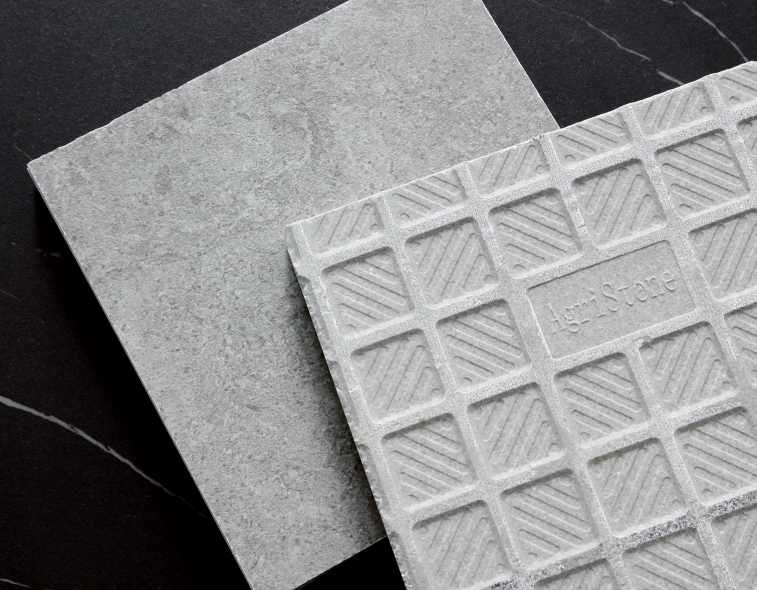
The secret to ceramics that endure lies not just in the clay but in the careful choreography of heat. Ramping up the temperature too quickly can cause thermal shock, while an uneven soak might leave the core weak. Master potters know that a slow, deliberate rise allows moisture to escape gradually, and holding at critical points lets the silica and alumina form a tight, interlocking matrix. It's this patient elevation that transforms fragile greenware into something that can withstand decades of use.
Cooling is equally decisive. A rapid drop in temperature can lock in stress fractures invisible to the eye, ready to propagate under sudden thermal load. By controlling the descent—sometimes for hours beyond the kiln's natural cooling curve—you allow crystalline phases to fully develop and residual tensions to relax. This kind of precision isn't just about avoiding cracks; it's about engineering a piece that feels solid, rings true, and resists fatigue.
Atmosphere plays its part too. In reduction firing, starving the kiln of oxygen pulls carbon from the clay body, darkening the surface and influencing the glaze chemistry in ways that can dramatically boost hardness. It's a delicate balance: enough reduction to achieve the depth of color and surface strength, but not so much that carbon trapping mars the finish. The result is a piece that not only looks richer but possesses a more resilient skin, able to handle the nicks and bumps of daily life.
Glaze Guard: The Invisible Shield Against Rain and Sun
Glaze Guard isn’t just another coating—it’s a silent partner for your surfaces, working without ever making its presence known. Imagine a layer so discreet that it melds into the material, yet stands firm against every droplet and ray. That’s the essence of this shield: invisible, weightless, and always on duty.
When rain hits, water doesn’t spread or seep in. It beads up and glides away, pulling dirt along with it, so glass stays clearer and paint stays sharper. Under the sun, the guard filters out the harshest UV rays, slowing fading and cracking before they start. No discoloration, no peeling—just a quiet defense that adapts to the weather, come storm or shine.
What makes it different is how it bonds at a microscopic level, filling pores and imperfections without altering the look or feel. You don’t see it, you don’t maintain it, but suddenly your car’s finish lasts longer, your patio furniture keeps its color, and your windows shrug off the elements. It’s protection that feels like nothing, yet does everything.
Texture Tricks: Making Walls Look Naturally Aged
There's something undeniably captivating about walls that carry the marks of passing decades. Rather than relying on predictable sand-and-paint combos, try layering glaze mixed with a pinch of finely ground coffee or tea leaves. Brush it on unevenly, letting it pool in crevices and thin out on raised surfaces. Before it dries, gently dab with a crumpled paper towel to break up the pattern. The subtle organic pigments create a warmth that feels like decades of memory embedded in the plaster.
Another approach that avoids the overused sponge technique is working with a dry, stiff-bristled brush and a very thin, almost transparent tinted lime wash. Dip only the tips of the bristles, then flick and stipple in random, overlapping arcs. The key is to build up the look gradually, adding more pigment in areas where natural wear might occur—near door frames, along baseboards, beneath windows. This method produces a soft, clouded effect that mimics aged frescoes, with a depth no one-step faux finish can replicate.
Hidden Anchors: Mounting Methods That Defy Gravity
Traditional mounting often relies on visible brackets, screws, or stands that interrupt clean lines. Hidden anchors break this pattern entirely, making objects appear to float against walls, ceilings, or even within transparent surfaces. The trick lies in strategic load distribution and discreet hardware—think recessed keyhole slots, magnetic plates embedded into drywall, or tension-based clamping systems that grip from behind. These methods don't just hide the mount; they make the object seem weightless, transforming a functional necessity into a design statement.
One approach gaining traction in compact living spaces is the use of ceiling-recessed anchors that transfer weight upward into joists, leaving no footprint on the floor or walls. Designers often pair this with nearly invisible steel cables, creating a levitation effect for shelves, desks, or even beds. Another technique involves French cleats milled directly into the back panel of cabinetry, so the entire unit secures to the wall with nothing visible from any angle. The engineering is deceptively simple: a precisely angled interlocking profile holds hundreds of pounds while remaining completely hidden.
For heavier items like floating staircases or cantilevered stone countertops, hidden anchors rely on steel substructures welded into the building's frame before finishes are applied. The result is a monolithic appearance that defies expectation—the weight seems to originate from nowhere. These gravity-defying mounts aren't limited to static installations either; some rotating hidden brackets allow panels or artwork to swing open without visible hinges, preserving the illusion of a seamless, untouched surface.
Weather Warrior Tests: Simulating Decades in Days
Our engineers don’t just wait for the seasons to change—they accelerate them. Inside our climate chambers, materials face the kind of punishment that would take nature years to dish out. Blistering UV rays, salt-laden mists, and freeze-thaw cycles are compressed into relentless, around-the-clock trials. The goal isn’t just to pass a test; it’s to expose every potential weakness long before a product ever leaves the lab.
These simulations are built on decades of weather data, recreating the harshest conditions from tropical downpours to arid desert blasts. A single week in the chamber can replicate years of thermal shock, humidity saturation, and corrosive exposure. By pushing components past their breaking point, we learn exactly where to reinforce—ensuring that zippers don’t seize, seam tapes hold firm, and waterproof membranes stay intact through countless storms.
The result is gear that doesn’t just survive a bad forecast—it thrives in it. From alpine summits to coastal trails, every stitch and seal has already endured far worse in fast-forward. This process isn’t about meeting minimum standards; it’s about crafting equipment that remains reliable when the real world throws its worst at you.
FAQ
It's a combination of dense body composition and impermeable glaze. Factories use high-pressure compaction and vitrification at extreme temperatures, leaving almost zero room for water absorption. This prevents cracking during freeze-thaw cycles and resists UV degradation better than standard tiles.
Advanced digital inkjet technology scans real stone, wood, or concrete surfaces in high resolution, then prints directly onto the tile body with mineral pigments. A clear protective layer seals the pattern, making it scratch-resistant and deeply authentic without the upkeep of natural materials.
Absolutely. Low porosity is engineered deliberately, keeping water from seeping in and expanding when frozen. Many models are tested for frost resistance to meet international standards, so they withstand prolonged winter conditions without spalling or surface damage.
It's the controlled slow cooling after firing. Rushing this phase introduces internal stresses. Instead, the tiles pass through a kiln with gradually decreasing temperatures, which stabilizes the molecular structure and prevents micro-cracks from forming before they even reach your walls.
Very little. Because the surface is vitrified and non-porous, dust and grime don’t bond tightly. An occasional rinse with plain water or gentle brushing usually restores their original look, without scrubbing or sealing required year after year.
Unlike organic dyes, the pigments used are inorganic oxides mixed into the glaze or body before firing. They bond chemically with the silica matrix at over 1200°C, becoming part of the tile itself rather than a coating. This makes them inherently lightfast and resistant to atmospheric pollution.
Many ranges are dual-purpose, but you must check the slip resistance rating. Outdoor floor versions often have added texture or grit to the surface for traction when wet. Structurally, the toughness is the same, but the surface finish differs for safety.
The palette is vast: from ultra-slim large-format panels for seamless facades, to vibrant encaustic-style patterns, and even textured 3D surfaces that play with shadow and light. Custom color matching and bespoke sizes are often possible for large architectural projects.
Conclusion
At the heart of every weather-resistant outdoor wall tile lies a meticulous blend of raw materials, where clay selection becomes an art form. Factories source specific clays rich in silica and alumina, balancing plasticity with low porosity. This alchemy ensures that tiles can expand and contract without cracking, while mineral additives lock in durability. But the real transformation happens inside the kiln, where controlled firing schedules—often exceeding 1200°C—vitrify the tile body, fusing particles into a dense, rock-like matrix. It's this kiln mastery that gives tiles their inherent strength, allowing them to endure decades of freeze-thaw cycles without flinching. The process is far from guesswork; it's a science honed over generations, blending tradition with precise thermal curves that define a tile's long-term resilience.
Yet strength alone isn't enough—a tile's surface must repel nature's worst. A specialized glaze acts as an invisible shield, formulated to resist UV radiation, acid rain, and moisture ingress without dulling the aesthetic. This coating isn't just functional; it carries texture tricks that replicate timeworn stone or rustic timber, giving walls an authentic, naturally aged character. Behind these facades, hidden anchoring systems engage gravity-defying mounting methods, from integrated clips to mechanical interlocking profiles, ensuring each tile stays put in high winds. Before any product reaches a facade, it survives weather warrior tests where heat lamps, salt spray, and hydraulic presses simulate decades of abuse in a matter of days. Only tiles that pass these gauntlets earn the right to adorn your exteriors, merging laboratory rigor with the artistry of crafted beauty.
Contact Us
Contact Person: Emma
Email: [email protected]
Tel/WhatsApp: 8618064423698
Website: https://www.beataceramics.com/