
Mold Steel Supplier: Essential Insights for Durable Mold Solutions
2026-01-27
In the realm of mold manufacturing, selecting the right mold steel supplier is pivotal to achieving durable and efficient mold solutions. As industries increasingly demand high-precision components, understanding the nuances of steel quality, supply reliability, and technical support becomes crucial. This blog delves into essential insights that can guide you in making informed decisions for your projects. For businesses striving for excellence, partnering with a trusted provider like Jiangsu Baowu New Materials can offer a strategic edge, ensuring materials that withstand rigorous applications. Discover how these insights can transform your approach to mold longevity and performance in the sections ahead.
Key Factors in Selecting the Right Mold Steel for Your Project
Choosing the right mold steel isn't just about picking a material off the shelf; it's about aligning steel properties with your project's specific demands. Factors like hardness, toughness, and corrosion resistance play crucial roles in how the mold performs under pressure and over time. Think about the production volume, material being molded, and environmental conditions to avoid premature wear or failure that could derail your timeline.
Beyond technical specs, consider the steel's machinability and heat treatment requirements, as these impact both initial costs and long-term maintenance. For instance, some steels offer excellent polishability, which is vital for high-gloss finishes, while others might be better suited for abrasive materials that demand superior wear resistance. It's a balancing act between performance, durability, and budget, so don't overlook the importance of testing or consulting with a metallurgist.
In practice, selecting mold steel often involves trade-offs; a steel with high hardness might be perfect for durability but could be more prone to cracking under stress. Tailor your choice to factors like mold design complexity and expected tool life, using real-world experience and material data sheets as guides to optimize both functionality and cost-effectiveness.
Top-Grade Mold Steel Materials and Their Performance Benefits
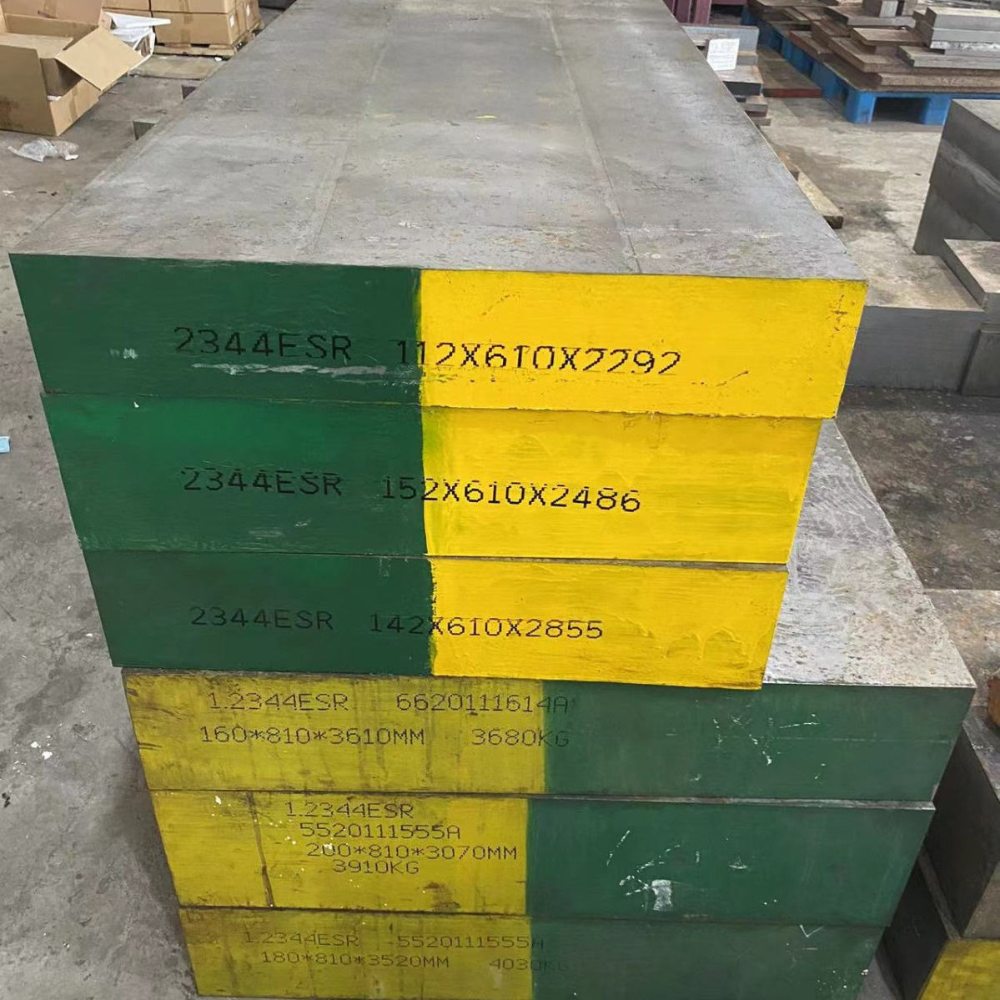
High-quality mold steels are essential in manufacturing processes like injection molding and die casting, where they endure extreme pressures and temperatures. Materials such as H13 and S7 offer remarkable durability, reducing tool wear and extending mold life. For instance, H13 is favored for its excellent heat resistance, maintaining hardness and strength even under prolonged thermal cycling, which minimizes downtime and maintenance costs. This reliability translates to consistent part quality and enhanced productivity in demanding industrial applications.
Beyond durability, these advanced steels provide specialized benefits that cater to specific production needs. P20 steel, commonly used in plastic injection molds, features good machinability and polishability, enabling intricate designs and smooth finishes. On the other hand, stainless steels like 420 are prized for their corrosion resistance, ideal for molds exposed to harsh chemicals or environments. Such targeted properties allow manufacturers to optimize their operations, whether prioritizing surface quality or longevity in aggressive conditions.
Choosing top-grade mold steel isn't just about material selection; it's a strategic investment in overall efficiency. With alloys like D2 offering high wear resistance and minimal distortion, production runs become more predictable and less prone to defects. This leads to reduced waste and lower total cost of ownership over time. By leveraging these performance benefits, industries can achieve greater flexibility and innovation in product development, staying competitive in fast-evolving markets.
How a Reliable Supplier Enhances Mold Durability and Efficiency
When you partner with a dependable supplier for your molds, you're not just buying a product—you're investing in a longer lifespan for your tooling. A reliable supplier uses high-quality materials, like premium-grade steels and specialized coatings, that resist wear and tear from constant use. This careful selection means molds can withstand thousands of cycles without significant degradation, reducing the need for frequent replacements and downtime. By prioritizing durability from the start, these suppliers help you cut long-term costs and maintain consistent production quality.
Beyond materials, a trusted supplier brings expertise in precision engineering and manufacturing techniques. They implement advanced processes, such as CNC machining and heat treatment, to ensure molds are built to exact specifications. This attention to detail minimizes defects and ensures optimal performance, leading to smoother operations and fewer disruptions on the production line. With efficiency in mind, these suppliers often offer custom solutions tailored to your specific needs, helping you streamline workflows and boost overall productivity.
Collaborating with a reliable supplier also means access to ongoing support and maintenance services. Many provide proactive monitoring and timely repairs, which can prevent minor issues from escalating into major failures. This continuous care extends mold life even further and keeps efficiency high, as equipment runs smoothly with minimal interruptions. In a competitive industry, such partnerships can be a game-changer, offering peace of mind and a tangible edge in mold performance and operational reliability.
Innovative Supply Chain Solutions for Mold Steel Availability
In the competitive landscape of manufacturing, ensuring reliable access to mold steel is a critical challenge that demands creative approaches. Companies are increasingly adopting innovative supply chain strategies, such as forging direct partnerships with steel producers to bypass traditional distributors. This not only reduces lead times but also enhances transparency in pricing and quality control. By implementing predictive analytics, businesses can anticipate fluctuating demand and adjust procurement cycles accordingly, minimizing disruptions and supporting just-in-time production.
Another emerging solution involves diversifying sourcing channels through global networks, leveraging regional suppliers to mitigate risks associated with geopolitical or logistical issues. This strategy allows companies to tap into specialized steel grades and maintain a steady inventory without overstocking. Additionally, the use of blockchain technology is gaining traction to track the entire supply chain journey, from raw material extraction to final delivery. This ensures authenticity and compliance with industry standards, fostering trust among stakeholders and streamlining operations in a way that goes beyond conventional methods.
To further enhance availability, some firms are investing in collaborative platforms that connect manufacturers with suppliers in real-time, enabling dynamic adjustments based on market conditions. This proactive approach, combined with sustainability initiatives like recycling scrap steel, not only addresses short-term needs but also builds a resilient ecosystem. By prioritizing adaptability and innovation, organizations can overcome bottlenecks and secure a consistent supply of mold steel, driving efficiency and competitiveness in the long run.
Cost-Effective Strategies for Procuring High-Quality Mold Steels
In the competitive manufacturing sector, achieving the right balance between cost and quality in mold steel procurement is crucial for long-term success. One effective approach involves leveraging long-term partnerships with suppliers; by committing to consistent orders, companies can often negotiate better pricing while ensuring access to premium-grade materials. Additionally, it's wise to explore alternative steel grades that offer similar performance characteristics at a lower cost, as advancements in metallurgy have expanded options beyond traditional choices.
To further enhance cost-effectiveness, businesses should prioritize thorough material testing and certification processes. Investing in initial quality checks might seem like an extra expense, but it prevents costly rework or downtime due to subpar steels. By implementing rigorous inspection protocols, such as ultrasonic testing or chemical analysis, firms can secure high-quality steels without overspending, ultimately boosting operational efficiency and product reliability.
Another strategy revolves around strategic inventory management and bulk purchasing. Instead of making frequent small orders, which often incur higher unit costs and logistical fees, procuring mold steels in larger quantities during favorable market conditions can lead to significant savings. This method allows companies to lock in prices for high-quality materials, reducing vulnerability to price fluctuations and ensuring a steady supply for upcoming projects.
Future Trends in Mold Steel Technology and Supplier Partnerships
As industries evolve, mold steel technology is rapidly advancing, with key trends focusing on enhanced durability and precision. Innovations like additive manufacturing are enabling the creation of complex mold geometries that were previously unattainable, reducing lead times and costs. Additionally, the development of high-performance steels with improved corrosion resistance and thermal stability is becoming crucial for applications in sectors such as automotive and electronics, where efficiency and longevity are paramount. These advancements not only boost productivity but also open new possibilities for custom solutions and sustainable practices, pushing the boundaries of traditional manufacturing.
Supplier partnerships are transforming from transactional relationships to collaborative ecosystems, driven by the need for agile and integrated supply chains. Companies are increasingly forming strategic alliances with steel producers and mold makers to co-develop materials tailored to specific applications, ensuring better performance and faster adaptation to market changes. This shift emphasizes transparency and shared goals, such as reducing waste and improving lifecycle management, fostering a culture of innovation that benefits all stakeholders. By leveraging digital tools for real-time communication and data sharing, these partnerships enhance efficiency and responsiveness, making them a cornerstone of competitive advantage in today's dynamic industrial landscape.
Looking ahead, the convergence of artificial intelligence and IoT in mold steel systems promises to revolutionize predictive maintenance and quality control, minimizing downtime and errors. Trends also point towards greater emphasis on sustainability, with suppliers collaborating to develop recyclable or low-impact materials that align with global environmental standards, ensuring long-term viability. As these technologies and partnerships mature, they will likely drive a shift towards more resilient, customer-centric supply networks that can swiftly adapt to evolving demands, setting new benchmarks for excellence in the industry.
FAQ
Look for suppliers who offer high-quality, certified materials like H13 or P20 steel, provide timely delivery, and have strong technical support for mold design and maintenance.
They supply premium-grade steels with excellent wear resistance and thermal stability, ensuring molds withstand high pressures and cycles without premature failure.
Suppliers should stock a range, including pre-hardened steels for general use, hardened steels for high-wear areas, and stainless steels for corrosion resistance in specific applications.
Rigorous QC ensures consistent material properties, reduces defects, and extends mold life, preventing costly downtime and rework in production.
Many top suppliers offer on-site support, replacement parts, and refurbishment options to help maximize mold longevity and performance over time.
Local or regional suppliers often provide faster shipping and better logistics, reducing lead times and ensuring swift response to urgent needs.
Certifications like ISO 9001 indicate adherence to quality standards, giving confidence in material traceability and reliability for critical applications.
Beyond basic supply, look for value-added services such as custom machining, material testing, and sustainability initiatives like recycling programs.
Conclusion
Selecting the right mold steel is crucial for achieving durable mold solutions, with key factors including material composition, hardness, and thermal stability to ensure longevity under high-pressure conditions. Top-grade materials like H13, P20, and stainless steels offer enhanced performance benefits, such as resistance to wear and corrosion, which directly impact mold efficiency and lifespan. A reliable supplier plays a pivotal role in this process, providing not only high-quality steels but also technical support and consistency in supply, thereby enhancing overall durability and reducing downtime in production cycles.
Innovative supply chain solutions ensure steady availability of mold steels through just-in-time delivery and global sourcing networks, addressing potential shortages and fluctuations in demand. Cost-effective procurement strategies, such as bulk purchasing and long-term partnerships, help balance quality with affordability without compromising on material integrity. Looking ahead, future trends in mold steel technology, including advancements in additive manufacturing and smart alloys, coupled with strengthened supplier partnerships focused on sustainability and digital integration, are set to revolutionize the industry, offering more resilient and efficient mold solutions tailored to evolving manufacturing needs.
Contact Us
Contact Person: Zoe Liang
Email: [email protected]
Tel/WhatsApp: 86 189 2128 6299
Website: https://www.baowuchina.com