
Metal Shredder Manufacturer Reveals Top Industry Trends for 2024
2026-05-09
Metal shredding is on the brink of a major shift, and few know the landscape better than Shengzhong Shredder. As we step into 2024, their team has pinpointed the trends set to redefine efficiency, safety, and profitability in scrap processing. From smarter automation to evolving material demands, here’s what you need to know to stay ahead of the curve.
How smarter shredding is reshaping scrap metal recovery
For decades, scrap yards relied on brute-force shredders that turned old cars and appliances into a tangled mess of metals, plastic, and glass. The separation process that followed was slow, imprecise, and left valuable materials mixed with waste. Today, smarter shredding technologies are changing the game by using sensor-based sorting, real-time data analysis, and adaptive cutting mechanisms that identify and separate metals on the fly.
These intelligent systems can distinguish between copper, aluminum, and different steel grades without human intervention, cutting contamination rates dramatically. The result is a cleaner, higher-value metal stream that melts more efficiently, slashing energy use in downstream processing. For an industry squeezed by tight margins and volatile markets, the shift toward precision shredding isn’t just a technical upgrade—it’s a fundamental rethinking of how we unlock value from discarded products.
The unexpected role of electric vehicles in shredder innovation
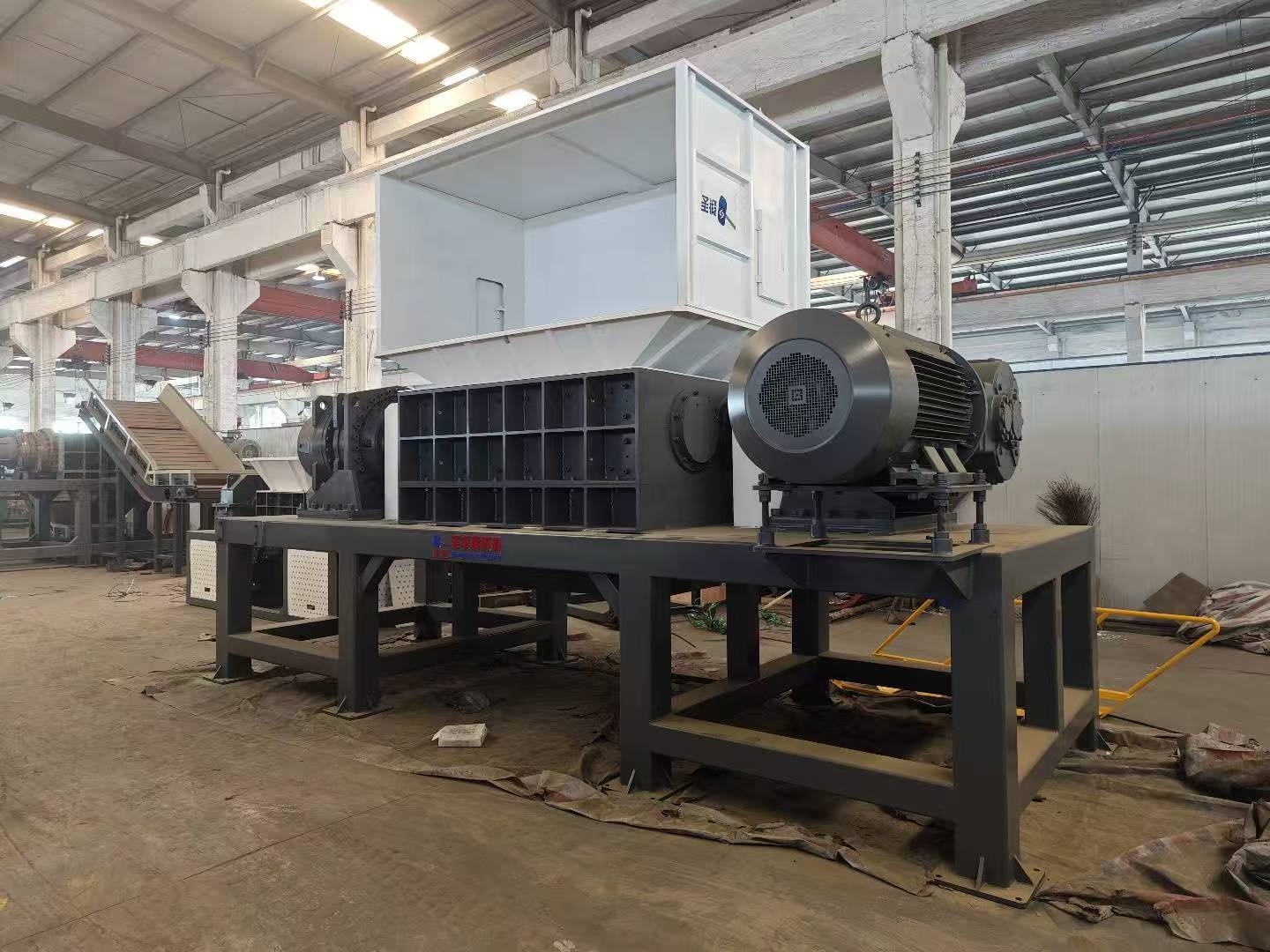
When we picture electric vehicles, we tend to think of silent motors and reduced emissions, not the colossal machines that chew up old cars. Yet the rise of EVs is quietly forcing shredder manufacturers to rethink designs that have barely changed for decades. The batteries, with their dense, volatile chemistry, present a puzzle that no mechanical beast has been asked to solve before.
Traditional shredders thrive on predictable, metallic scrap, but an EV battery pack is a nervous package of lithium, cobalt, and stored energy. A single stray short circuit during crushing can trigger a thermal runaway—a polite term for an unstoppable fire. This danger has pushed engineers to integrate exotic materials like nitrogen-cooled blades and ceramic-lined chambers, turning shredders into high-tech containment chambers as much as brute-force demolitions experts.
Beyond safety, EV motors are rewriting the shredder’s own power narrative. The same rare-earth magnets that make a Tesla accelerate can posthumously play havoc with electromagnetic separation drums, blinding them to the very metals they’re meant to sort. Innovators are now embedding degaussing stages directly into the shredding sequence, a tweak that sounds minor until you realize it has spawned an entirely new class of adaptive, sensor-laden machinery. The electric car, it turns out, isn’t just changing how we drive—it’s reinventing the jaws that will one day consume it.
Beyond the blades: why precision matters more than power
In the world of cutting tools, the obsession with brute strength often overshadows a quieter truth: a meticulously honed edge can outlast and outperform a merely forceful one. It’s not about how much muscle you put behind the stroke, but how flawlessly the blade meets the material—angle, sharpness, and consistency matter far more than raw horsepower. When you shift focus from power to precision, you stop tearing through fibers and start gliding, which preserves both the tool and the workpiece.
Consider the difference between a factory-sharpened blade and one refined by hand. The machine-made edge might slice aggressively at first, but it lacks the subtle geometry that reduces friction and wear. A precisely crafted edge distributes stress evenly, avoiding microscopic chips that lead to dullness. This isn’t merely academic; it’s why surgeons, chefs, and woodworkers invest time in perfecting their instruments rather than just applying more force. The result is cleaner cuts, safer handling, and a longer life for the blade—all without needing a giant motor behind it.
Ultimately, chasing power without precision is like shouting in a crowded room—you’ll be heard, but nobody will understand. Devices and tools that prioritize finesse over sheer force adapt better to varied tasks, from delicate carving to heavy-duty slicing. They teach us that true capability isn’t measured in watts or torque, but in the quiet confidence of a perfectly executed cut.
Regulatory shifts that could catch recyclers off guard
Regulatory shifts can quietly upend the recycling landscape before most operators even realize what's happening. When legislation tightens around materials classification or export restrictions, processors who haven't diversified their end markets may suddenly face backlogs they can't move. A seemingly minor amendment to waste shipment regulations, for instance, can transform a profitable recovered fiber stream into stranded inventory within weeks.
Environmental compliance mandates are also becoming more granular, targeting specific contaminants or mandating higher recycled content minimums in packaging. Recyclers focused solely on volume throughput might overlook how these changes affect their input material specifications or quality control protocols. The result is often non-compliant output that can't enter certain manufacturing supply chains, effectively shrinking the buyer pool without warning.
Even subtler are shifts in extended producer responsibility (EPR) frameworks, which can restructure the entire economic model of recycling programs. When brands are suddenly required to foot more of the recycling bill or meet stricter recovery targets, the pressure cascades down to recyclers in the form of new reporting requirements, material tracking demands, or preferred vendor lists. Those caught without strong data management systems or legislative monitoring capabilities risk being locked out of future contracts.
Turning shredder waste into a revenue stream
Every ton of shredded paper represents a missed opportunity—until you rethink its potential. Instead of paying disposal fees, forward-thinking businesses are compacting and selling their shredder waste to manufacturers who use it as raw material for products like insulation, animal bedding, or molded packaging. This shift transforms a cost center into a consistent income source with minimal extra effort.
The key lies in separating clean, high-quality shred from contaminated batches early in the process. Office paper, cardboard derivatives, and even certain plastics can command premium rates if they’re free of food waste or mixed materials. Some companies have partnered with local recyclers to set up dedicated pickup schedules, ensuring a steady flow of revenue while keeping dumpsters empty and operational costs down.
Beyond direct sales, there’s a creative angle: using the waste internally—for example, turning it into eco-friendly packaging fill or donating it to schools for art projects—can generate goodwill and brand visibility. When you quantify both the cash returns and the marketing value, the shredder stops being a disposal headache and starts working like a quiet profit engine.
What’s next for operator safety and remote monitoring
The shift toward fully autonomous operations isn't just about removing people from hazardous zones—it's redefining how we keep them safe when they must be present. We're moving beyond simple wearables and alarm systems toward integrated ecosystems that combine real-time biometrics, environmental sensors, and predictive behavioral models. Imagine a control room that knows a worker’s fatigue level, monitors ambient toxin levels, and cross-references that with the machinery they’re about to service, instantly flagging risks that aren’t obvious on a checklist.
Remote monitoring is evolving from passive surveillance into active, context-aware oversight. Instead of watching a dozen camera feeds, operators might oversee digital twins that highlight anomalies in process or asset health, only pulling up a live view when needed. Edge computing brings decision-making closer to the source, reducing latency and enabling instant shutdowns or alerts without waiting for a centralized system. This also means less bandwidth is wasted on irrelevant footage, and privacy concerns are better managed by processing data locally.
The real breakthrough on the horizon is the convergence of augmented reality and remote assistance. Field technicians will share their point of view with remote experts who can annotate their real-world environment, overlaying safety zones, valve positions, or escape routes directly into their field of vision. This not only reduces exposure time but also lowers the skill barrier for complex tasks, making safety a collaborative layer that sits on top of operations rather than a separate protocol to follow.
FAQ
Manufacturers are integrating smart sensors and AI-driven sorting systems to improve precision and reduce waste. Energy-efficient motors and enhanced blade designs are also gaining traction, allowing for higher throughput with lower operational costs.
Stricter emission standards and mandates on recycled content are pushing shredder makers to develop cleaner, more sustainable machines. Many are focusing on dust suppression systems and noise reduction features to meet new compliance requirements.
Automation is streamlining operations through remote monitoring and predictive maintenance. This not only minimizes downtime but also enhances worker safety by reducing manual intervention during high-risk tasks.
Yes, with the rise of electric vehicles, there’s a growing demand for shredders that can efficiently handle battery packs and electronic waste. Additionally, lightweight alloys from aerospace and automotive sectors are requiring more adaptable shredding solutions.
Recent designs emphasize enclosed chambers, emergency shut-off mechanisms, and integrated fire suppression systems. Manufacturers are also incorporating better dust control to protect operators from airborne particles.
The Asia-Pacific region continues to dominate due to rapid industrialization, but Europe is seeing growth driven by circular economy initiatives. North America’s market is rebounding as infrastructure projects increase scrap metal recycling demands.
Beyond initial cost, buyers should evaluate total lifecycle expenses, including energy consumption and maintenance. It’s also wise to look for machines with modular designs that allow future upgrades, ensuring long-term relevance.
Conclusion
The landscape of scrap metal recovery is being transformed by smarter shredding technologies that go far beyond brute force. Advanced sensor arrays, machine learning algorithms, and real-time analytics are enabling plants to precisely separate alloys and contaminants, dramatically boosting recovery rates while reducing energy consumption. This shift is driven in part by an unexpected catalyst: the rapid growth of electric vehicles. Their complex battery packs and lightweight materials demand gentler, more discerning shredding techniques, pushing manufacturers to innovate rotors and cutting chambers that preserve material integrity. Meanwhile, the industry is learning that precision consistently outperforms raw power; finely tuned tolerances and adaptive speed controls yield higher-quality output with less wear and maintenance.
Recyclers are also navigating a wave of regulatory changes targeting emissions, dust, and noise, which could catch unprepared operators off guard. Forward-thinking facilities are turning these challenges into opportunities by capturing shredder waste—like plastics, foams, and residual metals—and converting it into alternative fuels or secondary raw materials, opening new revenue streams. Equally critical is the revolution in operator safety and remote monitoring. Cameras, wearables, and cloud-based dashboards allow real-time oversight from anywhere, reducing human exposure to hazards while optimizing throughput. As these trends converge, the modern metal shredder is evolving into a connected, intelligent hub that doesn't just process scrap—it unlocks hidden value, ensures compliance, and sets new standards for sustainable production.
Contact Us
Contact Person: Leon
Email: [email protected]
Tel/WhatsApp: 8615385558866
Website: https://www.shred-waste.com