
Import Wear Resistant Steel Plate: Best Practices for Global Buyers
2026-10-16
When sourcing wear-resistant steel plate from overseas, most buyers focus on price—then learn the hard way that hidden quality issues can wipe out any savings. Whether you’re facing inconsistent hardness, poor weldability, or delivery delays, the real challenge isn’t finding a supplier; it’s choosing one you can trust. That’s where a proven manufacturer like Jiangsu Baowu New Materials makes the difference. This guide breaks down the best practices for global procurement, from spec verification to logistics, so you can avoid costly mistakes and secure plates that perform under extreme wear.
Reading Between the Lines of Wear Plate Spec Sheets
Spec sheets love to shout about hardness numbers—500 HBW, 550 HBW, whatever. But hardness alone tells you almost nothing about real-world wear life. Two plates can share the same surface hardness, yet one might last twice as long in a chute liner because of finer carbide distribution or a less brittle matrix. The spec sheet won't mention that, so you have to ask about alloy content, heat treatment, and microstructure. A few extra points of chromium or a controlled cooling rate can matter more than the headline hardness figure.
Then there's the wear test data. ASTM G65 is the go-to, but those numbers are only meaningful if the test parameters are fully disclosed. Different labs use different abrasive loads, wheel speeds, and rubber hardness. Without those details, a "0.15 g loss" figure is just a marketing number. Even with identical parameters, the test doesn't replicate your application's sliding, impact, or high-temperature conditions. So treat lab wear rates as rough comparisons, not absolute predictions.
Finally, look past the surface. Many wear plates have a hardened layer only a few millimeters thick, with the core dropping to 300 HBW or less. That's fine for mild abrasion but disastrous under heavy impact or gouging. Ask for a hardness gradient across the thickness, or request ultrasonic testing for internal delaminations. Also consider formability and weldability—these aren't listed on most spec sheets, but a plate that cracks during rolling or loses hardness in the heat-affected zone will cost you far more than the initial purchase price.
Qualifying Overseas Mills Beyond Paperwork
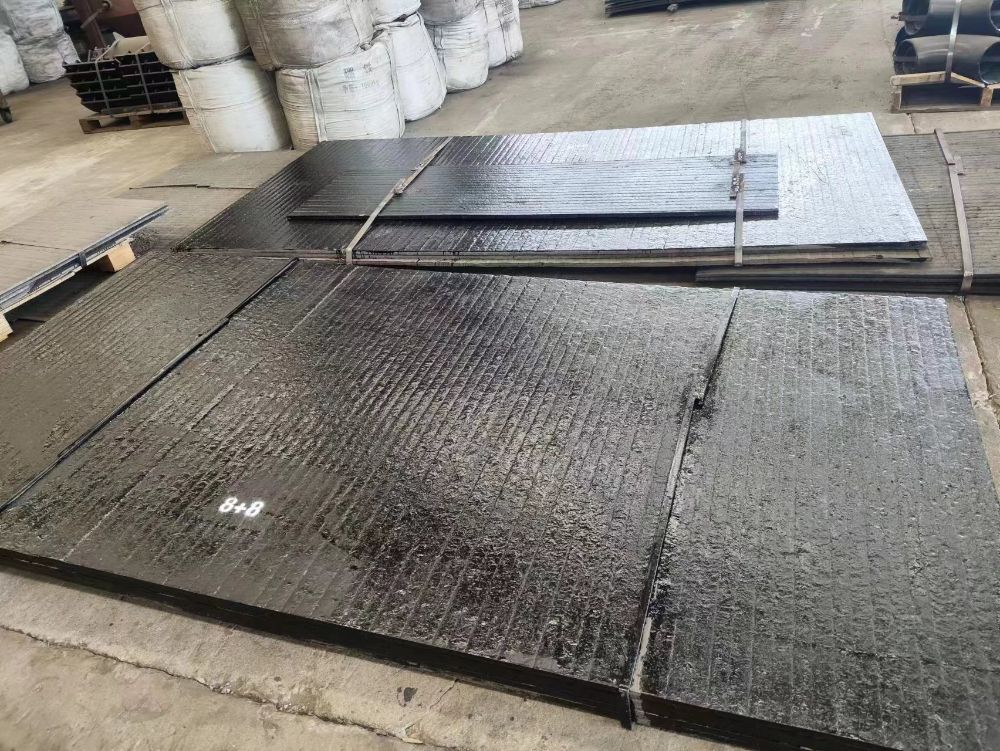
A certificate stamped in another country rarely tells you how a mill handles rush orders, humidity swings, or a sudden raw material shortage. Truly qualifying an overseas operation means looking past the audit reports and asking how they behave when nobody is watching. We look for signs of overloaded shifts, unplanned maintenance logs, and the kind of small deviations that paperwork tends to flatten out.
The most useful evidence often sits in the margins: how incoming coils are tagged, whether die changeover times match what was claimed, and whether line supervisors can explain their own rejection rates without reaching for a binder. When those details line up with the written certifications, the mill earns a different kind of trust, one built on observed practice rather than completed checklists.
That is the difference between a supplier who passes a one-time audit and a partner who can hold tolerances across seasons, shifts, and shipping lanes. Paperwork opens the door, but only repeated, unannounced walks through the floor reveal whether the process has real muscle behind it.
Spotting Red Flags in Chemical and Hardness Reports
A hardness spike that appears out of nowhere usually means someone switched source water, skipped a softener regeneration, or let a probe sit uncalibrated. Before you trust the number, pull the previous two or three reports and line up the trend. Legitimate shifts rarely happen in isolation—look for matching movement in TDS, alkalinity, or chloride. If hardness doubles while everything else stays flat, treat that data point as suspect.
Missing units or oddly precise values are another tell. A good lab report will never list hardness as just "120" without specifying mg/L, grains per gallon, or another unit. Likewise, a value like 142.857 mg/L suggests someone copied an unrounded conversion rather than running a fresh titration. When you see this level of false precision, call the lab and ask for the raw bench sheet.
Also watch for reporting that contradicts basic chemistry. For example, a very low pH paired with high alkalinity rarely makes sense, and a near-zero hardness reading from a well known to produce scale is worth questioning. The best reports include method codes, collection times, and analyst initials. Absence of those fields isn't automatically a problem, but it should make you pause before relying on the result.
Budgeting for Freight, Duties, and Unforeseen Surcharges
A freight quote rarely reflects the final amount you'll pay. Ask your forwarder to break down every line item—terminal handling charges, documentation fees, fuel surcharges—before you commit. Otherwise, those 'small' add-ons arrive as a single lump sum on the invoice and wreck your margin.
Duty rates vary wildly depending on the HS code you use. Misclassifying a product can mean paying 5% instead of 12%, or triggering an audit later. Work with a customs broker early, get the correct classification in writing, and build the exact percentage into your unit cost.
Even the best-planned shipment hits surprises: port congestion fees, detention charges because a truck was late, or a currency swing. Add a contingency line of 10–15% on top of your landed cost. It's not pessimism; it's how you keep a single late container from wiping out the profit on the whole order.
Structuring Orders to Avoid Costly Shipping Surprises
Shipping surprises usually start with a simple mismatch between how items are packed and how carriers bill for space. If you lump a lightweight but bulky lamp with a dense set of hand weights, the combined carton can jump into a higher dimensional weight tier or trigger an oversized fee that neither item would incur alone. Splitting that order into two separate shipments sometimes costs less than the single box rate, especially when one piece fits a flat-rate service and the other doesn't.
Another frequent trap is ordering items that sit in different warehouses without checking fulfillment origins first. A single checkout can turn into three packages from three locations, each with its own base charge and residential surcharge. Before confirming, check the product page or cart summary for ship-from details, and group items that originate from the same facility. Even shifting one item to a different seller or SKU can cut the number of parcels without changing what you receive.
For anything crossing a border or exceeding standard dimensions, ask for a landed-cost estimate before paying. Customs brokerage, remote area fees, and tailgate delivery add-ons often appear only on the final invoice. A quick call or chat with the vendor about how they structure multi-piece orders can reveal whether splitting into two smaller boxes avoids a courier's large-package surcharge or whether combining everything under a freight quote is cheaper than parcel rates.
Building a Repeatable Sourcing Playbook for Wear Plate Imports
A sourcing playbook that actually gets reused across quarters doesn’t come from a one-off supplier spreadsheet. It starts with locking down the technical envelope: hardness ranges (typically 400–500 HBW for common wear plates), impact toughness at low temperatures, and flatness tolerances that your fabrication shop can live with. Once those specs are frozen, every quote request goes out with the same data sheet, so mills in different regions aren’t guessing at what “good” means.
The next layer is decision logic that survives personnel changes. Map out your approved origins, their typical lead times, freight modes, and duty rates under current trade rules. Then set thresholds—if landed cost swings more than 8% between two qualified suppliers, you re-run the full audit rather than chasing the cheaper quote. That kind of rule keeps purchasing from drifting back to ad hoc buying when someone new takes over the desk.
Finally, build in a quarterly calibration step. Track not just price per ton, but mill test certificate accuracy, on-time departure rates, and how often a batch gets flagged at incoming inspection. Feed those numbers back into the playbook as weighted scores. Over time, the playbook becomes less of a document and more of a living filter that pushes repeatable, defensible sourcing decisions without needing a hero buyer to make them.
FAQ
Start with the actual end-use requirements rather than the grade name. Two suppliers can both label a plate "NM400" or "Hardox 450" but deliver different hardness ranges, impact values at low temperature, and flatness tolerances. Ask for the full mill test certificate and compare the guaranteed values against the conditions the plate will face: abrasion, impact, or sliding wear. If the application involves cold climates, request Charpy impact results at the relevant temperature, not just room temperature.
A portable rebound or Leeb hardness tester is enough for a rough field check, but don't treat it as a pass/fail for the whole shipment. Take readings on a clean, flat area after removing mill scale, and average at least five points per plate. If you need enforceable proof, insist on a third-party inspection before loading, with the inspector using a calibrated bench hardness tester on samples cut from the actual production batch, not a demo piece.
Require a mill test certificate (EN 10204 3.1 or 3.2) that shows heat number, chemical composition, mechanical properties, and the plate dimensions. For critical orders, a 3.2 certificate validated by an independent inspection agency adds a layer of accountability. Also ask for a packing list that matches plate numbers to heat numbers so you can trace any rejected plate back to a specific heat rather than losing the whole shipment.
Many buyers focus only on the plate itself and ignore how bundles are blocked and secured inside the container. Wear plates are heavy, so if they shift during ocean transit, edges get gouged or the bundle straps snap. Specify edge protectors, lateral wooden dunnage, and steel strapping. If plates are over 10 mm thick and shipped in open-top containers, confirm the crane lifting points are marked and the plates are layered with enough dunnage to avoid rust trapping between wet surfaces.
The HS code depends on whether the plate is flat-rolled alloy steel or non-alloy, and whether it has undergone further processing like cutting or beveling. A slightly different code can shift the duty rate by several percentage points. Work with a customs broker to classify the exact product before ordering, and include the duty, port charges, and inland freight in your comparison. Don't compare FOB prices alone; two offers with the same FOB price can differ by 10% or more on landed cost.
It is almost always worth it for a first-time supplier or for orders above a certain value, say 50 metric tons. The inspection should cover dimensional tolerances, surface defects like laminations or cracks, hardness testing on sampled plates, and verification of heat numbers against the mill certificate. Send your own inspector or hire an agency with experience in steel products, not a general cargo surveyor. A good inspection can catch a mismatch before payment is released and before the plates are stuck at your port.
If a price is far below the market range, look for missing elements: lower hardness tolerance, thinner minimum thickness, no impact test, no mill certificate, or a vague delivery schedule. Some sellers quote a base grade and then charge extra for documented properties that standard mills include. Ask for a detailed technical offer with the same specification for all suppliers, and compare the total cost including shipping, customs, and likely rejection risk. A plate that fails on arrival costs more than the initial savings.
Payment terms can be more valuable than a small price cut. Try to shift from full prepayment to 30% deposit with the balance against a copy of the bill of lading or after inspection. Ask for free edge trimming or cut-to-length if your fabrication shop charges for that. Also negotiate a tolerance clause: if the delivered hardness or thickness falls outside the agreed range, who pays for return freight and replacement? Clear responsibility clauses often save more than a 2% price reduction.
Conclusion
Global buyers who treat wear plate specs as gospel often learn the hard way that thickness, hardness, and chemistry numbers only tell part of the story. Dig into the fine print for heat treatment details, impact test temperatures, and delivery condition—some mills quietly soften plates to ease cutting, which hurts field performance. Beyond paperwork, make a shortlist of overseas mills and check their actual rolling capacity, furnace controls, and export history. A mill audit that includes watching a pour or checking ultrasonic test logs beats any brochure. When reviewing chemical and hardness reports, look for suspiciously tight ranges, missing trace elements like boron or titanium, or hardness values that cluster near the minimum—these can signal batch blending or over-optimistic sampling.
Freight and duties rarely appear on the proforma invoice, yet they can swallow 15–25% of landed cost. Get quotes for breakbulk versus container shipping, ask about port congestion surcharges and demurrage, and build a buffer of at least 8–10% for unexpected charges. To avoid nasty surprises, structure orders with clear Incoterms, specify tolerance limits for plate dimensions and surface defects, and stagger shipments rather than sending one large batch. Finally, turn these lessons into a repeatable playbook: keep a running scorecard of suppliers, update your spec checklist after each order, and review actual landed costs against budgets. That discipline separates buyers who get consistent wear plate quality from those who gamble on every container.
Contact Us
Contact Person: Zoe Liang
Email: [email protected]
Tel/WhatsApp: 86 189 2128 6299
Website: https://www.jycomat.com