
How to Export Threaded Reinforcing Bar Sockets for Construction Projects
2026-10-20
Exporting threaded reinforcing bar sockets for construction projects seems easy on paper—until you realize that a single missing inspection certificate can hold up an entire shipment at the port. Sinou has built its export workflow around the real-world friction points: thread tolerance checks, anti-corrosion packaging, and customs-ready documentation. In this post, we'll walk through the steps that separate smooth cross-border delivery from costly delays, based on years of shipping these components to sites worldwide.
Which Thread Standard Does the Project Actually Require?
A lot of jobs stall at the fastener bin because nobody checked whether the mating part was cut to ISO metric or Unified threads. The two are close enough to fool you on a quick glance, but the flank angles are different, and forcing one into the other wrecks both. If the existing hole or stud is original equipment, don't guess—use a thread pitch gauge and a set of thread wires or a known good nut as a go/no-go check. Thirty seconds at the bench beats rebuilding a stripped housing.
Beyond the basic metric-versus-inch split, the actual requirement often comes down to availability and what the surrounding parts were designed around. Air and hydraulic fittings usually follow BSPP, BSPT, or NPT, while lead screws and clamps may call for ACME or trapezoidal threads. If you're working from a drawing, look for the thread callout first; if there isn't one, match whatever the original component used, even if it means ordering a less common tap or die. Swapping to a different standard just because it's in stock tends to create more rework than it saves.
What Happens When Your Test Certificate Doesn't Match the Batch?
A mismatch between the test certificate and the batch number is not a clerical inconvenience—it is a signal that your traceability chain has broken. When the certificate references a different batch than the one on the container, it means you cannot prove that the material inside was tested under the same identity, specifications, and conditions you are relying on for release. Regulators treat this as a data integrity failure, not a typing error. In many cases, the shipment will be placed on hold immediately, and every lot that shares the same certificate template or issuing operator may be pulled back for re-verification. The cost of quarantine, retesting, and delayed production often far exceeds the cost of fixing the documentation before it leaves the warehouse.
Beyond the internal halt, the mismatch erodes the trust that your customers and auditors place in your quality system. A buyer receiving a certificate for Batch A while the drum says Batch B will question whether other documents—such as cleaning logs, raw material receipts, or stability data—are equally unreliable. In contract manufacturing or supplier qualification, a single certificate mismatch can trigger a formal supplier corrective action request, additional on-site audits, or removal from an approved vendor list. Once that reputation is damaged, winning back procurement confidence takes months of flawless performance, not a single corrected PDF.
Operationally, you may be forced to make an impossible choice: either reject the entire batch as nonconforming, or invest in identity testing and full retest of the affected containers to demonstrate equivalence. The second path is rarely straightforward, because methods may require revalidation if the original certificate cannot be trusted as a reference. In the meantime, production lines may sit idle, and downstream batches that already used the questionable material may need to be assessed for recall. The safest habit is to treat certificate-batch matching as a release criterion with the same weight as assay or moisture—not as an afterthought for the shipping clerk.
How Do You Keep Couplers Rust-Free in a Salt-Spray Container?
Keeping couplers rust-free inside a salt-spray container starts with choosing the right material. Stainless steel grades like 316 or duplex alloys hold up far better than carbon steel, but even they need a barrier against constant chloride exposure. A thin coat of marine-grade anti-seize or a dry film lubricant on threads and sealing faces works wonders, preventing direct metal-to-moisture contact. Just make sure the coating is compatible with the coupler seals, as some greases can swell O-rings over time.
Beyond coatings, think about where the couplers sit inside the container. Suspending them from a non-metallic rack or using closed-cell foam blocks keeps them off the floor where salty runoff pools. For long-term storage, vacuum-sealed barrier bags with a small desiccant pack offer the best protection, but if you need frequent access, a tight-fitting plastic cap on each end combined with a light spray of rust inhibitor after every use is more practical.
Regular inspection beats any product. At least once a month, wipe down a sample coupler with a clean rag and look for any pitting or orange staining near the ball bearings or locking grooves. If you find early rust, switch to a heavier-duty inhibitor and improve drainage inside the container by propping the lid open on dry days. Small habits like that extend coupler life far longer than relying on a single spray-and-forget treatment.
Is Your Pallet Strong Enough for a Forklift's Second Pass?
Warehouse floors can be tough on pallets, and the first forklift pass is rarely the one that causes trouble. A pallet rated for 2,500 pounds might survive that initial lift without a complaint, but the jarring second pass—when the forks slide in, tilt back, and bounce over a threshold—puts stress into places the original design barely considered. Wood fibers separate, hidden checks open up along the stringers, and top deck boards start to flex in ways that don't show up until a load shifts.
Before you send that pallet back through the line, look at the bottom side, not just the top. Run a hand along the notched areas where the forks enter; if you feel fresh splinters or see gaps wider than a quarter inch, the second pass could turn into a dropped load. Check for dark staining that signals moisture-weakened wood near the fasteners, and give the pallet a quick corner-to-corner twist. A strong pallet should feel solid under that twist, not spongy. Even a small split near a stringer notch can grow fast once a forklift hits it again at speed.
Who Pays for Demurrage When the Shipment Sits in Port?
Demurrage kicks in once containers linger beyond the free time granted by the shipping line, and the party responsible for footing the bill typically shifts with the terms of sale. Under common Incoterms like FOB or CIF, the buyer generally becomes responsible for import-related costs once the goods are loaded on board or arrive at the destination port, so if a shipment sits because the consignee hasn't completed customs paperwork or arranged pickup, the buyer ends up paying. However, if the seller failed to provide correct documents or the carrier delayed discharge due to its own operational problems, the cost might be pushed back to the seller or even absorbed by the carrier.
In practice, the invoice for demurrage almost always goes to the party named on the bill of lading as consignee or notify party, which is frequently the buyer or their customs broker. Many buyers get surprised by these charges when their cargo is held for inspection, missing permits, or port congestion beyond their control. That's why experienced importers negotiate free time extensions before the containers arrive or include clear clauses in the sales contract assigning demurrage liability to whoever caused the delay. Without such clauses, the shipping line simply holds the container and charges accrue until someone pays to release it.
Why Do Some Buyers Come Back While Others Disappear?
Repeat buyers rarely return because of discounts or loyalty points. More often, they come back because the entire experience felt frictionless—their preferences were remembered, the delivery matched the promise, and when something went wrong, the fix was fast and uncomplicated. The buyers who disappear usually did not have a single dramatic problem. They dealt with a series of small, repeated letdowns: a late shipment with no heads-up, a return process that required three emails, a question that sat unanswered for days. None of these feels catastrophic alone, but together they teach the buyer that staying is more effort than leaving.
Emotional memory outlasts transactional memory. A customer might forget the exact size they ordered or the date of purchase, but they will remember how the interaction made them feel. Silence after payment signals that the relationship ended at checkout. Generic promotional blasts only reinforce that impression. In contrast, a seller who follows up with practical tips, checks in once without pushing for a second sale, and makes it easy to reach a real person on the next order is far more likely to be chosen again. It is not about being memorable through theatrics; it is about being reliably human.
There is also a quieter reason buyers vanish: their circumstances change, and the seller does not notice. A new schedule, a tighter budget, a different need—these shifts happen constantly. If the seller keeps recommending based on an old snapshot of the customer, the buyer feels unseen. Light, ongoing conversation that treats the buyer as a moving target rather than a fixed profile helps return visits feel natural. When staying feels effortless and being understood is consistent, coming back stops being a decision and becomes a habit.
FAQ
They remove the need to overlap long lengths of rebar, which cuts down congestion in heavily reinforced sections and speeds up assembly. The threads are rolled or cut to match the bar ends, so load transfer is mechanical rather than relying on concrete bond.
Usually ISO 15835 for mechanical splices, along with regional codes like ACI 318 or Eurocode 2. Buyers often ask for test reports covering slip, tensile strength, and cyclic loading, not just a material certificate.
Request actual bar samples from the buyer or use a reference profile from the mill certificate. A go/no-go gauge set for the specific thread form is more reliable than visual checks, and it's worth keeping records of pitch diameter measurements.
Rust prevention is the main concern. Use VCI paper or a light oil coating inside sealed bags, then pack in wooden crates or steel pallets that can withstand port handling. Clearly label the thread size, grade, and batch number on each carton.
Some countries classify them under steel construction parts, while others treat them as accessories for rebar. A detailed packing list with HS code, material grade, and stated end use helps avoid delays. Certificates of origin and mill test reports should match the commercial invoice exactly.
Provide data from cyclic or low-cycle fatigue tests, not just static tensile results. Many seismic codes require the splice to survive a certain number of reversed load cycles without excessive slip, so having a third-party test summary ready builds trust.
Quick replacement of any non-conforming batch, plus technical guidance on installation torque and thread protection on site. Some buyers also want a local contact or distributor for smaller follow-up orders.
Most projects need standard grades like 40 or 60 (or B500B) sockets, so a wide size range matters more than exotic materials. However, offering a higher-strength option for heavy civil work can open doors to larger contracts without complicating inventory too much.
Conclusion
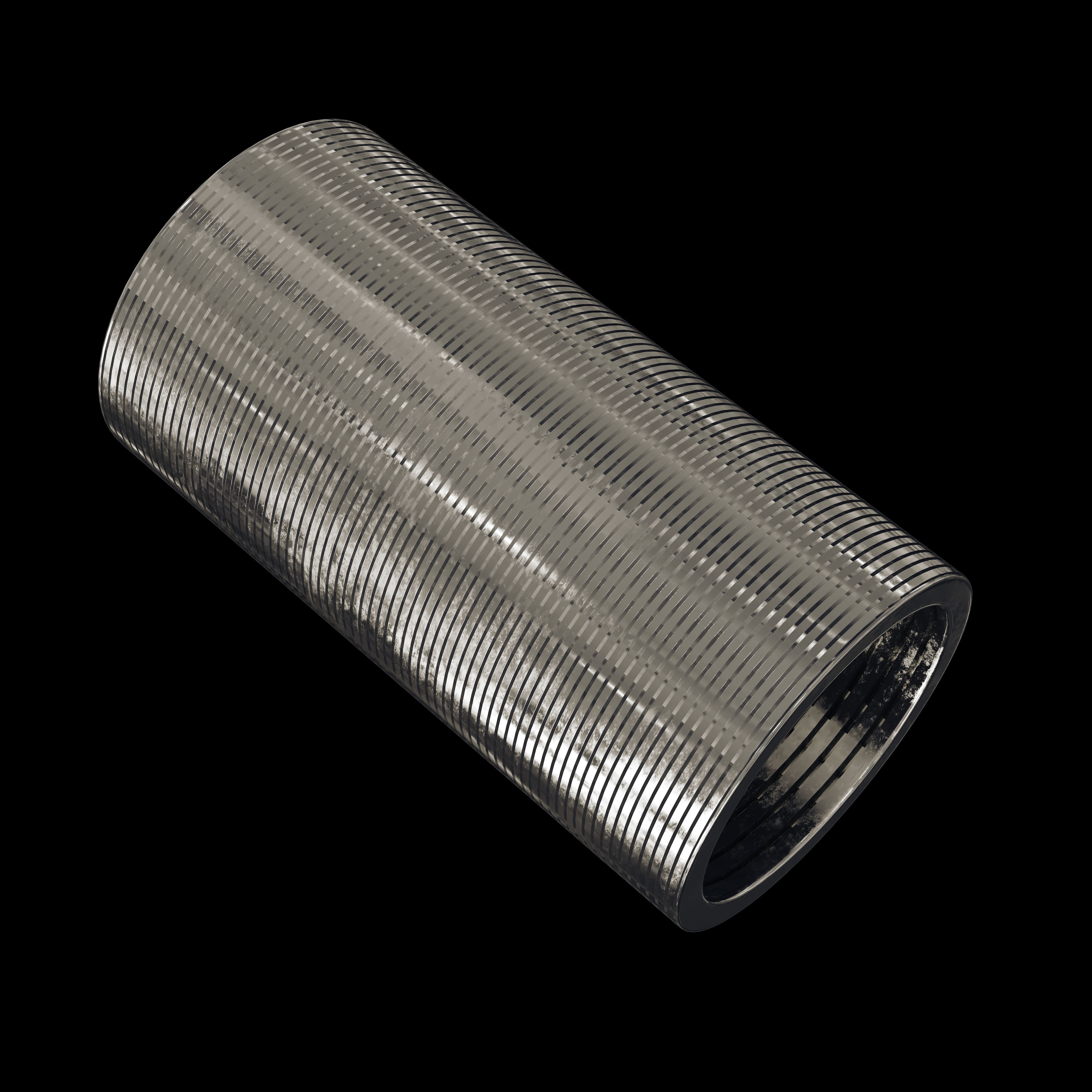
Exporting threaded reinforcing bar sockets for construction projects starts with nailing down the actual thread standard the site demands—ISO, DIN, or a regional variant—because a mismatch here will stall customs before the couplers ever reach the pour. Once that’s locked, batch-level traceability becomes the quiet dealbreaker: a test certificate that doesn’t align with the heat numbers on the bars invites rejection, even if the steel itself is sound. You also need to think like a freight forwarder, not just a manufacturer. Couplers packed in a salt-spray container will arrive with surface rust unless you switch to VCI packaging or a heavy oil film, and your pallet design has to survive a forklift’s second pass—split stringers or thin top boards turn a loaded container into a safety claim before it leaves the yard.
Beyond the physical shipment, real export success hinges on who owns the waiting time. Demurrage charges at the destination port can eat your margin if the Incoterms and payment terms don’t clearly assign the risk—many first-time exporters learn this only after the invoice arrives. Then there’s the quieter factor: repeat buyers don’t come back because the couplers were “good enough.” They return when the thread engagement is consistent, the documentation matches the pallet labels, and you answer a shipment query before the port agent escalates it. The exporters who disappear from a buyer’s list are usually the ones who treated the order as a one-off transaction instead of a supply-chain relationship. Get the small logistics right—thread spec, rust prevention, pallet strength, demurrage clarity—and the larger trust builds itself, batch after batch.
Contact Us
Contact Person: HaiYan
Email: [email protected]
Tel/WhatsApp: +86 18957325588
Website: https://www.senyoubeton.com/