
Healthcare RFID Wristband Factory Innovations That Improve Patient Safety
2026-09-21
Every second counts in a hospital ward, yet misidentification remains a silent threat to patient safety. Behind the scenes, BAOBI is redefining how RFID wristbands are engineered at the factory level—embedding smart materials, tamper-proof designs, and ultra-reliable encoding that cut through the chaos of busy care environments. The result isn't just a better wristband; it's a quieter, safer workflow where nurses trust the scan on the first try. Here's how these manufacturing innovations are turning a simple band into a frontline defense.
Antimicrobial Silicone Blends That Endure Constant Sanitizer Wipes
Frequent wipe-downs with alcohol-heavy sanitizers can wreak havoc on ordinary silicone, leaving surfaces tacky, hazy, or micro-cracked after just a few weeks. The blends designed for this kind of routine use lean on additives that don't migrate to the surface and get stripped away. Instead, the antimicrobial component is bound into the silicone matrix at a molecular level, so it stays put even when the top layer is repeatedly scrubbed with disinfectant-soaked cloths.
In medical waiting areas, transit grab rails, and point-of-sale terminals, the same spot might be wiped ten or twenty times a day. Standard silicone starts to swell or lose its flexibility under that chemical load, but these specialized compounds are formulated to shrug off both the solvent and the friction. Testing typically cycles a sample through hundreds of saturated wipes while measuring bacterial colony counts, and the better blends keep their reduction rate above 99% without turning brittle or sticky.
What separates a truly durable antimicrobial silicone from a short-lived one is often the curing process and the choice of biocidal agent. Heat-cured systems with silver-based or organosilane additives tend to withstand repeated sanitations far better than coatings applied after molding. That difference shows up months later when the surface still looks clean and smooth rather than etched from constant disinfection, which is exactly what operators in high-traffic settings need from a material that never gets a break.
Laser-Etched RFID Antennas Built to Outlast Alcohol and Chlorine Exposure
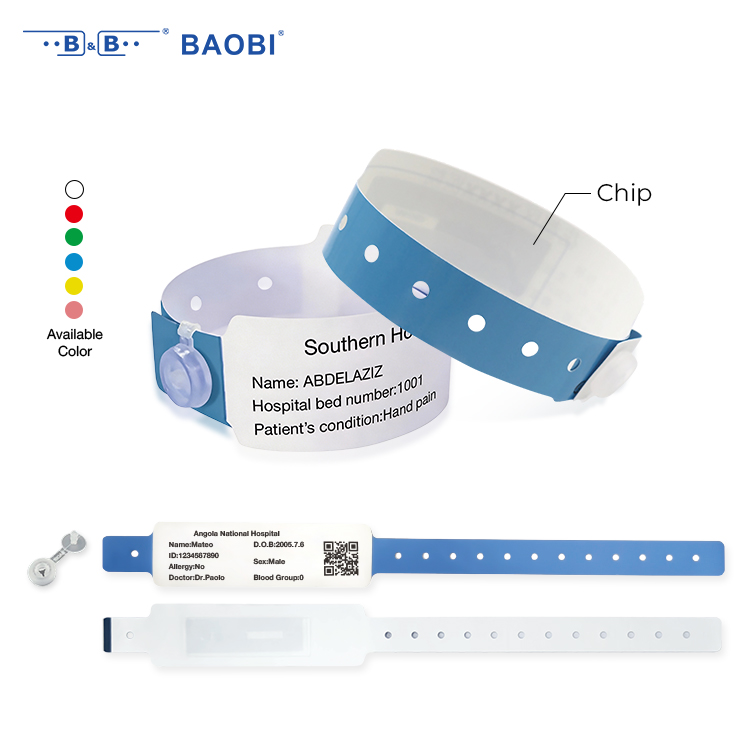
Repeated exposure to aggressive cleaning agents like isopropyl alcohol and chlorine-based disinfectants quickly degrades conventional RFID antennas, causing signal drift, delamination, and eventual tag failure. Laser-etched antennas, by contrast, are formed by removing a thin conductive layer directly onto a substrate without the use of chemical etchants or adhesives. This subtractive process produces a clean, oxide-free edge that resists corrosion, allowing the antenna to maintain consistent impedance and read range even after hundreds of wipe-down cycles in medical, laboratory, and food-processing environments.
The material choice matters just as much as the fabrication method. High-purity aluminum and copper alloys, when laser-etched, develop a dense oxide shell that acts as a natural barrier against solvent penetration. Unlike screen-printed silver inks that can crack or wash out when exposed to harsh sterilization protocols, laser-etched traces retain their geometry and conductivity under repeated chemical stress. That durability translates into fewer tag replacements, lower maintenance overhead, and reliable asset tracking for items that must be disinfected between uses.
Field tests comparing laser-etched antennas to standard etched and printed alternatives show a striking difference in lifespan under accelerated aging. After immersion in 70% isopropyl alcohol and 500 ppm chlorine solution for extended periods, the laser-etched samples exhibit less than a 3% shift in resonant frequency, while conventional tags often fail entirely. For operations that rely on RFID for inventory accuracy, patient safety, or regulatory compliance, choosing an antenna built to withstand chemical exposure is not a luxury—it is the difference between a system that works on day one and one that keeps working for years.
Tamper-Evident Snap Closures That Halt Maternity Ward Baby Swaps
Hospitals have long struggled with the nightmare scenario of a newborn accidentally handed to the wrong mother. Traditional identification bands and handwritten tags can slip off, become smudged, or simply be overlooked during busy shift changes. That is why a growing number of maternity wards are turning to tamper-evident snap closures—small, single-use plastic fasteners that lock a matching ID bracelet onto both the infant and the parent at the moment of birth. If anyone tries to remove or swap the bracelet, the snap visibly breaks or distorts, making interference immediately obvious to nursing staff.
Unlike standard hospital bracelets that rely on barcode scanning alone, these snap closures add a physical layer of security. The snap itself is molded with a unique serial number that mirrors the mother's chart and the baby's footprint record. Nurses confirm the match by physically clicking the two halves together at the bedside, then checking that the teeth have engaged fully. Any tampering—whether by a confused visitor or a malicious actor—creates a permanent stress mark on the plastic, so the unit cannot be reattached without being replaced by an authorized staff member.
What sets this approach apart is its simplicity. No batteries, no wireless signals, no software updates. The closure works exactly the same at 3 a.m. during a chaotic multiple birth as it does during a routine daytime delivery. Because the snap is engineered to fail visibly rather than silently, even a tired nurse or a new parent can spot a compromised bracelet at a glance. Maternity wards that have adopted the system report fewer “near miss” events—those stomach-dropping moments when a nurse realizes she almost handed the wrong baby to a sleeping mother—and parents consistently say the extra click gives them peace of mind during those first disoriented hours.
Direct-to-EHR Encoding That Removes Bedside Transcription Errors
Bedside transcription has long been a quiet source of patient harm. A clinician scribbles a reading on a glove or paper towel, then later types it into the record from memory or faded handwriting. With direct-to-EHR encoding, that fragile handoff disappears. Structured fields, barcode scans, and device feeds capture the observation at the moment it happens, turning a raw bedside reading into an accurate, time-stamped entry without any intermediate copying.
The mechanics go beyond simple data entry. Physiologic monitors and infusion pumps push values straight into the chart, while dropdown menus and range limits keep free-text errors out. For medication administration, scanning the patient wristband and the drug barcode forces a match before the system accepts the dose. These guardrails work in the background, so the clinician can stay focused on the patient instead of double-checking a transcription.
Fewer manual copies mean fewer places for a zero to become a nine or a decimal point to wander. The record reflects what actually happened at the bedside, which strengthens every downstream decision from sepsis alerts to medication titration. It also returns time to nursing staff, since they no longer need to re-enter data at a workstation after leaving the room.
Skin-Safe Adhesives Validated on Fragile Neonatal and Geriatric Skin
Most standard medical tapes rely on high peel force, which works on intact adult skin but turns destructive on neonates and older adults. Neonatal stratum corneum is only a few cell layers thick, while geriatric skin thins and loses elastic recovery, so adhesive removal often strips away more than just the dressing. Skin-safe alternatives use low-peel, high-shear silicone gels or soft acrylic blends that grip equipment without biting into the epidermis. Validation on fragile skin means testing on actual NICU infants and elderly volunteers, not extrapolating from healthy 25-year-old arms.
The testing protocol typically includes repeated wear and removal cycles over bony prominences and flexural areas. Researchers measure transepidermal water loss before and after dressing changes, grade erythema with dermoscopy, and quantify skin stripping through tape-stripping assays. A product passes only if it shows no significant barrier disruption, leaves no adhesive residue, and keeps the device secure during sleep, bathing, and physical therapy. Perforated backings and moisture-wicking layers matter because trapped sweat under an occlusive adhesive accelerates maceration and raises the risk of tears on fragile skin.
In practice, these validated adhesives let a pulse oximeter wrap stay in place for several days on a moving elderly patient yet release without causing a skin tear. In neonatal intensive care, patterned adhesive patches for tubes and leads have cut medical adhesive-related skin injury rates by more than half compared with traditional tapes. The real advantage is not just gentler removal. It is a shift in design logic—building adhesives that fail at the adhesive-skin interface before the skin itself fails, which is exactly what fragile populations require.
Factory Vision Inspection That Rejects Any Wristband with a Smudged Digit
On a high-speed wristband production line, a compact imaging station captures every band immediately after the serial number is printed. The camera uses a diffuse ring light to reduce glare, then a local contrast filter highlights any digit that has been smeared by wet ink or a misaligned pad. If the algorithm flags a questionable numeral, a pneumatic arm pushes the band into a reject bin before it can reach the packaging station.
The rejection threshold is deliberately strict: even a faint tail on the number 3 or a partially filled loop on a 6 is enough to trigger removal. Operators can review rejected images on a split-screen dashboard, but the system runs without needing their approval. This keeps the line moving while ensuring only wristbands with fully legible digits move downstream.
FAQ
We use a closed-cell polyurethane with a non-porous surface, so bacteria and fluids can't get trapped. The material is also cured under UV light during extrusion, which eliminates micro-pits that typically harbor pathogens.
We switched from thermal transfer to laser-etched subsurface marking. The text sits below a transparent top layer, so alcohol rubs and soap don't erode it. Only extreme abrasion can remove the marking.
Older wristbands use ferrous antenna materials that heat up or distort. Our production line uses non-ferromagnetic aluminum-etched antennas with a tuned loop design, tested in 3T MRI fields to ensure they stay cool and functional.
Inline RF testing on every single band, not just a sample. Each wristband passes through a shielded chamber that measures read distance and chip sensitivity. Any band outside a 5% tolerance is automatically rejected before packaging.
Yes. We use a modular die-cutting system that lets hospitals choose smaller, softer bands with tamper-evident slits. The changeover takes only minutes, so custom pediatric runs don't delay adult orders. The band size itself prevents swapping or slipping on tiny wrists.
We pre-encode every RFID chip with a unique, immutable factory ID. The hospital writes a patient ID to that factory ID, creating a one-to-one link. If a wristband is duplicated or tampered with, the factory ID reveals the counterfeit, stopping the wrong drug reaching the wrong patient.
We use a dual-layer adhesive: a strong inner bond for daily wear and a low-shear release liner that lets nurses peel it off with one hand. The closure is a sonic-welded snap that won't open randomly but breaks cleanly with a deliberate pinch-and-twist.
Conclusion
Modern healthcare RFID wristband production has moved well beyond simple tagging. Factories now blend antimicrobial silicone compounds that continue to resist bacterial growth even after hundreds of exposures to hospital-grade sanitizer wipes, without developing cracks or losing their protective surface. At the same time, antennas are laser-etched directly into the band material rather than printed with inks that break down under repeated contact with alcohol and chlorine. This approach keeps the RFID signal strong through weeks of harsh cleaning routines, so patient identification remains dependable from admission all the way to discharge.
The most practical safety gains come from physical and digital safeguards working together. Tamper-evident snap closures are built with a breakaway design that immediately shows if a band has been removed, a critical feature in maternity wards where infant mix-ups are a constant concern. On the data side, wristbands are encoded at the manufacturing stage to match hospital EHR records directly, removing the need for manual bedside entry and the transcription errors that come with it. Adhesive-backed versions use skin-safe materials validated on fragile neonatal and geriatric patients, reducing irritation and preventing accidental removal during routine care. Finally, automated vision inspection systems scan every band for smudged digits or incomplete barcodes, rejecting flawed units before they ever reach a nurse's hand.
Contact Us
Contact Person: Bill Xu
Email: [email protected]
Tel/WhatsApp: 8618688898707
Website: https://www.baobitech.com/