Geomembrane Liner Supplier Insights: How to Choose High-Quality Geomembranes for Your Project
2026-08-04
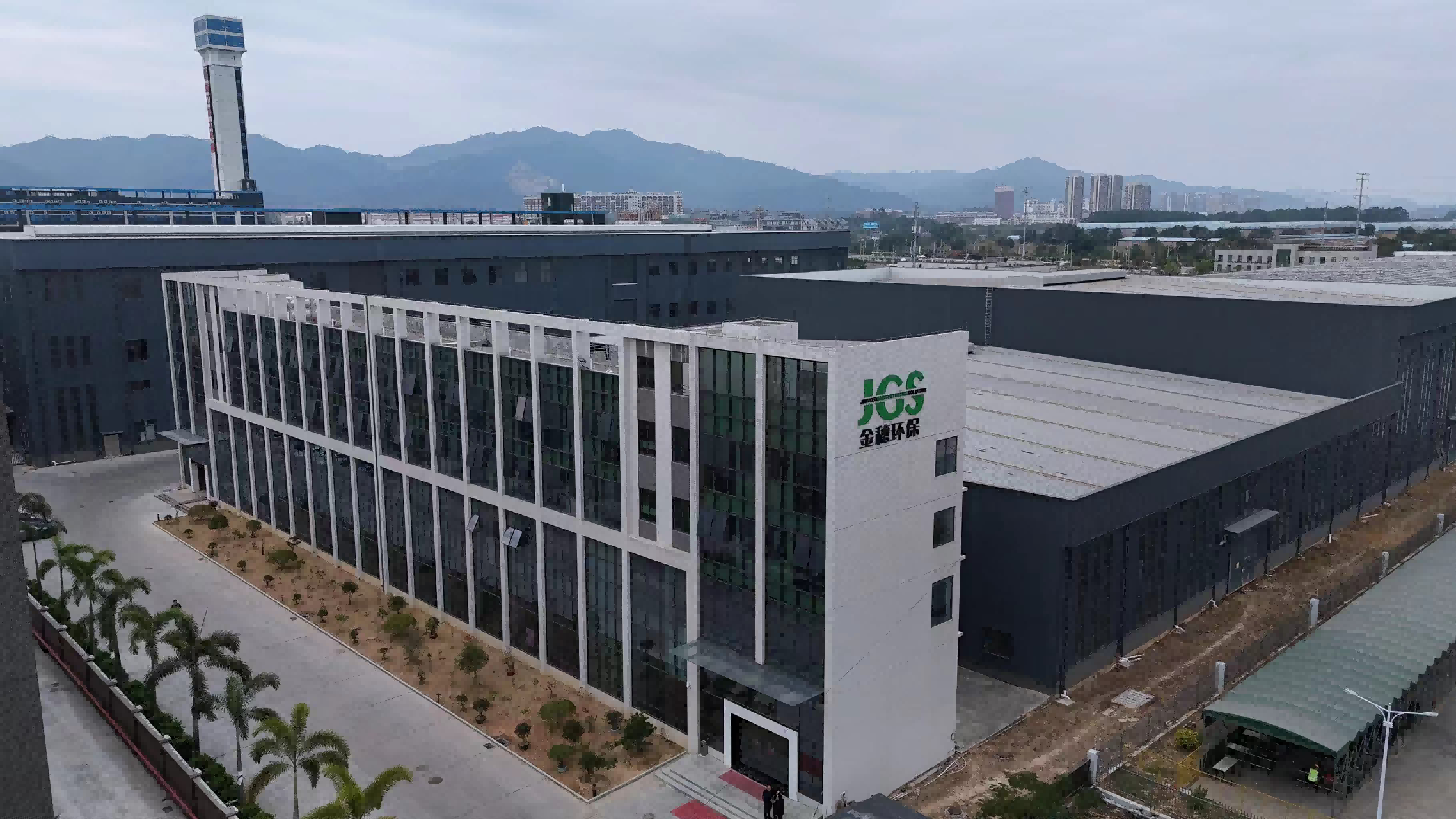
Selecting a reliable geomembrane liner is critical to the success of containment projects, yet with so many suppliers making bold claims, it’s easy to feel overwhelmed. Whether you're lining a landfill, pond, or mining facility, the quality of the material directly impacts long-term performance and environmental safety. In a market flooded with options, understanding what truly sets premium geomembranes apart is essential. This article draws on insights from Jinseed Geosynthetics Solution to help you navigate the selection process with confidence and avoid costly mistakes.
What Separates a Reliable Geomembrane From the Rest?
The reliability of a geomembrane often boils down to the integrity of its raw materials. Top-performing liners are produced from prime virgin resins, specifically designed to withstand prolonged exposure to UV radiation, chemicals, and temperature swings without becoming brittle or leaching harmful substances. Cheaper alternatives may contain recycled content or inconsistent polymer blends that compromise tensile strength and flexibility, leading to premature failure in critical containment applications.
Manufacturing consistency is another separator. A trustworthy geomembrane maintains uniform thickness across every square meter, free from pinholes, gels, or undispersed carbon black that can become weak points under stress. Advanced extrusion processes and real-time monitoring catch these flaws before the liner ever reaches a jobsite. Pair that with thorough factory audits and on-site trial welding, and you get a product that installers can sear with confidence, day after day.
Finally, long-term field performance separates the exceptional from the merely adequate. Reliable geomembranes prove their worth through decades of service in demanding settings—landfills, mining ponds, or wastewater facilities—without cracking, tearing, or losing barrier properties. Independent certifications like GRI-GM13 and case histories from similar projects offer tangible proof, giving engineers the data they need to specify with certainty rather than relying on hollow marketing claims.
Material Choices That Actually Hold Up on Site
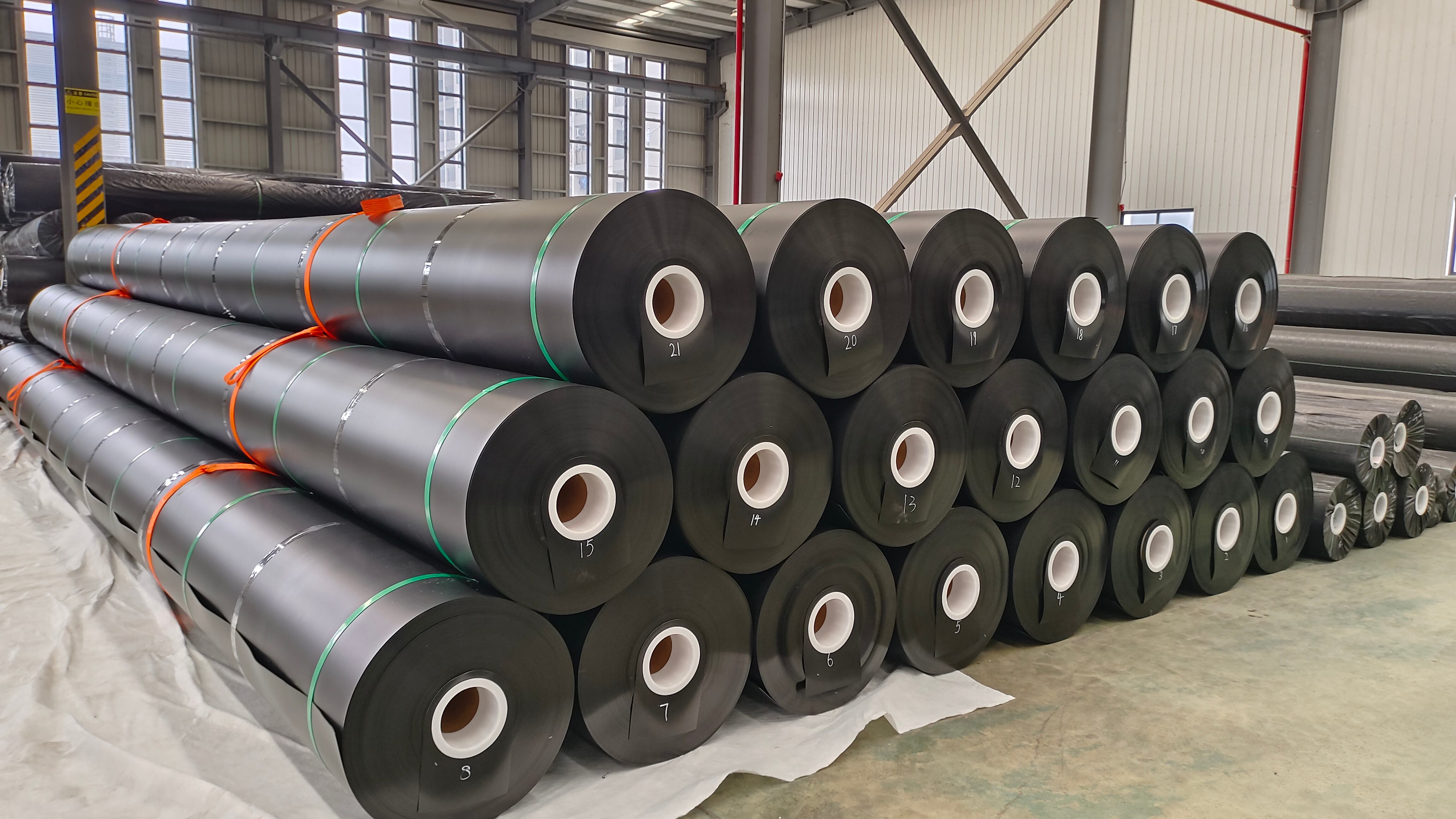
A spec sheet can promise high performance, but the true test of any material comes the moment it’s unloaded on a muddy, chaotic job site. Too many products fail not because of inherent flaws, but because their tolerances can’t survive the bumps, dust, and hurried handling typical of real construction. Choosing materials that actually hold up means looking beyond controlled lab tests and understanding how they behave when stacked in the rain, cut with less-than-perfect tools, or walked on before proper curing.
Consider exterior-grade plywood versus a fiber cement panel. While both claim durability, the plywood might delaminate after a week of unexpected moisture, whereas the fiber cement can sit exposed without warping or rotting. Similarly, some luxury vinyl tiles chip easily during installation if the subfloor isn’t absolutely flawless, while a well-made porcelain tile shrugs off dropped tools and heavy foot traffic from day one. The key is to prioritize materials with a proven track record of resilience—those that can take a hit and still perform, reducing costly reorders and callbacks.
Veteran contractors often keep a mental shortlist of go-to products that have earned their trust: dense natural stone that doesn’t stain despite rain, metal flashing with coatings that don’t scratch off under a utility knife, or engineered beams that arrive straight and stay that way. These materials typically share one trait—they were designed with the messiness of the build phase in mind, not just the polished finished look. When clients push for untested trendy options, a frank conversation about long-term performance versus on-site fragility can save everyone headaches down the road.
How to Spot Quality Without Relying on Lab Sheets
Quality often reveals itself through details that lab sheets never capture. Start by engaging your senses and intuition. Look for consistency in texture, color, and aroma—these subtle clues often speak louder than numbers. For instance, when evaluating coffee beans, a uniform roast and rich fragrance hint at careful processing that no chemical breakdown can fully convey. The way a material feels in your hand, the balance in a sip of wine, or the clean finish of a ceramic glaze can tell you more about craftsmanship than any certificate. Train yourself to notice what’s absent too: off-notes, uneven seams, or harsh undertones are red flags that data might overlook.
Context is another powerful lens. Instead of isolating the product, consider the story behind it. Who made it, and under what conditions? Small-scale artisans often embed their values into every piece, whether it’s a hand-stitched garment or a wheel-thrown mug. Visit local markets, ask questions, and observe the maker’s passion—it’s a quality indicator that no spreadsheet can quantify. Similarly, how does the item age? A well-crafted leather bag develops a patina that deepens over time, while poorly treated materials crack and fade. This long-term perspective shifts the focus from instant specs to enduring character.
Finally, lean on community wisdom and your own experience. Conversations with knowledgeable enthusiasts, whether in forums, workshops, or tasting groups, can sharpen your eye. They’ll point you to subtle hallmarks: the sound a well-tempered knife makes, the spring in a properly fermented sourdough, or the seamless joinery in a solid wood table. Over time, your own comparisons build a mental library of benchmarks. By merging sensory observation, backstory, and shared insight, you cultivate a knack for spotting quality that’s uniquely human—and far more reliable than any single test result.
When Thickness and Flexibility Don’t Tell the Full Story
We often judge a material by how thick or thin it feels, assuming that heft equals durability and a gentle bend signals weakness. Yet these surface-level traits can be deeply misleading. Some of the toughest composites are surprisingly slender, while a pliable structure might outlast a rigid one by absorbing stress instead of resisting it. The real story lives in the interplay of composition, design, and purpose—elements that don’t announce themselves to a quick pinch or a casual fold.
Consider a high-performance fabric: it might feel impossibly light, yet it shrugs off abrasion and tearing that would shred a denser material. That’s because strength is often about how fibers are woven, not just their bulk. Similarly, flexibility isn’t a sign of frailty—it can be an engineered advantage, letting a material adapt to forces that would snap a stiffer alternative. To understand what something can truly endure, you need to look past the immediate sensory cues and into the science that shapes it.
Why Installation Factors Into Your Liner Selection
Liner selection often focuses heavily on material resistance charts and chemical compatibility tables, but a flawless material choice can still fail if it can’t be properly installed in your environment. The physical demands of fitting a liner—whether it’s a spray-applied coating, a sheet membrane, or a custom-fabricated drop-in—directly influence its long-term reliability. Tight access, complex geometries, and site conditions can turn a theoretically superior product into a logistical nightmare, leading to wrinkles, voids, or poor adhesion. Every installation variable, from ambient humidity to the curing time required before service, imposes limitations that must be weighed alongside chemical performance.
Beyond the initial fit, installation methods shape the liner’s defect profile and how it behaves under stress. For example, a trowel-applied system might be forgiving on uneven substrates but introduces variation in thickness that can create weak points. In contrast, a prefabricated liner offers consistent thickness but demands precise measurements and skilled welding at seams—if those seams are poorly executed, the liner becomes a patchwork of potential leak paths. Even the orientation of installation matters: vertical or overhead surfaces require materials with high green strength or special anchoring, limiting viable options. Considering installation isn’t just about feasibility; it’s about ensuring the installed liner performs as promised, without compromise.
Ultimately, the marriage between liner selection and installation practicality determines total project risk. Installers’ familiarity with a system, equipment needs, and safety constraints can drive cost and timeline more than the material price tag. A liner that demands stringent surface preparation may be unworkable if the structure can’t withstand abrasive blasting, while one that requires a controlled climate might be impossible on an open job site. By evaluating installation from the outset, you avoid the trap of choosing a liner that looks perfect on paper but crumbles under real-world application conditions. Smart selection acknowledges that the best liner is not only one that withstands the contained medium but also one that can be effectively integrated into its intended environment.
Supplier Red Flags That Experienced Buyers Never Ignore
When vetting a new supplier, seasoned buyers look beyond the glossy catalog and pay close attention to subtle signs that something might be off. One of the first red flags is inconsistent product quality, especially when samples look flawless but subsequent orders drift in finish, materials, or dimensions. Reliable suppliers maintain tight quality controls, so any variation—no matter how minor—signals potential trouble ahead. Another early warning is a supplier who avoids transparency, such as refusing to share factory audit reports, certifications, or even a live video walk-through of their facility. Genuine partners are proud of their operations and won’t hesitate to prove it.
Communication patterns also reveal a lot. If a supplier takes days to reply to simple queries or dodges direct questions with vague promises, it often hints at larger organizational chaos. Experienced buyers notice when a contact person changes frequently without explanation; it can mean internal instability or that you’re simply dealing with a trading agent who has no real control over production. Another classic red flag is the unrealistic price—quotes that are 30% or more below market average almost always compromise on materials, labor conditions, or hidden surcharges that surface later. Savvy buyers know that a “great deal” often becomes the most expensive mistake.
Finally, logistics and compliance should never be an afterthought. A supplier who can’t provide a clear production timeline with milestones, or repeatedly shifts ship dates, is likely overcommitted or disorganized. The same goes for those who bristle at third-party inspections or try to limit your quality checks to a single, supervised sample batch. Missing or forged certifications, especially for safety or environmental standards, are non-negotiable deal-breakers. Experienced buyers build long-term relationships on trust and verification, and they walk away the moment a supplier treats due diligence like an inconvenience.
FAQ
Focus on chemical resistance, tensile strength, elongation at break, and puncture resistance. Request compatibility test data for the specific chemicals you will contain, not just generic certifications. High-quality HDPE often outperforms LLDPE in aggressive environments, but flexibility matters too. Always verify long-term performance under your operational temperature range.
Thickness depends on the subgrade condition, stress loads, and service life expectancy. For typical pond liners, 1.0 mm to 1.5 mm is common, but landfills or areas with sharp rocks may require 2.0 mm or more. Don’t rely solely on minimum specs—evaluate site-specific puncture and tear propagation risk through trial installations.
Seam quality is paramount. Even a high-grade liner fails if welding is poor. Insist on certified installers and non-destructive testing of every seam. Subgrade preparation is equally critical—remove sharp objects, compact properly, and consider a geotextile cushion in rocky terrain. Wrinkles and bridging during deployment also create stress points, so temperature and laying technique matter.
Ask for third-party test reports from accredited labs, not just manufacturer’s statements. Look for adherence to GRI-GM13, ASTM, or EN standards relevant to your project. Request resin certification to confirm the polymer source. A trustworthy supplier will offer traceability from raw material to finished roll, and may even allow on-site sampling during production.
UV stabilizers, like carbon black in HDPE, slow degradation but don’t stop it entirely. For long-term exposed installations, ensure the liner contains at least 2-3% carbon black dispersed uniformly. Some white or reflective surfaces also reduce thermal expansion. Always ask for accelerated weathering test results to estimate realistic service life under your local sunlight intensity.
Low-cost options often use lower-grade resins, recycled content, or insufficient stabilizers. This can lead to brittle failure, stress cracking, or premature degradation. Request resin certification and check for consistency across rolls. Cheaper liners might also have inconsistent thickness or poor dimensional stability. Saving upfront can lead to repair costs many times higher if the liner fails early.
Conclusion
Choosing a geomembrane liner that genuinely performs over the long haul isn't about ticking boxes on a spec sheet—it's about understanding what separates materials that hold up on site from those that don't. Beyond the basic claims of thickness or flexibility, a reliable liner starts with resin selection and manufacturing consistency. The best suppliers openly discuss their raw material sources and use only virgin, high-grade polyethylene with tight control over carbon black dispersion and antioxidant packages. On the ground, these choices translate into liners that resist stress cracking under uneven subgrades and stay chemically inert when exposed to aggressive leachate or process fluids. Practical experience shows that quality is often visible in small details: a uniform surface without gels or pinholes, consistent roll dimensions, and responsive technical support that doesn't vanish after delivery. If a supplier can't explain how they manage thermal history or why their liners exhibit low oxidative induction time drift over time, it's a signal to look elsewhere.
Installation reality should never be an afterthought. Even the most advanced liner will struggle if it doesn't pair well with field seaming methods and project-specific deployment plans. Welding characteristics, for instance, vary significantly between materials, and a supplier who insists their product always welds easily without asking about your ambient conditions or contractor experience hasn't faced real-world morning dew on the liner or dusty slopes. Equally telling are the red flags that veterans in the industry learn to spot early: batch-to-batch inconsistency, reluctance to share welding parameter windows, or vague claims about longevity without reference to site-specific chemical compatibility. True quality emerges when thickness and flexibility are considered alongside multi-axial stretch resistance and long-term durability under actual service loads. Ultimately, the best supplier relationships are built on transparency, where the conversation goes beyond test certificates to include challenging site histories and honest discussions about limitations—because that's what leads to liners that genuinely protect your project for decades.
Contact Us
Contact Person: Jerry Qiu
Email: [email protected]
Tel/WhatsApp: +65 84265294
Website: https://www.jinseed-geo.com