
Gear Turbo Air Compressor: A Practical Guide to Selecting the Right Model
2026-07-26
Selecting the right gear turbo air compressor can make or break your operation. Too little power and you're left with downtime; too much and you're burning cash. At Seize Air, we've seen it all. This practical guide cuts through the noise, helping you match the perfect model to your needs — without the guesswork.
Why Gear-Driven Technology Gains an Edge in Industrial Settings
In heavy-duty industrial environments, downtime isn’t just inconvenient—it’s measured in lost revenue. Gear-driven systems thrive where continuous operation matters, delivering power with a mechanical reliability that belts and pulleys can only envy. The interlocking teeth ensure that torque transfers directly and predictably, avoiding slippage even when dust, oil, or temperature swings would compromise friction-based alternatives. That direct engagement means less frequent adjustments and fewer surprise failures, which is why seasoned maintenance teams often push for gear reducers on mission-critical lines.
Efficiency plays a quieter but equally important role. A well-machined gear train can achieve over 95% energy transfer per stage—a figure that holds steady across a wide range of loads, unlike variable-frequency drives which can dip in efficiency when running off-peak. In a plant where multiple motors run round the clock, this consistent performance shaves a noticeable chunk off the power bill. It also generates less waste heat, reducing the cooling demands that other high-performance transmissions struggle with. Over time, that thermal stability protects lubricants and seals, letting engineers push service intervals further apart without risking a core component.
Space constraints often seal the decision. Gearheads pack high reduction ratios into a compact footprint, giving machine builders the freedom to design tighter, more agile automation cells. There is no need for huge diameter sheaves or lengthy chain loops; a single inline planetary gear set can replace a tangled web of components. This simplicity scales beautifully—whether it is a food processing conveyor or a massive steel rolling mill, the same basic principle holds. And because gears can be ground from hardened alloys, they withstand shock loads that would snap a timing belt or stretch a chain, retaining their precision well into the millions of cycles.
Pinpointing the Right PSI and CFM Without Overcomplicating It
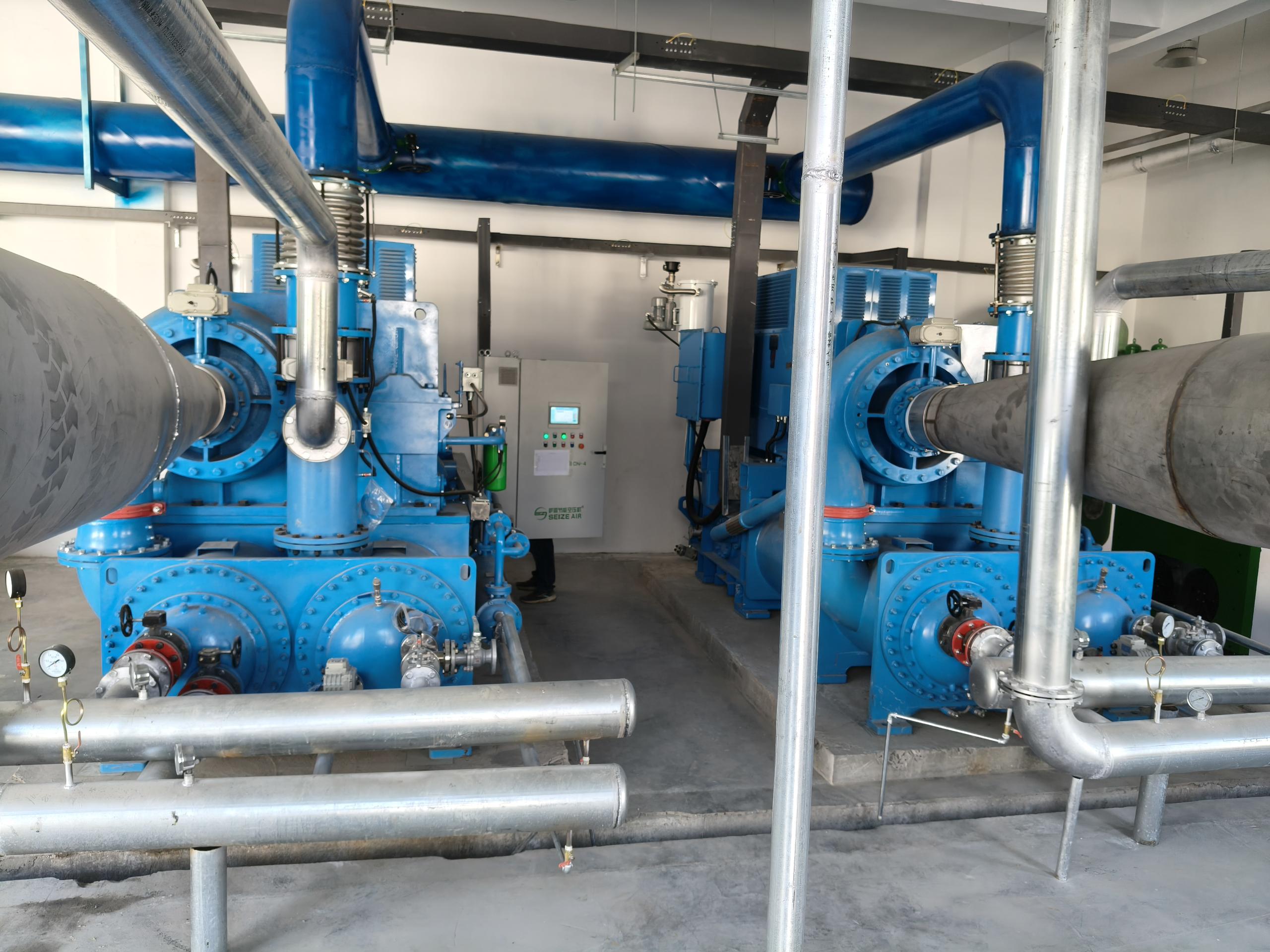
Figuring out the right PSI and CFM doesn't have to involve a tangle of formulas or guesswork. Think of your tool's needs as a simple appetite: CFM is how much air it wants to eat, and PSI is how forcefully that air needs to be served. Most tools have their requirements stamped on a nameplate or in the manual—start there instead of trying to calculate from scratch. If you're dealing with multiple tools, don't overthink it: just note the highest CFM you'll need simultaneously and the PSI rating of the most demanding tool, then add a 20–30% buffer to your compressor's output to avoid running it at its limit all day.
A common pitfall is mixing up average and actual usage. Tools like sanders or grinders might list a modest CFM on paper, but they often need a continuous flow that can strain a smaller compressor. Instead of chasing peak numbers, pay attention to the duty cycle—the percentage of time the compressor can run without overheating. For home workshops, a compressor with a 50–75% duty cycle is usually plenty, and you can finesse the tank size to smooth out spikes in demand. A larger tank acts like a cushion, buying you time between cycles and letting you get away with a slightly smaller pump.
When in doubt, lean toward a little more air than you think you need. A compressor that's constantly gasping to keep up wears out faster and leaves you waiting. But don't go overboard either—massive industrial units are overkill for tasks like inflating tires or running a finish nailer. Match the machine to your reality, not your ego, and you'll hit that sweet spot where the work flows without breaking the bank or your patience.
Hidden Energy Drains and How a Turbo Air Compressor Sidesteps Them
It’s startling how much compressed air never reaches the point of use in a typical system. Leaks, pressure drops from undersized piping, and wasteful idling all chip away at efficiency. Even a small 3mm hole can hemorrhage thousands of dollars annually in electricity, while fixed-speed compressors running unloaded still consume up to 35% of full-load power. These hidden drains aren’t always obvious on the plant floor, but they silently inflate operating costs month after month.
Turbo air compressors take a fundamentally different approach to this problem. Their integrated direct-drive design eliminates the transmission losses of belts and gears, while dynamic speed control matches output precisely to demand—no more idling overhead. Because they operate at higher inherent efficiencies across a broad range, even the subtle losses from cooling air bypass and condensate removal get minimized. Some units recover nearly 95% of their electrical input as useful compressed air power, turning what used to be waste into a genuine competitive edge.
Keeping Decibels Down While Ramping Up Output
Quiet efficiency isn’t a contradiction—it’s a design challenge that more manufacturers are tackling head-on. By rethinking airflow paths and swapping out older fan systems for variable-speed alternatives, engineers have found ways to push production speeds higher without the usual wall of noise. These adjustments don’t just cut decibels; they often reveal energy savings hiding in plain sight, since less acoustic turbulence usually means less wasted motion.
On the assembly line, small changes cascade into noticeable differences. Dampening materials tucked into equipment housings, smarter motor controllers that soften ramp-up, and even strategic placement of noise-reflecting surfaces can all keep output climbing while the sound level stays flat. The real trick is catching resonance points early with simulation tools and then treating them before the first physical prototype ever runs. That approach sidesteps the tired trade-off where more throughput inevitably meant more ear protection.
There’s a cultural shift happening too. When floor managers stop treating noise as a badge of productivity, teams start valuing clearer communication and lower fatigue. The result is often a workspace where operators pick up on subtle machine cues they’d otherwise miss—and that alone can prevent downtime better than any scheduled maintenance plan.
Build Materials That Actually Extend Your Compressor’s Lifespan
Most compressors fail not from overwork, but from materials that quietly give up under the daily grind of pressure, heat, and vibration. The difference between a machine that wheezes to a halt in three years and one that hums along for a decade often comes down to what it’s built from. Start with the cylinder body—cast iron is the old faithful, soaking up vibration without cracking, while cheap aluminum often warps just enough to let compression slip past the rings. For valves, stainless steel isn’t just a buzzword; it shrugs off the corrosive moisture that eats through lesser alloys, keeping the intake and exhaust cycles sharp far longer than you’d expect.
Then there are the seals and bearings, the unsung heroes that take a beating every time the piston moves. Nitrile rubber is fine for a hobbyist’s garage, but if your compressor sees real duty, look for fluorocarbon or PTFE seals that won’t swell or harden when exposed to hot, oily air. Bearings matter too—bronze bushings might be silent for a while, but needle roller bearings laugh at the side-loads that turn lesser setups into rattling scrap. Even the fasteners deserve a second glance; zinc-plated bolts might look shiny on a shelf, but corrosion-resistant coatings like Dacromet keep things tight and leak-free in damp environments where ordinary hardware would seize up.
It’s not just about picking premium materials at random, but matching them to the conditions your compressor actually faces. If you’re in a coastal area, salt-laden air demands more than a splash of paint—look for epoxy coatings on the tank internals and external surfaces treated with heavy-duty primers. For high-cycle operations, heat-resistant alloys in the valve plate and discharge tube prevent the slow softening that eventually leads to cracking. Even the tubing connections benefit from a materials-first mindset: compression fittings with brass inserts and a stainless steel grip ring outlast simple push-to-connect plastic by years, simply because they don’t relax their hold when the workshop gets muggy. The goal isn’t to over-engineer, but to remove the weak points that quietly dictate your compressor’s expiry date.
Portable Power or Permanent Fixture: Making the Call
Deciding between a portable power station and a permanently installed backup system comes down to how you live and what you’re protecting. If you need electricity that moves with you—whether it’s from the garage to a campsite or across a job site—portability is non-negotiable. These compact units slide into daily life without any mounting, permits, or electrician visits. The trade-off is capacity: most portable models deliver enough to keep essentials running for hours, not days. They shine in short outages or outdoor adventures, but they’re not designed to take over an entire home’s electrical load indefinitely.
A permanent fixture, on the other hand, becomes part of the house. It’s wired into the breaker panel, often with an automatic transfer switch, so it can feed circuits selectively or power everything, depending on its size. Installation is upfront work—it requires professional setup, space on a wall or concrete pad, and usually a natural gas or propane line—but the payoff is seamless, long-duration backup. You don’t lift a finger when the grid goes down; the system senses the loss and kicks in within seconds. That kind of integration makes it the better match for frequent or extended blackouts, medical equipment, or households where being away during an outage isn’t an option.
There’s also a middle ground that’s worth considering: high-capacity portable units with 240V output and home integration kits. These can mimic some of the convenience of a fixed system—running a well pump or a central air conditioner—while still being detachable for trips or relocation. The real call comes from honestly assessing your power must-haves versus nice-to-haves, your typical outage patterns, and how much hands-on management you’re willing to accept. Neither choice is a one-size-fits-all solution, and the best setup often blends the two: a hardwired system for the house paired with a smaller portable unit for mobility and extra runtime when needed.
FAQ
Many buyers fixate on horsepower or price and ignore the duty cycle. If you plan to run your tools nonstop, you need a compressor built for continuous operation, not just peak bursts. Check the manufacturer’s runtime rating—it will save you from burnout down the road.
Add up the CFM requirements of all tools you might use simultaneously, then multiply by 1.5. That gives you a buffer so your compressor isn’t struggling. Remember, impact wrenches and sandblasters eat up air, so always overestimate a bit.
It depends on what you value. Gear drives usually offer higher efficiency and a smaller footprint since there's no belt slip or adjustment needed. But they can be louder and less forgiving if something goes wrong internally. For industrial settings, they often come out ahead in power delivery.
Regular oil changes are non-negotiable—dirty oil wrecks the gears fast. Also, inspect the air filter weekly in dusty environments, and drain the tank after each use to prevent rust. If you hear any unusual whining from the gearbox, stop and investigate before it becomes a rebuild.
You can, but weather protection is a must. These compressors generate heat, so you need airflow, but direct rain or snow will kill electrical components. A simple roof and open sides work better than a fully enclosed shed unless you add ventilation.
The difference often lies in the internals: gear quality, bearing type, and cooling design. Cheaper units might use straight-cut gears that wear faster and run louder. Premium models use helical gears and better intercooling, which boosts longevity and consistent air output. You pay now or pay later.
If your air demand fluctuates a lot, variable speed can cut your power bill significantly. But for a small shop with one or two guys, a fixed-speed unit with a big tank often does the job fine at a lower upfront cost. Figure out your typical usage pattern before splurging.
Conclusion
Gear turbo air compressors have steadily gained traction in demanding industrial environments, primarily because their direct-drive mechanism curtails energy loss far more effectively than belt-driven alternatives. Instead of fussing over pulley alignments and tension adjustments, facilities can rely on precision-cut gearing that spins the airend at exactly the right speed, minimizing slippage and wasted power. This inherent efficiency becomes even more appealing when you start pinpointing the exact pressure and flow requirements for your shop floor—no guesswork, just a clear-eyed look at the tools you run and the continuous CFM they demand. A gear-driven unit holds steady at the rated PSI without the droop that plagues lesser compressors, so you’re not compensating for pressure drop by oversizing, which quietly drains your energy budget.
Beyond raw performance, these machines tackle two perennial headaches: runaway noise levels and premature component wear. Integrated enclosures, combined with the meshed gears’ smooth power transfer, knock decibels down substantially, letting you place the unit closer to workstations without overwhelming conversations or triggering fatigue. On the durability front, it’s the little things that count—cylinder liners cast from high-grade ductile iron, stainless steel valves, and oversized bearings that laugh off heat cycles. These build choices directly translate into longer service intervals and a compressor that still hits its numbers years down the line. And whether you’re hauling it across job sites or bolting it to a mezzanine, the footprint and mounting options give you genuine freedom. A portable gear-driven model with a sturdy frame and integrated tank delivers consistent power wherever you park it, while a stationary setup can be hardwired into plant air nets with thermal protection that automatically adjusts to ambient conditions. The takeaway is simple: by focusing on drive technology, honest performance figures, and construction quality from the get-go, you sidestep hidden operating costs and end up with air power that actually matches how you work.
Contact Us
Contact Person: Mia
Email: [email protected]
Tel/WhatsApp: +86 19821985894
Website: https://www.seize-air.com