
Foton 4X2 Day-Old Chicken Truck Solution for Safer Chick Transport
2026-11-24
Hatchery margins are thin, but chick mortality during delivery can erase them fast. The Foton 4X2 day-old chick truck solution is built around one unglamorous goal: keeping ventilation, temperature, and stress under control from loading bay to poultry house. For fleets that treat every box of chicks as a perishable, high-value load, the right chassis and body combination matters more than horsepower. KANGMU TRUCK has been putting that principle into practice, matching the Foton 4X2 with day-old chick transport setups that hold up when the weather and the clock both turn against you.
The Real Risk Is in the First Few Miles
The opening stretch feels routine, so attention drifts. A cold engine, underinflated tires from an overnight temperature drop, or a cargo shift that hasn't fully settled can all hide in those first few miles. Long before fatigue becomes a factor, the vehicle is still waking up—fluids are thick, brakes haven't warmed, and rubber hasn't flexed enough to grip the way it will later.
That early confidence is exactly where the hazard sits. Drivers often check mirrors and straps once they've been on the road for an hour, but the first set of turns, merges, and stops puts more stress on unproven adjustments than a straight highway run ever will. A small leak, a loose coupling, or a misjudged tire pressure wears into something serious before the first fuel stop.
Treating the first few miles as a live test changes the pattern. Short, deliberate checks after the first five or ten minutes—heat around hubs, brake response, the sound of the load shifting—catch what a pre-trip inspection can't fully predict. The danger isn't the distance ahead; it's the short window where everything is still proving itself.
Climate Control That Matches the Load, Not the Weather
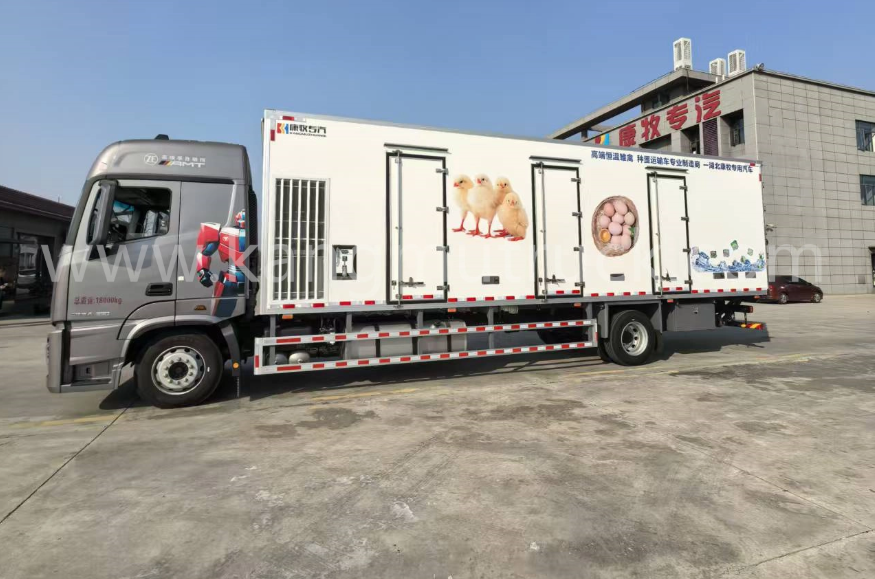
Most HVAC systems are designed for the hottest afternoon and the coldest night, then forced to run at partial throttle the rest of the year. The result is wasted electricity, short cycling, and a space that never quite feels settled. Load-matching flips that logic: instead of reacting to outdoor temperature, the system reads real-time indoor demand, occupancy, and equipment output, then stages or modulates only as much as the building actually needs.
This approach treats comfort as a dynamic condition rather than a fixed setting. On a mild winter morning, the system might run at a fraction of capacity for longer, gentler cycles, avoiding the blast of hot air that overshoots and then shuts down. On a humid afternoon with a full room, it shifts airflow and coil temperature to pull moisture without overcooling the space. The equipment works less, lasts longer, and keeps the indoor environment more stable.
The practical payoff shows up in quieter operation, lower energy bills, and fewer hot and cold zones. Because the system rarely slams from full speed to off, there is less duct noise, less temperature swing, and less wear on compressors and fans. Load-matching is not a single gadget but a way of linking sensors, controls, and variable-speed components so the machine answers the room, not the weather report.
Airflow That Reaches Every Crate in the Stack
Getting air to move through every crate in a tall stack is trickier than it looks. The top boxes dry out while the bottom ones stay damp, and the middle layers can trap humidity that turns into mold before anyone notices. The real fix isn't just more airflow—it's consistent, low-turbulence movement that reaches the tight gaps between wooden slats without blasting the labels off or shaking the stack loose.
Most standard setups push air from one side and call it done. But that leaves dead zones behind the crate corners and along the back row, especially when stacks are packed close together. A better approach is to angle the supply vents slightly downward and space return grilles at alternating heights. This creates a gentle rolling current that finds its way into the crevices, pulling moisture out of the wood instead of just skimming the surface.
We also found that crate orientation matters more than fan speed. Rotating every other layer by ninety degrees opens up micro-channels between the slats, giving the air a path through the stack rather than around it. Combined with modest velocity—enough to disturb the boundary layer but not enough to whistle—the airflow reaches crates that previously stayed damp for weeks. The result is even curing, fewer rejected batches, and a stack you can break down without prying apart swollen joints.
Why the Foton 4X2 Chassis Suits Fragile Cargo
The 4X2 Foton chassis rides differently from a typical stiff commercial truck. The front axle carries enough weight to keep steering predictable, while the rear suspension absorbs much of the road chatter before it reaches the load bed. That matters for fragile cargo because vibration, not just hard impacts, causes micro-cracking and loosened packaging over long hauls.
Braking and throttle response are also smoother than expected. The driveline does not jerk when power is first applied, and braking force builds progressively, letting the driver avoid sudden weight shifts. With glass, ceramics, electronics or fresh produce, those small reductions in shock loading add up quickly over a full delivery route.
The lower deck height of the 4X2 configuration means less lifting and fewer awkward load angles during loading. Once secured, cargo sits closer to the frame rails, which keeps the centre of gravity down and reduces body roll on uneven roads. That combination makes the chassis a practical choice when the freight cannot tolerate rough handling.
Biosecurity That Doesn't Slow Down the Day's Runs
Race morning used to mean one more thing to think about: where to line up, whether the person next to you was too close, how long the entry screening might take. At the latest events, the biosecurity layer feels less like a checkpoint and more like a slight breeze. Runners pass under a slim canopy that reads temperature while they keep their stride, and hand sanitizer dispensers are spaced just before the water tables, not as a stop but as a natural reach on the way past.
Most of that quiet adjustment happens before anyone reaches the start. Bibs arrive by mail, start waves are smaller and spread across side streets, and aid stations use wide, low tables with cups already spaced apart so nobody has to cluster. Volunteers place everything on the table and step back. From the runner's side, the morning still unfolds as it should: warm up, find your spot, hear the countdown, run.
Even the finish keeps moving. Medals sit on individual trays near the exit, and runners grab one without breaking their post-race shuffle. It is biosecurity folded into the rhythm of the day rather than stacked on top of it, which means the run itself stays the main event.
Safer Arrivals Show Up in the Flock's Future
A thin morning fog still hung over the restored mudflat when the first plovers dropped in. A year earlier, the same stretch had been crisscrossed by tire tracks and tangled with abandoned netting. Now the arrivals met quiet water and open ground. That shift did more than give the birds a place to rest; it gave them back the margin they need after long flights. Exhausted migrants no longer burned scarce energy dodging vehicles or fighting loose gear, and many left at dusk with full stomachs.
The effect of safer arrivals often appears slowly. Local volunteers began seeing more banded birds return to the same estuary, some for the third season. A flock's future is shaped less by a single successful migration than by the quality of each landing. Juveniles learn routes from older birds, and a first stop that feels secure becomes a place they trust again. When the mudflat stays quiet through the critical weeks, it turns into an inherited waypoint rather than a lucky break.
Shifting weather has narrowed migration windows, so one forced detour can push a flock past the brief pulse of food it depends on. Small restored sites now work as stepping stones, each one shortening the riskiest leg of the journey. Safer arrivals won't be obvious from a single season; they show up later, in higher return rates, more stable pair bonds, and a few more young birds in the next count. That is the future quietly arriving with the tide.
FAQ
Day-old chicks are extremely sensitive, so the body is built around stable airflow and temperature control to keep conditions steady from hatchery to farm.
The cargo area uses adjustable vents and directional fans to push fresh air through every tray without creating cold spots or stale pockets.
Yes, the driver can monitor and adjust the climate system from the cab, which helps hold the narrow temperature range young chicks require.
The 4X2 configuration offers a practical mix of payload capacity and maneuverability, making it easy to handle on rural roads and in tight farm entrances.
The compartment is fitted with racking that holds standard chick boxes securely, reducing movement that can cause crushing during braking or on rough roads.
Smooth, easy-to-wash surfaces and a practical drainage design allow thorough cleaning after each load, lowering the risk of disease carryover.
By keeping temperature, airflow, and ride stability within safer limits, it removes many stress factors that commonly lead to losses during delivery.
Yes, the racking and internal layout can be adjusted to suit different box sizes and delivery routes, so it works for various hatchery needs.
Conclusion
Most losses in day-old chick deliveries are not spread evenly across the journey. They cluster in the first short stretch from hatchery to farm gate, where temperature swings and stacking mistakes do the most damage before birds have settled. The Foton 4X2 setup treats that early window as the main event. Its climate control follows the actual load and the birds' thermal needs rather than chasing outside weather, so the cargo area holds a steady, mild condition even when the day starts cold or turns hot. Airflow is directed through the crate stack instead of just blowing around the box, which keeps the chicks in the middle from overheating while the outer rows stay warm.
The chassis itself is a quiet part of the system but a decisive one. A shorter, well-damped 4X2 platform handles the frequent stops, farm tracks, and tight turns that a larger truck would punish a fragile load with. Biosecurity measures fit into the routine without slowing the day's runs; washable surfaces and simple loading sequences let the driver move between sites without cutting corners. Over a full batch, those small differences add up. Chicks that arrive alert, hydrated, and unstressed tend to start feeding sooner, and that early vigor carries through the flock's later growth and uniformity. In this kind of hauling, the payoff is not a dramatic feature but a quieter result - fewer first-day losses and a more even start for every box on the truck.
Contact Us
Contact Person: Shen Zhikang
Email: [email protected]
Tel/WhatsApp: 8613908668969
Website: https://www.kangmutruck.com/