
Explosion Proof Electric Heater Maker Selection Tips for Safer Industrial Operations
2026-11-24
Most industrial heating failures don’t start with the heater itself—they start with a maker selection that overlooked one critical detail. In hazardous environments, that detail can mean the difference between controlled heat and a serious safety event. This guide walks through the practical checks that really matter when choosing an explosion proof electric heater supplier, drawing on lessons from Shenzhou Chemical Industry.
Start With the Hazardous Zone Map, Not the Equipment Catalog
Most site teams reach for a vendor brochure because it feels like progress. That instinct tends to invert the real priority. A hazardous zone map tells you where a flammable atmosphere can exist, how often, and for how long. Without that picture, a flameproof enclosure or an intrinsically safe barrier is just an expensive guess.
The map also forces conversations that a catalog never will. You start asking why a pump seal sits two meters from a vent, or whether a poorly ventilated corner really deserves the same rating as the open dock. Those questions change specifications in ways no generic selection table can. Once the zones are fixed, the equipment shortlist practically narrows itself.
This order matters because retrofitting a misclassification is far more disruptive than swapping a transmitter. Rewiring, re-documenting, and re-arguing with inspectors consume weeks. Beginning with the map doesn't slow the project down; it prevents the kind of delay that arrives after the hardware has already been purchased.
Verify Certification Bodies and Markings Against Your Gas or Dust Class
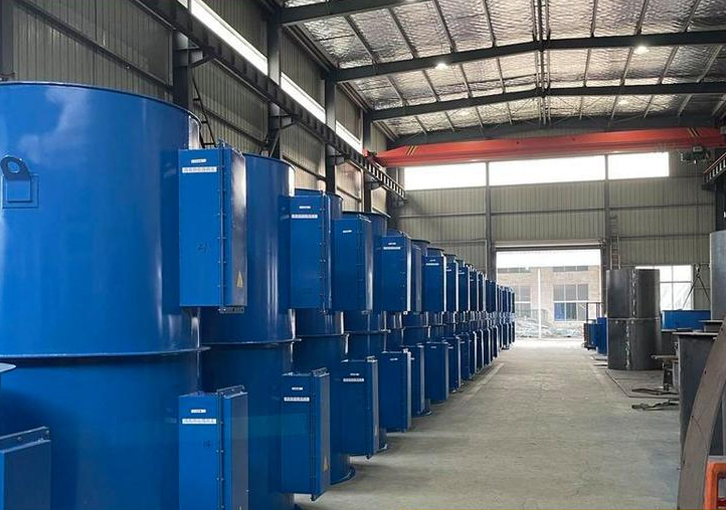
Start with the actual material present, not the equipment’s product description or model name. A unit marked for IIB gas cannot be assumed suitable for hydrogen or acetylene atmospheres, and a device rated for IIIA dust may be inadequate where conductive dust is expected. Compare the zone, group, and temperature class on the nameplate against the site classification before accepting the installation.
Then check the issuing body itself. Some certificates list a test house or notified body that is not recognized for the specific protection concept in your jurisdiction, or whose scope does not cover the equipment category you are installing. Look for the full certificate number and confirm the body’s current accreditation rather than relying on a logo alone.
Pay attention to suffix marks and special conditions as well. An “X” after the certificate number means additional installation limits apply, and these can restrict orientation, fasteners, or ambient range in ways that override generic assumptions. If the marking, certificate, and actual gas or dust class do not line up on all three points, treat the equipment as unverified.
Overheat Protection Design Tells You More Than Wattage Ever Will
Wattage tells you the rate at which a device consumes energy and roughly how much heat it can generate, but it says nothing about how that heat is managed once it leaves the heating element or power stage. A 1500-watt heater with a poorly placed thermal sensor can keep pushing heat until plastic housings soften, while a lower-wattage unit with a carefully mapped airflow path and staged thermal limits may run for years without warping or discoloration. Overheat protection design shows where sensors sit, how fast the device reacts to blocked vents, and whether the safety cutoff resets intelligently instead of simply tripping at a single fixed temperature.
The real value appears under imperfect conditions: dust buildup, a partially obstructed intake, high ambient temperatures, or a bearing that begins to drag. Good protection design accounts for these variables with multiple layers, such as a primary digital limit, a secondary analog thermal fuse, and a throttle curve that reduces output before shutdown becomes necessary. Those details reveal how the product handles sustained load and aging, which wattage alone cannot communicate.
Some designs measure temperature near the hottest component, while others sample air temperature at the exhaust, and that placement changes everything about real-world durability. A device that begins reducing power early may feel less impressive on a spec sheet, but it often lasts longer and keeps internal materials farther from their failure point. Reading the protection design gives you a sense of engineering priorities, thermal margin, and whether the product was built to survive misuse or only to produce a large number on the box.
Look for Material Evidence in Corrosive and Washdown Environments
Start with the nameplate, but don't trust it at face value. A housing may be stamped 316L, yet the mounting ears or hinge pins can be a lower-grade alloy that gives out first. Run a magnet over fasteners and brackets; some "stainless" parts still have enough ferrite to respond, which often points to substitution or surface contamination. In washdown areas, also trace the elastomers. O-rings, cable glands, and door gaskets made from EPDM or FKM behave very differently when exposed to daily chemical foams, and they usually fail before the metal shell does.
Look for physical evidence left by the environment itself. Pitting on horizontal surfaces, rust streaks under bolt heads, and white oxidation around seams tell you where liquid is pooling and where crevice corrosion has started. If the enclosure uses a brushed finish instead of a polished one, pay close attention to the grain lines—they can trap cleaning agents and create shallow channels for moisture to travel. Small blisters in paint or powder coat are another warning sign, because they often mean the coating has lost adhesion and corrosive fluid is moving underneath it.
Ask for test data rather than relying on broad claims. A supplier might say a device is "corrosion-resistant," but the useful evidence is narrower: which specific chemical agents were used, for how long, at what temperature, and whether the rating came from a salt spray test or a real washdown cycle. If the product carries a third-party mark, check the scope of the certification. It may apply to the enclosure alone, not to the assembled sensors, latches, or conduit entries that will be exposed on your line.
Demand Case Histories From Facilities That Mirror Your Operating Conditions
Ask for more than a brochure list. Request case histories from sites that handle similar throughput, temperatures, pressures, or contamination levels—whatever variables actually shape your daily operation. If a vendor hesitates to share names or specifics, treat that pause as information in itself. Real references tend to mention maintenance intervals, unplanned downtime, and the workarounds operators used before the upgrade.
Pay attention to the details that usually get smoothed over in a polished summary. A useful case history will name the facility type, the shift pattern, the ambient conditions, and the exact points where performance improved or fell short. Compare those details against your own line, not against a generic industry average. A close match in one or two critical parameters often reveals more than a dozen loosely related installations.
Spare Parts and Field Engineering Support Can Outweigh the Purchase Price
Spare Parts and Field Engineering Support Can Outweigh the Purchase PriceFAQ
Start with the certification file rather than the sales brochure. Ask for current certificates and match them to the exact hazardous location classification where the heater will run, including gas group, temperature class, and ambient range. A manufacturer that hesitates to share those documents or keeps falling back on the phrase explosion proof without specifics is usually not worth further evaluation.
Request the certificate numbers and verify them with the issuing body. Look for IECEx, ATEX, or North American marks that match the heater's intended region, and check the certificate scope rather than just the cover page. Some certificates cover only a narrow enclosure size or a limited temperature class, which can be easy to miss if the supplier only sends the first page.
In most hazardous settings, yes. Off-the-shelf units often force compromises in airflow, mounting, watt density, or available voltage. A maker that can adjust flange dimensions, terminal layout, element length, and control integration without weakening the certified design gives you a heater that fits the process instead of asking the process to fit the heater. The key is confirming that changes stay within the certified parameters.
Materials determine how the heater behaves over time. In corrosive or high-humidity areas, the sheath and housing alloys need to resist pitting and stress cracking, not just meet a minimum temperature rating. Ask about the specific grade of stainless steel or other alloys, and whether the maker can supply traceability documents for wetted or exposed parts. A lower upfront cost often hides thinner materials or lower-grade alloys that fail earlier in service.
Because hazardous-area experience is hard to fake in a detailed conversation. A factory that has built heaters for refineries, chemical plants, or offshore platforms will usually talk easily about gas groups, corrosion problems, and site conditions. Ask for one or two examples with similar temperature and atmosphere challenges, and listen for specifics such as terminal box sealing, paint adhesion, and support for remote monitoring.
It is often what separates a safe installation from a risky one. The heater should include or be compatible with high-limit controls, sensor placement that reflects real element temperatures, and alarm behavior that fails in a predictable way. Ask how the maker handles overtemperature, what happens if a sensor disconnects, and whether the control logic can be reviewed before purchase. If they cannot explain the control philosophy clearly, that is a warning sign.
Look for spares availability, documentation quality, and access to engineering support after installation. A responsible maker can provide wiring diagrams, inspection instructions, and lead times for replacement elements or gaskets without months of delay. Ask whether they keep records of your configuration and whether their support team can answer technical questions about the certified design years later, not just during the sales process.
Watch for vague answers about classification, certificates that do not match the actual heater model, or pressure to buy a standard unit and modify it on site. Also be cautious if the supplier treats explosion proof as a single universal rating or cannot explain the difference between gas and dust protection. Genuine specialists tend to ask detailed questions about the installation area before quoting.
Conclusion
Too many buyers begin with equipment catalogs and wattage comparisons before they have pinned down the exact hazardous zone classification. That reversal creates expensive mistakes. A smarter selection starts with the site’s zone map—knowing whether the area carries gas, vapor, or combustible dust risks—and then matching certification marks to that specific class and division. Do not assume a generic Ex marking covers every installation; verify the notified body, protection concept, and temperature class against the actual atmosphere. Once the compliance picture is clear, look past wattage. A high-powered heater with weak overheat protection may pass a bench test but fail in service, because airflow loss, sensor drift, or control failure can push surface temperatures beyond safe limits. The design of thermal cutouts, resettable limits, and sensor placement often says more about long-term safety than a wattage rating ever will.
Corrosive and washdown duties expose another layer of risk. Ask for material evidence—sheath alloys, terminal enclosure coatings, gasket compounds, and ingress protection ratings—not just a generic stainless steel claim. Heaters that survive a dry indoor test can degrade quickly under frequent hose-downs or chemical mists. Beyond construction, request case histories from plants with similar operating conditions, including shutdown cycles, ambient swings, and contamination levels. A maker that cannot name comparable installations is asking you to fund its learning curve. Finally, weigh spare parts availability and field engineering support more heavily than purchase price. A lower upfront cost becomes irrelevant if a failed heating element idles a process line for weeks while parts clear customs. Local stock, documentation turnaround, and engineers who understand hazardous-area wiring and inspection requirements can prevent downtime that dwarfs any initial savings.
Contact Us
Contact Person: Mr. Wang
Email: [email protected]
Tel/WhatsApp: 8613705299955
Website: https://vip.e-baixing.com/szhgyw