
Custom Specialty Aromatic Derivative Export: Navigating Global Markets for Niche Chemical Compounds
2026-07-24
In the intricate world of specialty chemicals, exporting custom aromatic derivatives isn’t just about logistics—it’s about mastering a delicate balance of science, regulation, and market insight. For businesses seeking to expand their reach, the global trade of these niche compounds demands more than a standard approach. At DSL Chemicals, we’ve turned this complexity into a competitive advantage, enabling clients to navigate shifting regulations and untapped opportunities with confidence. This blog explores the strategic moves that can transform your aromatic derivative exports from a challenge into a growth engine.
The Hidden World of Aromatic Derivative Trade
Few outside the fragrance and flavor industry realize that the vanilla in their ice cream or the lavender in their laundry detergent probably began as a derivative trade. Aromatic derivatives—chemicals extracted or synthesized from natural materials like clove oil, pine resin, or even citrus peels—fuel a labyrinthine supply chain that stretches from remote farms to high-tech labs. Unlike the raw essential oils that capture headlines with their artisanal appeal, these processed compounds often travel through dozens of hands, getting tweaked fractionally at each step, before becoming the backbone of everyday scents.
What makes this trade so opaque is the way it blurs the line between natural and synthetic. For instance, linalyl acetate, a key lavender aroma, can be distilled directly from lavender but is just as often manufactured from turpentine derivatives. The final molecule is identical, but the route it takes through the market is a guarded secret, wrapped in nondisclosure agreements and proprietary blends. Traders in this niche don’t deal in gallons; they move kilogram quantities of isolates that can be worth more than gold, discreetly brokered between labs in Switzerland and fragrance houses in Paris.
Behind the scenes, a quiet power struggle is reshaping this hidden economy. As climate disruptions threaten traditional harvests of sandalwood or patchouli, bioengineered alternatives produced in fermentation tanks are entering the supply chain without fanfare. These “nature-identical” aromatics, legally classified as synthetic yet chemically indistinguishable from plant-derived versions, are creating rival pricing tiers that old-school brokers refuse to acknowledge publicly. It’s a world where a shipment labeled “jasmine absolute” might contain no actual flower extract—just a clever recombination of derivatives that mimics the real thing perfectly.
Crafting Unique Compounds for Specialized Industries
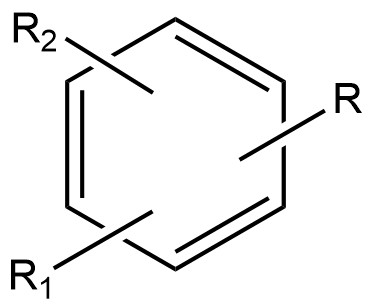
Behind every high-performance material lies a quiet revolution in molecular design. Custom compound development isn't just about mixing ingredients; it's about listening closely to what a specific industry truly needs — whether that's extreme heat resistance in aerospace, bio-inert polymers for implantable devices, or elastomers that retain flexibility at subzero temperatures. We start each project by mapping the exact performance envelope, then work backwards to design a molecular architecture that ticks every box without over-engineering.
The real art emerges when multiple demands conflict. A single compound might need to be flame-retardant yet halogen-free, electrically insulating yet thermally conductive, or tough enough for industrial use yet lightweight for handheld electronics. Solving these puzzles requires more than a database of off-the-shelf formulas. It means experimenting with unconventional filler combinations, tweaking curing kinetics, and sometimes inventing entirely new polymerization pathways. The result is a material that behaves like it was born for its application — because, in a way, it was.
Scale-up reveals another dimension of specialty compounding. A compound that performs beautifully in a 2-kilogram lab batch can turn temperamental when tons are needed. We bridge that gap by building process understanding alongside chemical expertise. Viscosity curves, shear sensitivity, and thermal history become part of the specification. This ensures that the unique compound arriving at the client's production line has the same fingerprint as the sample they approved, batch after batch — turning a bespoke innovation into a reliable industrial reality.
Decoding Regulatory Pathways Across Continents
Navigating the regulatory landscape across different continents demands a deep understanding of how legal frameworks evolve from distinct cultural and historical contexts. In Europe, the precautionary principle often shapes policy, leading to thorough pre-market assessments, while in parts of Asia, a more innovation-friendly stance encourages rapid adoption, sometimes with retrospective oversight. These foundational differences mean that a one-size-fits-all compliance strategy rarely succeeds; instead, organizations must cultivate a granular awareness of local priorities and risk appetites.
Practical experience reveals that the real complexity lies not just in the text of the law, but in its interpretation by various agencies. For instance, data privacy regulations in South America may mirror European standards on paper, yet enforcement intensity and industry-specific exemptions vary widely. Companies that invest in on-the-ground relationships with local experts and regulators often uncover unwritten expectations—such as informal testing requirements or preferred documentation formats—that can make or break a market entry timeline.
As supply chains become more globalized, the ability to anticipate regulatory convergence points becomes a strategic advantage. Certain product safety or environmental standards are gradually aligning through mutual recognition agreements, but the process is uneven and politically sensitive. Successful firms treat regulatory intelligence not as a static checklist, but as a dynamic, cross-functional discipline that merges legal analysis with geopolitical awareness, ensuring that every market move is both compliant and competitive.
Strategic Partnerships in Uncharted Territories
Venturing into unfamiliar markets often hinges on the alliances you forge before ever setting foot on new ground. These aren't simple handshake deals or generic distribution agreements; they're deeply collaborative relationships with local entities that understand the cultural nuances, regulatory mazes, and unspoken consumer expectations. A partner who's been navigating the terrain for years can help you sidestep pitfalls that would otherwise take quarters of trial and error to uncover. Choosing the right ally means looking beyond balance sheets and market share, and instead evaluating how their values, communication style, and long-term vision mesh with your own. When both sides bring something indispensable to the table—be it technology, market access, or established trust—the partnership becomes a shared journey rather than a transactional stopgap.
Such unions require a different kind of due diligence, one that prioritizes adaptability over rigid contracts. In uncharted territories, the most successful partnerships are built on transparent conflict-resolution frameworks and a mutual willingness to pivot strategies when the landscape inevitably shifts. It's less about locking in terms and more about creating a living agreement that evolves with on-the-ground insights. The best partners act as cultural interpreters, translating not just language but the subtle signals that shape consumer behavior and regulatory attitudes. This dynamic often leads to co-creation, where products or services are adapted—or entirely reimagined—to resonate locally, blurring the line between foreign entrant and homegrown brand.
Ultimately, the strongest alliances turn market entry into a collective learning process. Instead of relying solely on headquarters-driven playbooks, teams on both sides share knowledge in real time, correcting course before small missteps become costly reputational damage. It's a nuanced balancing act: maintaining brand integrity while empowering local partners to inject their own flavor into the offering. When it works, the relationship outgrows its initial commercial purpose, becoming a strategic foothold that opens doors to adjacent opportunities and untapped customer segments. In territories where the rulebook is still being written, the companies that thrive are those that treat partnerships not as a shortcut to growth, but as a deliberate, evolving practice of mutual discovery.
Mastering Supply Chain Resilience for Niche Chemicals
Operating in the niche chemicals sector means navigating a landscape where single-source suppliers, limited production volumes, and specialized logistics are the norm. A single disruption—whether from geopolitical tension, raw material scarcity, or a production hiccup—can ripple through the entire value chain, causing delays that erode customer trust and market position. Building resilience starts with mapping every node and link, from upstream intermediates to downstream formulation partners, and identifying where alternative pathways or buffer stocks can absorb shock without compromising the stringent quality standards these products demand.
Resilience in this space goes beyond reactive firefighting; it requires proactive collaboration and data-driven foresight. By sharing demand forecasts and production schedules with key suppliers early, companies can jointly de-risk sourcing and avoid last-minute scrambles for rare precursors. Internally, cross-functional teams that blend procurement, R&D, and logistics expertise are better equipped to evaluate trade-offs—such as whether to qualify a secondary supplier or invest in flexible manufacturing assets that can pivot between chemistries. Simulations and scenario planning, rooted in real-time supply chain data, help teams rehearse their response to plausible crises, turning abstract risks into concrete action plans.
Finally, true mastery comes from embedding resilience into the organizational culture rather than treating it as a one-off project. This means rewarding both cost efficiency and supply safety, nurturing relationships with innovation-minded suppliers, and continuously stress-testing assumptions as market conditions evolve. In niche chemicals, where product lifecycles can be long but demand unpredictable, the companies that thrive are those that view supply chain resilience not as a cost center, but as a strategic differentiator that enables reliable delivery and fosters lasting partnerships.
Innovations Driving Tomorrow’s Aromatic Exports
The aromatic industry is on the cusp of a transformation, driven by cutting-edge extraction techniques that unlock purer and more complex scent profiles. Supercritical CO2 extraction, for instance, now yields absolutes that capture the true essence of botanicals without the heavy residues of traditional solvents. This method not only elevates the final product's olfactory richness but also aligns with the clean-label demands of discerning global markets, giving exporters a distinct competitive edge.
Beyond the lab, digitization is reshaping the supply chain from soil to shipment. Blockchain-based traceability ensures that every drop of essential oil can be mapped back to its harvest date and geographic origin, a narrative that resonates with ethically minded buyers. Meanwhile, AI-powered quality control systems detect subtle variations in scent chemistry, maintaining consistency across batches and reducing waste—a silent revolution that marries tradition with precision.
Perhaps the most disruptive force is the marriage of biotechnology and fragrance. Labs now engineer yeast to produce rare molecules like vanilla or sandalwood, bypassing the ecological pressures of overharvesting. These bio-identical aromatics offer a sustainable, scalable alternative without compromising on authenticity. For export-focused enterprises, this means access to a steady, ethically sourced inventory that meets the tightening regulations on biodiversity and empowers entire regions to reinvent their aromatic heritage.
FAQ
The biggest challenge is the variation in chemical registration requirements across regions. For instance, Europe demands full REACH compliance, while Southeast Asian markets might have simpler notification schemes. It often requires tailored documentation for each destination and close coordination with local legal experts.
Beyond delivering consistently high purity, it's about being proactive. Sharing detailed analytical data, offering small-scale trial batches, and having a responsive technical support team can make a huge difference. Face-to-face meetings at specialized trade shows also help solidify relationships.
They are typically not commodities but are designed for specific applications like advanced polymers or pharmaceutical intermediates. Demand is driven by innovation in end sectors, so a compound that's in high demand today might be phased out tomorrow, making market intelligence critical.
Many custom aromatic derivatives are sensitive to temperature, light, or oxygen, requiring specialized packaging and controlled shipping conditions. Additionally, their high value and often hazardous nature mean we need to navigate complex transport regulations like IATA for air freight.
We often include currency adjustment clauses in our contracts, or agree to review pricing quarterly. Some clients prefer to fix prices in their local currency, which we can accommodate by hedging through financial instruments, but it adds another layer of complexity.
It's paramount. We often work under strict non-disclosure agreements because the synthesis pathway or even the existence of a compound might be part of the client's competitive advantage. We also have to ensure we aren't inadvertently infringing on existing patents in the destination country.
Conclusion
The global trade in custom specialty aromatic derivatives operates largely out of sight, yet drives innovation across pharmaceuticals, agrochemicals, and advanced materials. These niche compounds, often synthesized in small batches, demand a blend of artisanal precision and industrial scalability. Producers must craft molecules that meet exacting specifications for specialized applications—whether as intermediates in drug synthesis or as functional additives in high-performance polymers. The real challenge, however, lies in decoding the fragmented regulatory landscape, where each continent imposes its own safety, environmental, and labeling standards. Navigating this maze requires not only technical expertise but also an intimate understanding of local legal frameworks, turning compliance into a quiet competitive edge.
Success in these uncharted territories hinges on forging strategic partnerships with regional distributors, contract research organizations, and end-users who value technical collaboration over transactional exchanges. Supply chain resilience becomes paramount when dealing with rare precursors and low-volume, high-value shipments; geopolitical disruptions or logistics bottlenecks can instantly idle production. Forward-thinking exporters are reimagining inventory buffers, diversifying sources, and adopting predictive analytics to anticipate demand fluctuations. Meanwhile, breakthroughs in green chemistry and flow-reactor technology are reshaping the field, enabling cleaner syntheses and faster scale-up. These innovations not only reduce environmental footprint but also open doors to novel aromatic architectures, securing tomorrow’s market position for those agile enough to lead the shift from commoditised intermediates to true specialty differentiation.
Contact Us
Contact Person: Wei Zhang
Email: [email protected]
Tel/WhatsApp: 862163529955
Website: https://www.dslchem.com