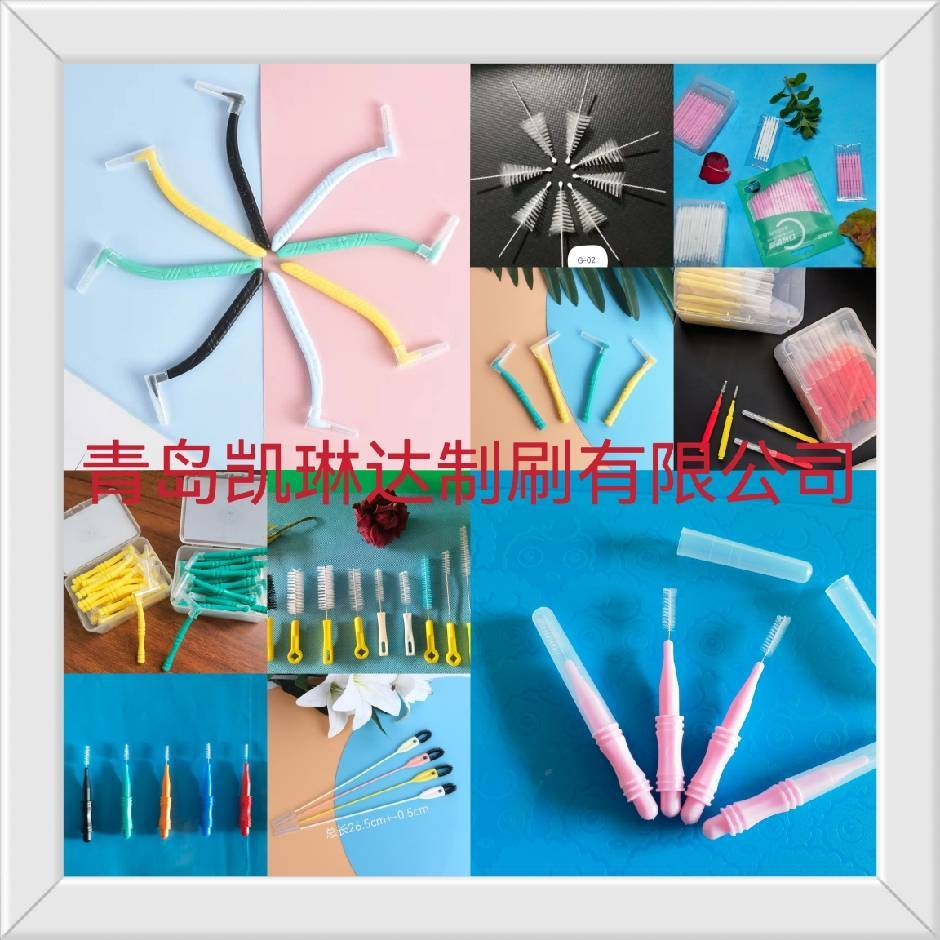
Custom Interproximal Brush Supplier: Your Guide to Quality Dental Care Solutions
2026-06-17
When it comes to maintaining a healthy smile, the right interdental brush makes all the difference. Selecting a reliable custom interproximal brush supplier is the first step toward exceptional patient care and lasting oral hygiene. At KLDZS, we combine precision engineering with personalized design to deliver brushes that fit every need. Discover how the perfect brush can transform daily cleaning routines and set new standards in dental wellness.
Tailoring Interproximal Brushes to Unique Oral Care Needs
Choosing the right interproximal brush isn't a one-size-fits-all decision. The spaces between your teeth vary in size, and your gums may have specific sensitivities. Opting for a brush with a handle that feels comfortable and a brush head that matches the width of each gap ensures effective cleaning without causing discomfort. For tighter areas, a micro-fine brush with soft bristles can slide in easily, while wider spaces benefit from a larger, tufted design that removes plaque more efficiently. Pay attention to the wire gauge and bristle stiffness—flexible options reduce the risk of gum trauma, and a durable, non-slip handle gives you better control during those hard-to-reach back teeth.
Specialized needs require even more thoughtful selection. If you have braces, implants, or bridges, look for brushes with angled necks or protective coated wires to avoid scratching hardware and to navigate around brackets. For individuals with receding gums or post-surgery care, ultra-soft bristles and slim profiles are essential to clean gently without irritating sensitive tissue. Some brushes come with interchangeable heads or ergonomic designs that make daily use less of a chore, while others feature antimicrobial bristles to support gum health over time. Experiment with different shapes, such as conical or cylindrical, to find what feels most effective for your mouth's unique landscape.
Ultimately, the best interproximal brush is the one you'll use consistently—and that means it should fit naturally into your routine. Rather than relying on generic recommendations, take a moment to assess how your teeth feel after cleaning. If you notice bleeding or discomfort, it may be a sign to switch to a softer or smaller brush. Keep a variety of sizes on hand, as interdental spaces often differ throughout the mouth. Regularly replacing brushes when bristles show wear will maintain hygiene effectiveness. By tailoring your choice to your own anatomy and oral health status, you turn a simple tool into a personalized solution that promotes long-term dental wellness without unnecessary complexity.
Material Matters: What Goes into a Superior Interdental Brush
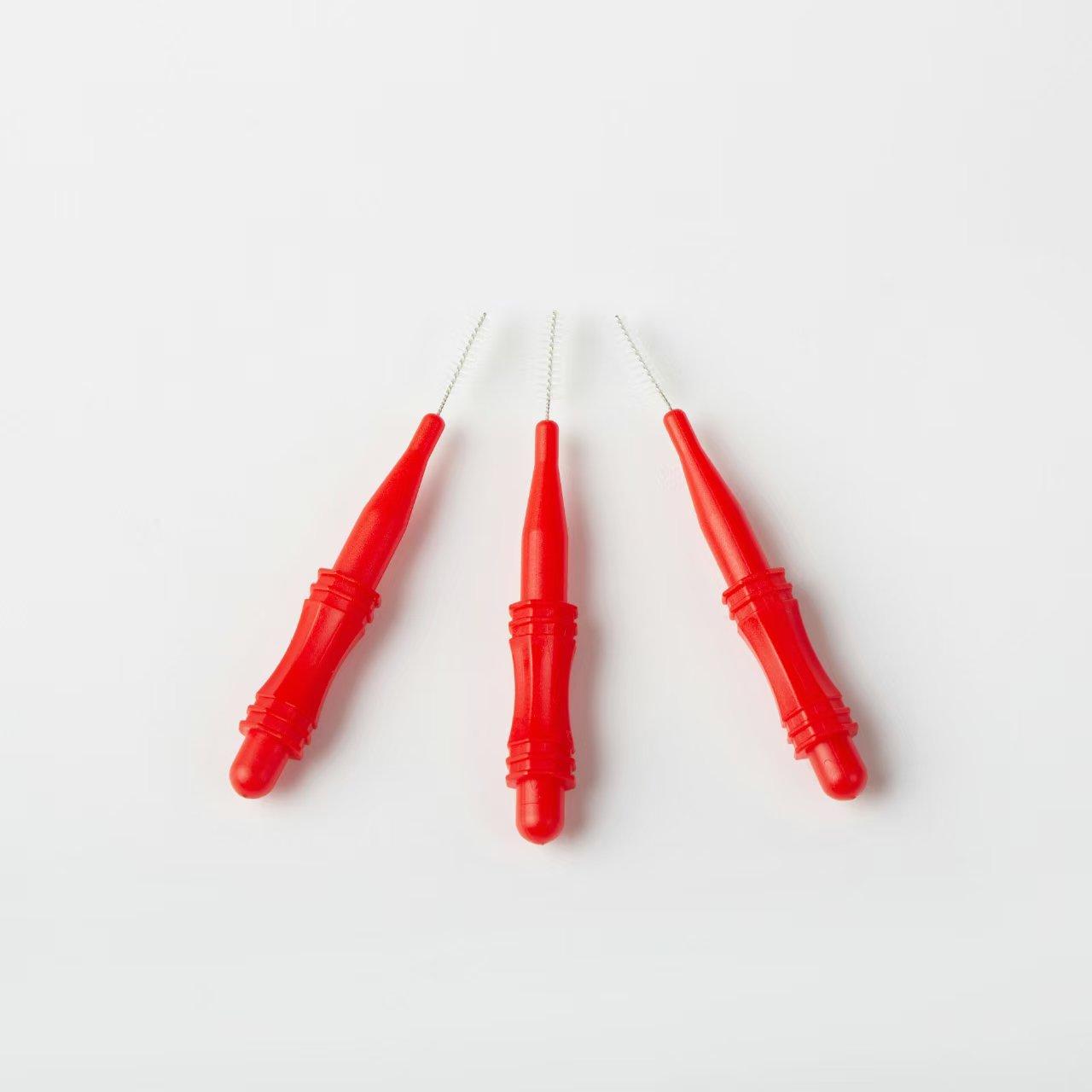
The choice of wire is the silent backbone of any reliable interdental brush. While cheap alternatives often use brittle, uncoated metal that can snap inside a tight space or scrape enamel, a superior brush opts for a surgical-grade stainless steel core, carefully tempered to balance flexibility with resilience. This isn't just about durability—it's about ensuring the wire glides smoothly between teeth without deforming under pressure. A thin plastic coating over the wire isn't an afterthought; it acts as a protective sleeve, preventing that jarring metallic taste and guarding against galvanic shock if the brush accidentally contacts a metal filling. You might not see it, but you'll feel the difference when a brush bends willingly into a narrow gap and then bounces back, ready for the next use.
Then come the filaments, where the real cleaning happens. Standard nylon bristles get the job done, but premium brushes elevate the experience by moving to ultra-fine, tapered polyester or mixed-fiber designs. These aren't just softer—their engineered diameter and texture allow them to reach into the microscopic grooves of interproximal surfaces without causing gum abrasion. Some manufacturers even coat filaments with a micro-thin layer of antimicrobial silver or activated charcoal, transforming a simple cleaning tool into a zone of freshness. The density and arrangement of these bristles matter too: spiral-packed filaments create a more thorough sweeping action than a sparse, straight-cut trim. When you look closely, you realize that a great interdental brush doesn't just scrub; it massages and mitigates plaque in a way generic versions never quite manage.
Beyond the obvious, material innovation extends to the handle and the overall construction. A thoughtfully designed handle isn't just a piece of colored plastic—it's often a co-molded grip of thermoplastic elastomer that stays put between wet fingers, allows precise angulation, and doesn't fatigue the hand during a thorough cleaning session. Even the bond between the metal core and the handle is a matter of engineering: a clean, molded-in anchor point ensures the brush won't twist loose or detach mid-stroke. In the most advanced designs, you'll find reusable handles paired with pre-capped, individually wrapped brush heads made from medical-grade materials, drastically reducing plastic waste without compromising hygiene. These aren't gimmicks; they're functional choices that show how every element, from wire to wrist, has been considered for lasting performance.
Design Innovations for Enhanced Comfort and Reach
The latest armchair redesign ditches stiff contours and instead borrows from the fluid shape of a dancer’s spine—each cushion cell adjusts independently, so your lower back gets targeted support without sacrificing overall plushness. We layered high-resilience foam over a webbed suspension that breathes through a moisture-wicking cover, meaning no more sticky afternoons after hours of sitting.
Reach was tackled through a pivoting side table that glides along a hidden track, swinging forward when you lean in or tucking back when you need open space. Telescoping elements feel almost weightless thanks to gas-assisted struts, letting you grab a book or laptop charger without twisting your shoulder blades into odd angles.
Every adjustment point works on a single lever logic—push down to unlock, release to lock, no reading instructions required. The headrest’s whisper-quiet ratchet mechanism holds seven distinct angles, making the switch from a conversation posture to a full recline something you can do mid-sentence without even looking.
Vetting a Supplier: Beyond the Basics of Quality Assurance
When vetting a supplier, many companies fixate on audits and certifications, yet these only scratch the surface. True quality assurance demands digging into the supplier’s problem-solving culture. How do they handle a sudden defect spike? Do they simply patch the issue, or do they trace it back to the root cause and adjust their processes? A plant visit reveals more than any checklist when you watch how operators react to a minor deviation—do they pause the line or shrug it off? That ingrained attitude towards ownership often determines whether you’ll face recurring headaches or reliable consistency.
Beyond technical prowess, a supplier’s communication habits are a litmus test for long-term reliability. Some suppliers shine during the sales pitch but go silent when timelines slip or material costs fluctuate. Gauge their transparency by asking about past failures. A supplier willing to share a detailed post-mortem of a project gone awry—complete with corrective steps—shows a maturity that glossy brochures can’t fake. Pay attention to informal cues too: how quickly do their engineers respond to a cryptic email, or whether they proactively flag a potential snag in your design before it becomes a crisis.
Finally, step back and assess the supplier’s ecosystem. Who supplies their raw materials, and how stable are those relationships? A supplier squeezed by their own upstream partners will inevitably pass pressure onto you, regardless of good intentions. Look for signs of mutual dependence—do they collaborate with key vendors on innovation, or is it a purely transactional tug-of-war? Also, consider their workforce stability; rapid turnover on the factory floor often hints at deeper management issues that no quality certificate can mask. Vetting at this depth transforms supplier evaluation from a box-ticking exercise into a strategic advantage.
Niche Applications: When Standard Brushes Just Won't Do
There are moments when a run-of-the-mill brush simply isn't up to the task. Think of applying conductive inks onto flexible circuits for wearable tech—here, the bristles must be anti-static, ultra-fine, and precisely aligned to avoid shorting delicate traces. Or consider the restoration of centuries-old oil paintings: conservators rely on brushes made from squirrel hair, chosen not just for softness but for a specific springiness that lifts grime without disturbing a single flake of pigment. In these niches, off-the-shelf options feel like using a sledgehammer to set a watch spring.
Then there's the world of surgical glue application during microvascular anastomosis. A brush here must be completely lint-free, able to hold a minuscule droplet of adhesive, and flex just enough to glide along a suture line without dragging. Mainstream art brushes would shed fibers, ruining the sterile field and risking thrombosis. Similarly, in the assembly of high-end loudspeakers, technicians dab a specialized damping compound onto cone edges with brushes that have precisely trimmed hog bristle—any variation in length creates an audible distortion. The tool becomes an extension of the engineer’s intent, not a mere commodity.
Hobbyists and artisans push boundaries too. Model makers who build museum-quality dioramas need brushes that can deposit static grass one blade at a time, requiring a fiber charge and release characteristic that no paintbrush is designed for. Even in taxidermy, setting delicate feathers demands a brush with a particular texture to align barbs without crushing them. When the outcome hangs on a filament’s behavior, standard options fade into irrelevance, and the search for a truly purpose-built tool begins.
Maximizing Longevity: Care and Replacement Cycles
A well-maintained item often outlasts expectations, but it's the quiet diligence of routine care that truly stretches its years. Wiping down surfaces, checking for subtle wear, and keeping components clean aren't glamorous tasks, yet they form the backbone of durability. Ignoring these small acts invites premature aging, where neglect compounds into costly breakdowns.
Replacement cycles throw many people off. They either swap parts too soon out of anxiety, or push them well past safety margins until something snaps. The trick is to learn the language of your equipment—those faint vibrations, slight discolorations, or minor performance dips that hint at a part nearing its twilight. Manufacturers' guidelines provide a starting point, but real-world conditions demand nuance. A filter in a dusty workshop will tire faster than one in a controlled environment, so rigidly adhering to a calendar ignores reality.
Blending attentive care with informed replacement timing creates a rhythm that maximizes longevity without inviting risk. Think of it as a partnership: you respond to the early signs, and in return, the item serves reliably. Keep a simple log if it helps—not a obsessive checklist, but a loose record of what was done and when. Over time, patterns emerge that no manual could capture, letting you replace before failure but not wastefully early. That's where durability truly lives, in the spaces between overcaution and neglect.
FAQ
A dependable supplier pays close attention to bristle quality, handle ergonomics, and sterilization standards. They should also offer flexibility in brush sizes and packaging to align with your branding or clinical requirements.
Custom brushes let you control dimensions, filament density, and even branding. This precision means better patient compliance and a more personalized feel that standard products rarely match.
Ask for material certifications like ISO standards and biocompatibility reports. A trustworthy supplier will openly share details about the wire core, filaments, and any coatings to ensure patient safety.
Absolutely. By adjusting the filament softness and brush head shape, you can create a tool that’s gentle on gums yet tough on plaque. Many suppliers offer trial samples to test different configurations.
The taper, curvature, and neck length all matter. A well-contoured brush can reach deep pockets without causing discomfort, making it invaluable for patients with braces or tight contacts.
Timelines vary based on complexity, but a streamlined supplier can go from design approval to finished product in about 4 to 8 weeks. Communication during the sampling phase is key to staying on track.
Yes, several suppliers now use recycled or bio-based filaments and compostable handle materials. Just ensure they maintain the same tensile strength and hygiene properties as traditional ones.
Conclusion
There’s no single interdental brush that works for everyone—oral anatomy varies widely, and a brush that fits perfectly in one person’s gaps may feel clumsy or ineffective in another’s. Custom solutions bridge that gap, literally and figuratively, by letting you tweak filament density, head size, and handle shape to match specific needs like tight contacts or sensitive gums. The materials behind these brushes are just as crucial: fine, high-tensile stainless steel wires coated in medical-grade plastic resist snapping, while soft, abrasive-free nylon bristles clean thoroughly without scratching enamel. Modern designs push comfort even further with flexible necks for posterior teeth and textured grips that make maneuvering effortless, proving that effectiveness doesn’t have to come at the expense of ease.
Beyond the product itself, a trustworthy supplier earns their place by going deeper than generic certifications. They should openly walk you through their production tolerances, sterilization methods, and testing protocols—evidence of real process control, not just paperwork. For niche applications, like cleaning around implants or orthodontic brackets, standard off-the-shelf brushes often fall short; a partner who can prototype tapered or angled heads is invaluable. Once you’ve found the right fit, its lifespan depends on simple habits: rinsing after each use, storing upright to avoid bristle deformation, and replacing the brush as soon as you notice splaying—usually every one to two weeks. These small investments in care keep a custom solution working as intended long term.
Contact Us
Contact Person: Caiju Zhang
Email: [email protected]
Tel/WhatsApp: +86 14763963294
Website: https://www.kldbrush.com