Best PP Woven Bags: Your Ultimate Guide to Durable and Versatile Packaging Solutions
2026-08-03
When it comes to packaging that truly stands up to the demands of heavy-duty use, few options rival the strength and adaptability of PP woven bags. Whether you're transporting grains, chemicals, or construction materials, these bags offer a reliable shield against tears, moisture, and wear. But not all woven bags are created equal—quality varies, and so do your choices. That’s where CHALLENGE WOLVES comes in, redefining industry standards with innovative designs and unmatched durability. In this guide, we’ll unpack everything you need to know to pick the perfect PP woven bag, avoiding common pitfalls and discovering solutions that elevate your packaging game.
Why PP Woven Bags Outlast Traditional Packaging
The secret behind the exceptional durability of PP woven bags lies in the material itself—polypropylene strips woven tightly together in a crisscross pattern. This structure isn’t just tough; it absorbs shocks and resists tearing in ways that paper or simple plastic sheeting simply cannot. When you’re moving heavy, sharp-edged goods like gravel or metal parts, these bags flex instead of rupturing, and they won’t suddenly give out even when stacked under pressure. Traditional alternatives often fail at the seams first, but overstitched reinforced seams on PP bags keep the bottom intact trip after trip.
Beyond impact resistance, PP woven bags laugh off moisture and rot. Unlike jute or cotton sacks that soak up water and break down, polypropylene doesn’t absorb liquid, so contents stay dry and the bag itself isn’t weakened by dampness. UV stabilization adds another layer of wearability for outdoor storage—standard paper bags disintegrate in sunlight, while a well-made PP bag remains functional for months. That resistance to environmental punishment means fewer replacements, less cleanup, and a truly reusable packaging option rather than a single-use liability.
Perhaps the most underrated advantage is how well these bags hold up under repeated handling. Forklift tines, rough concrete floors, and constant friction quickly shred lesser materials, but the woven texture resists abrasion. Tear one small hole and it rarely spreads, because the interlocking threads isolate damage. This rip-stop quality keeps small accidents from turning into total product loss, which is why many warehouses and farms keep coming back to PP woven bags long after they’ve abandoned other packaging types. In a direct side-by-side comparison, they simply outlast nearly everything else on the shelf.
Unexpected Uses for PP Woven Bags Beyond Storage
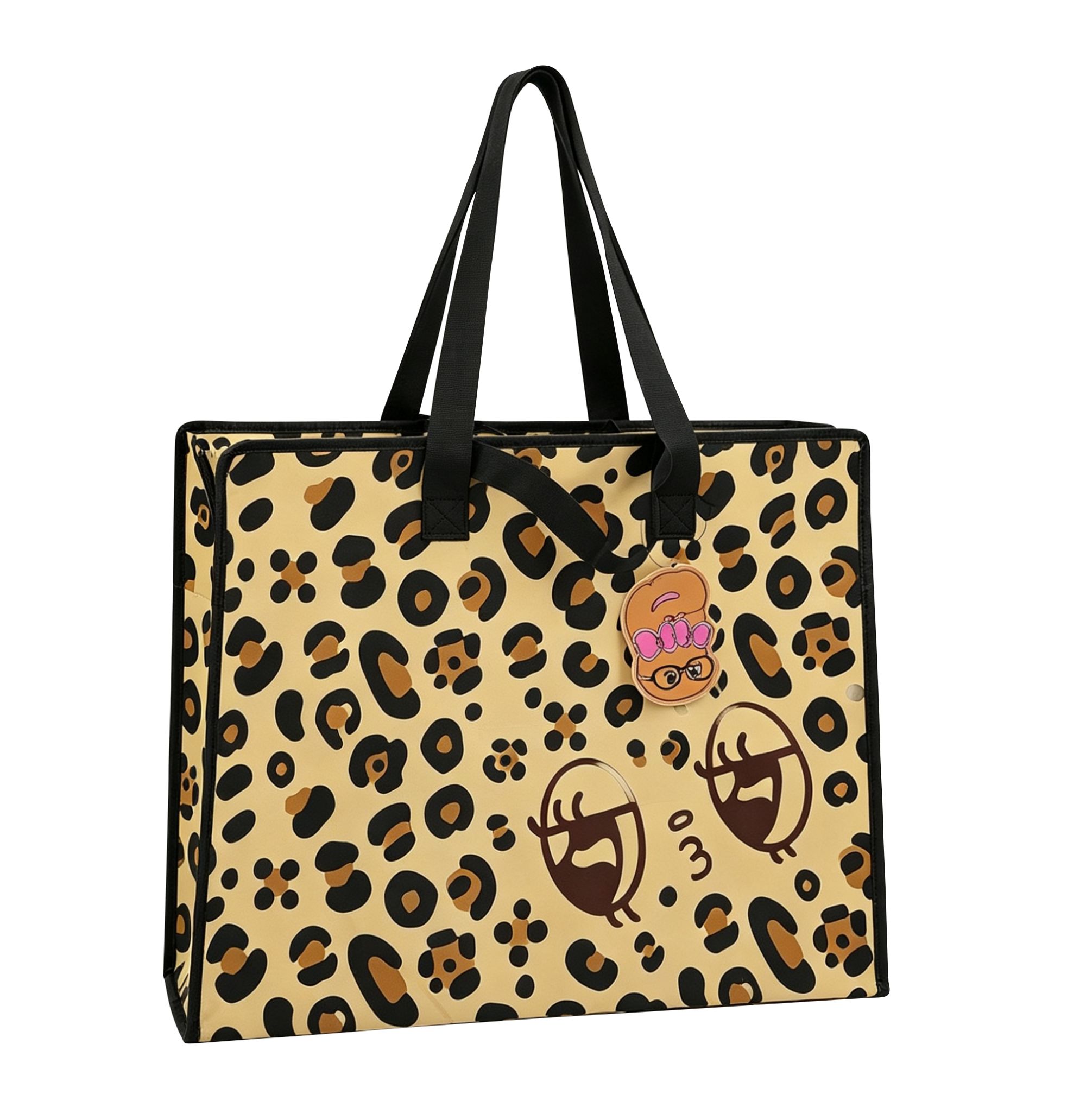
PP woven bags have found their way into the world of DIY fashion, transforming into surprisingly durable tote bags, backpacks, and even rugged sandals. Their tightly woven polypropylene fabric, originally designed to haul heavy loads like grains or sand, can be cut, reinforced, and stitched into statement accessories that defy the throwaway culture. Crafters love bleaching patterns onto the bold primary-colored sacks or fusing them with other materials to create wallets and laptop sleeves that tell a story of repurposed resilience.
In the garden, these bags double as makeshift weed barriers, heavy-duty planters, and even temporary ponds. Filled with soil, a few drainage slits poked through the bottom, and rolled-down sides, they become instant raised beds for potatoes or leafy greens. The bright white or colored fabric also reflects sunlight, keeping root zones cool, while the breathable weave prevents waterlogging. Some gardeners use them to line the inside of water features, letting roots and rocks pierce through without collapsing, while others fill them with rubble to stabilize eroding slopes.
Emergency preparedness enthusiasts often keep a stack of PP woven bags on hand for flash flooding — filled with sand, they’re a quick barricade against rising water. But beyond that, in dry climates, these sacks serve as low-tech evaporative coolers: soaked and hung in doorways, the breeze passing through the damp weave drops the temperature inside by several degrees. Even artists pick them up for sculptural work, shredding and softening the fibers into a paper-like pulp to mold textured installations that challenge our perception of industrial waste.
Anatomy of a PP Woven Bag: What Makes It So Strong?
At first glance, a PP woven bag might seem like a simple sack, but its strength lies in a clever combination of materials and construction. The core is polypropylene—a remarkably resilient thermoplastic that is melted down and stretched into thin, flat tapes. These tapes are then woven together in a crisscross pattern, much like a traditional basket weave, but on an industrial scale. This weaving process creates a fabric that resists tearing far better than solid plastic sheets because any force applied gets distributed across the intersecting strands, preventing a single point of failure.
The anatomy of these bags goes deeper than just the weave. The polypropylene tapes themselves are often given a slight texture or fibrillation to improve friction and grip, which stops the bag from unravelling under tension. Many bags also include a lamination layer—a thin film of polypropylene or polyethylene—bonded to the outer or inner surface. This coating does double duty: it shields the woven structure from moisture and UV damage, and it adds another layer of puncture resistance. The seams are equally critical; they are typically reinforced with double stitching or heat-sealing, ensuring that the edges don't bust open even when the bag is overstuffed or dropped.
What truly sets apart a well-made PP woven bag is the balance between rigidity and flexibility. The woven fabric has a natural give, which allows it to absorb impacts without cracking, yet it maintains enough stiffness to hold its shape when filled. The cross-laminated corners and reinforced hemming along the top and bottom rims act like a skeleton, preventing stretching and deforming under heavy loads. It's this thoughtful engineering—from the molecular alignment of the polypropylene tapes to the way the fabric is cut and stitched—that transforms a simple tube of woven plastic into a container capable of handling hundreds of kilos of sharp-edged aggregate, grain, or industrial powders without failing.
Choosing the Right PP Woven Bag for Your Business
When selecting polypropylene woven bags, the first step is to evaluate what you’ll be storing or transporting. Bags designed for fine powders need a tighter weave and perhaps a liner to prevent leakage, while bulkier items like grains or animal feed often work well with standard fabric. Consider moisture exposure as well—lamination or a moisture-resistant coating can be a lifesaver if your goods are stored outdoors or in humid conditions. Beyond that, the bag’s construction, from seam strength to UV protection, directly affects how it holds up over time.
Don’t overlook the importance of custom sizing and branding. Bags that match the exact weight or volume of your product reduce wasted space and make handling simpler for both your team and customers. A printable surface also lets you add logos or usage instructions, turning a simple container into a marketing tool. Finally, check the supplier’s quality track record and ask for a sample—seeing a bag in person reveals details about stitching, material thickness, and overall durability that specs alone can’t convey.
Common Myths About PP Woven Bags Debunked
Many people assume polypropylene woven bags tear easily under heavy weight, but independent stress tests consistently show they can handle loads of over 80 kilograms without seam failure. The cross-woven construction distributes tension evenly, making them a reliable choice for industries from construction to agriculture.
Another persistent myth is that these bags harm the environment. In reality, PP woven fabric is fully recyclable and increasingly made with post-industrial recycled content. When properly disposed of through recycling streams, the material can be reprocessed multiple times, dramatically cutting down on virgin plastic demand.
Some also believe the bags degrade rapidly outdoors, but UV-stabilized variants remain functional for years under direct sunlight. The addition of UV inhibitors during extrusion allows these bags to withstand harsh weather without becoming brittle, which is why they’re often used for long-term material storage.
Caring for Your PP Woven Bags to Maximize Lifespan
Giving your PP woven bags a quick wipe-down now and then goes a long way. Skip the washing machine—just mix a little mild soap with water, dampen a soft cloth, and gently clean off any dirt or stains. Let them air-dry completely in a shaded spot; direct sunlight can weaken the polypropylene fibers over time and cause fading.
When you’re not using the bags, fold them neatly instead of crumpling them up. Store them in a cool, dry place away from dampness, which can encourage mildew. Tucking a silica gel packet or two into the storage area helps keep moisture at bay, especially in humid seasons.
Treat the bags with a bit of common sense—avoid dragging them on rough ground, overloading with sharp-edged items, or leaving them out in the sun for days. If you spot a small tear, stitch it up early before it gets worse. A little attention like this keeps them sturdy and functional for far longer than you'd expect.
FAQ
PP woven bags are made from woven strips of polypropylene fabric, a tough plastic that resists tearing and stretching. Their crisscross weave gives them exceptional strength, so they can handle heavy loads without ripping, even in rough handling conditions.
Compared to paper bags, they won't tear when wet and are far more reusable. Against jute, they're lighter, more resistant to mold, and often cheaper while still offering comparable durability for many uses.
Absolutely, these bags take printing exceptionally well, allowing for crisp logos, product details, or full-color graphics. Many businesses use them as a mobile billboard because the print stays vibrant even with repeated use.
They're a go-to choice for agriculture—breathable enough to prevent moisture buildup on grains or seeds, yet tight enough to keep out pests. You'll also see them used for feed, fertilizer, and harvested crops thanks to their protective durability.
Their adaptability comes from the ability to add liners for fine powders, UV coatings for outdoor storage, or laminate layers for moisture barriers. You'll find them in construction for rubble, in retail as shopping bags, and even in flood control as sandbags.
While they're a plastic product, their long reuse life cuts down on single-use waste. Many facilities do recycle them, and some manufacturers now use recycled content—just check local recycling setups to ensure proper disposal.
Standard options range from small 5kg sacks to jumbo bulk bags holding over 1,000kg. You'll commonly see 25kg and 50kg versions in industries like chemicals or cement, but custom dimensions are easy to order for unusual needs.
Keep them in a cool, dry place out of direct sunlight since UV rays weaken the fabric over time. Stack them flat rather than folded sharply, and if they get dirty, a simple wipe-down with mild soap helps prevent material degradation.
Conclusion
When it comes to packaging that can handle heavy loads, rough handling, and repeated use, PP woven bags stand in a league of their own. Unlike cardboard boxes that crumple under pressure or standard plastic bags that tear at the slightest snag, these woven polypropylene workhorses are built from cross-laminated or circular woven fabric, creating a shield-like durability that resists punctures and stretching. The flat tape yarns are interlocked under tension, giving the material a tensile strength that belies its lightweight feel. Many assume all plastics are flimsy or environmentally harmful, but quality PP woven bags defy that reputation; they’re often reusable for years and recyclable when they finally wear out. You’ll find them in agriculture hauling grain, on construction sites carrying rubble, and even repurposed as temporary flood barriers. Their longevity isn’t just marketing hype—in real-world tests, a single PP woven sack can outlast dozens of single-use alternatives, making it a quiet champion of cost efficiency and reduced waste.
Choosing the right PP woven bag for your business isn’t about grabbing the cheapest option—it’s about matching the bag’s specs to the task. Coating, lamination, UV stabilizers, and stitch density all play a role in whether a bag will withstand moisture, sunlight, or sharp-edged contents. For instance, a laminated bag with an inner liner excels at storing fine powders like cement, while a ventilated open-mesh bag is ideal for air-drying produce. Beyond storage, these bags slip into unexpected roles: as weed barriers in gardens, sturdy sandbags for erosion control, or even as durable material for DIY outdoor cushions. How you maintain them dictates how many cycles you get—a simple rinse and thorough drying after use prevents mold and extends life dramatically. Treating them as a long-term asset rather than a throwaway item opens up possibilities that reduce your overall packaging costs and environmental footprint. No two businesses have identical needs, so take the time to assess weight capacity, closure style, and UV protection, and you’ll end up with a packaging solution that works as hard as you do.
Contact Us
Contact Person: Tony
Email: [email protected]
Tel/WhatsApp: +8615859766913
Website: https://www.cw-pak.com