
Artificial Rice Processing Line Supplier: How to Choose the Best for Your Production Needs
2026-07-10
Choosing the right artificial rice processing line supplier can make or break your production efficiency and product quality. With so many options flooding the market, it’s easy to get lost in technical specs and flashy promises. You need a partner that understands your unique needs—not just a vendor pushing a one-size-fits-all solution. That’s where MINGDE stands out, but before diving into what sets them apart, let’s explore the key factors you should prioritize. Ready to cut through the noise and find a supplier that truly delivers?
Understanding the Core Technology Behind Artificial Rice Production
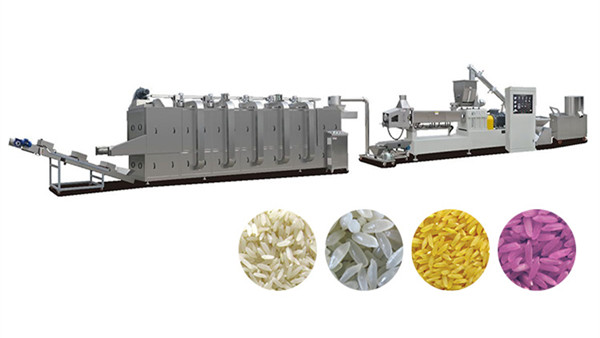
Artificial rice production relies on extrusion technology, where a blend of rice flour, starches, and micronutrients is forced through a die under high temperature and pressure. The process quickly gelatinizes the starches, creating a product that mimics the shape, texture, and bite of natural rice grains. Unlike simple reconstitution, modern systems carefully control shear forces and moisture levels to achieve a kernel that holds up during cooking.
Beyond shaping, the core of the technology lies in its ability to fortify. A premix of vitamins (such as A and B12), minerals (iron, zinc), and sometimes protein isolates is evenly dispersed into the dough before extrusion. This ensures each grain carries a consistent nutrient load, addressing dietary gaps far more reliably than surface coating methods. The rapid heating and cooling cycle also locks in these heat-sensitive additives with minimal degradation.
Recent advances have introduced multi-layer deposition and microfluidics to artificial rice, allowing the creation of kernels with different inner and outer compositions. This can be used to separate flavor layers, control cooking times, or even deliver probiotics that survive boiling. These techniques expand the product’s potential from simple calorie replacement to a functional food platform.
Evaluating Supplier Expertise and Industry Track Record
A supplier’s résumé of past projects often reveals more than a well-rehearsed sales pitch. Look beyond glossy brochures and ask for concrete examples that mirror your own challenges—a logistics firm that untangled cross-border shipping snarls, or a manufacturer that nailed a tight-tolerance medical component ramp-up. The details matter: timelines that held, quality metrics that improved, and how they handled curveballs without passing the stress on to the client.
True depth shows in the quiet signals—the team members who’ve spent a decade refining a niche process, the industry awards that are merit-based rather than pay-to-play, and the long-standing relationships with raw material suppliers that insulate your project from shortages. One telling exercise: ask how many of their key technical staff would be assigned to your account, and for how long. A revolving door of junior talent can unravel even a seasoned outfit’s promise.
Industry track record is about pattern recognition. When a supplier has repeatedly anticipated regulatory shifts before they became scrambles, or adapted their quality system to evolving standards without being prompted, they’re demonstrating a proactive muscle memory. Speak with their past clients not just about success stories, but about the moments when things went sideways—the supplier’s response in those windows often separates polished presenters from partners you can trust when the stakes are high.
Matching Machine Specifications to Your Production Goals
Every production line has its own rhythm and demands, so blindly chasing the highest specifications often leads to waste. Start by mapping your daily or hourly output targets against the machine's rated speed, but dig deeper into the duty cycle—can it sustain that pace without overheating or excessive wear? For high-mix environments, rapid changeover features might matter more than raw speed. Consider a packaging line where switching between bottle sizes takes 20 minutes versus 2 minutes; that downtime directly eats into your effective capacity.
Precision and material handling are equally critical. A machine that achieves ±0.1mm tolerance is impressive, but if your product only requires ±1mm, you're paying for capability you don't need. On the flip side, if you work with delicate materials like thin films or abrasive powders, the feeder and tooling design becomes the make-or-break factor. Think long-term too: will the machine accommodate a 30% uptick in demand or adapt to a future material switch without a costly retrofit?
Don't overlook how the machine fits into your broader workflow. Compatibility with existing conveyors, software, and safety systems can make or break an installation timeline. Even the floor layout matters—a compact footprint isn't just about saving space; it's about ensuring operators can move freely and maintenance access isn't a nightmare. Ask the manufacturer for real-world case studies or a trial run with your own materials; specs on a brochure rarely tell the whole story.
Assessing After-Sales Support and Spare Parts Availability
Evaluating the caliber of after-sales support begins well before a purchase, by scrutinizing manufacturer commitments and real customer experiences. Look beyond marketing promises to examine whether the supplier maintains a dedicated support team with deep product knowledge, accessible through multiple channels like phone, email, and live chat. Pay attention to response times and the quality of resolutions provided. A company that invests in comprehensive training for its support staff and offers extended service hours often signals a genuine dedication to customer care. Additionally, verify if they provide detailed documentation, such as user manuals, troubleshooting guides, and an online knowledge base, which empowers users to solve minor issues independently and reflects a proactive approach to support.
Spare parts availability is the backbone of reliable after-sales service. Before committing, investigate how the manufacturer manages its parts inventory, distribution network, and logistics. An ideal setup includes regional warehouses or strategic partnerships that ensure swift delivery, minimizing equipment downtime. Check whether the supplier commits to stocking critical components for a defined period after a product’s lifecycle, as this is a strong indicator of long-term support. Also, assess the ease of ordering parts—can you get them directly through an online portal, or must you navigate cumbersome procurement processes? Transparency in pricing and lead times is essential; hidden costs or vague delivery promises often hint at deeper supply chain weaknesses.
Ultimately, a thorough assessment combines technical competence with logistical readiness. Don't hesitate to ask for references or case studies from clients with similar operational scales and demands. These conversations can reveal how the supplier handles urgent breakdowns and unexpected part failures. Pay attention to how quickly they can dispatch a technician or expedite a component during critical situations. The true measure of after-sales support and spare parts availability lies not in glossy brochures, but in the supplier's track record of keeping your operations running smoothly when it matters most.
Comparing Total Cost of Ownership and Long-Term Value
When weighing upfront costs against ongoing expenses, it’s easy to overlook the subtle ways value compounds over time. A lower purchase price might seem attractive, but higher maintenance, energy consumption, or replacement frequency can quietly erode any initial savings. Look beyond the sticker price and consider how each option aligns with your operational rhythms—sometimes the more expensive choice pays for itself in reliability and reduced downtime.
Long-term value isn’t just about durability; it’s also about adaptability and how well a product or service meets evolving needs. A solution that scales effortlessly or integrates with existing workflows can prevent costly retrofits later. Factor in intangibles like user satisfaction and support quality, because these influence productivity and turnover in ways that a simple spreadsheet rarely captures.
To make a meaningful comparison, map out the full lifecycle: acquisition, usage, maintenance, and disposal. Real-world scenarios often reveal hidden costs—like training requirements or compatibility gaps—that only become apparent after the sale. By broadening the analysis beyond pure financials, you’ll spot opportunities for smarter investments that strengthen your position years down the line.
Ensuring Flexibility for Future Product and Market Shifts
Building a truly adaptable business means designing processes and systems that can pivot without breaking. Rather than locking into rigid frameworks, smart organizations craft modular workflows where components like supply chains, production lines, or service blueprints can scale up, down, or reconfigure quickly. This goes beyond contingency planning—it’s about making change a natural state, not a crisis response. When a new market opportunity or unexpected shift in demand appears, the groundwork is already laid for seamless adjustment.
The key lies in viewing flexibility as an embedded design principle rather than an afterthought. Technologies and partnerships are chosen not just for present needs but for their capacity to evolve. For instance, cloud-based tools replace static infrastructure, allowing operations to stretch or contract with minimal friction. Cross-functional teams operate with shared knowledge and decision-making authority, cutting the lag time between insight and action. This culture of responsiveness doesn’t just protect against disruption—it actively uncovers new avenues that rigid competitors miss.
FAQ
It’s wise to dig into a supplier’s past projects—ask for real case studies or client references. A solid history often reveals not just technical know-how but also how they handle challenges and support clients long-term. Pay attention to how many lines they’ve installed and whether those lines are still running efficiently years later.
Whenever possible, arrange a visit to a running production site. Seeing the equipment in action gives you a real feel for its performance, noise levels, and ease of operation. If travel isn’t feasible, request detailed videos of the line during a full production cycle. Also, inquire about material certifications and the origin of critical components like extruders and dryers.
Beyond the warranty period, you’ll want a supplier that offers prompt remote diagnostics, a ready stock of spare parts, and ideally a local service partner or trained technicians near your region. Clarify response times for emergencies and whether they provide ongoing operator training. The real test comes months after installation, so choose a partner that views the relationship as long-term, not just a single transaction.
Specialization often makes a difference. Producers who focus exclusively on artificial rice or similar extrusion-based products tend to have deeper insight into recipe nuances, die design, and texture control. A generalist might offer one-size-fits-all solutions, while a specialist can fine-tune the line to your specific grain shapes and nutritional mixes, which directly impacts your final product quality.
Start by sharing your 3-5 year growth plan during initial talks. A competent supplier doesn’t just quote a machine; they design a layout that allows for additional modules or higher-capacity components later. Check if the control system and main frame can support future upgrades without a complete overhaul. Flexibility in die sets to switch between rice shapes and sizes is another good sign of scalability.
Be cautious if a supplier avoids sharing detailed technical specs, dodges questions about energy consumption per ton, or cannot provide clear pricing for maintenance parts. Press them on past difficult installations and how they resolved them—if they claim only success stories, that’s suspicious. Also, watch for unrealistic delivery promises that far beat industry norms; quality machinery takes time to build and test properly.
Look far beyond the initial price tag. Request breakdowns of energy usage, expected spare part lifespans, and labor requirements per shift. A slightly more expensive line might save you significantly on electricity and downtime over five years. Calculate the cost per ton of finished product rather than just the machine cost. Also factor in the supplier’s engineering support during startup—flawless commissioning can prevent months of lost production.
Conclusion
Selecting the right supplier for an artificial rice processing line requires a deep dive into the technology that powers the extrusion and shaping systems. The core machinery must deliver consistent texture, nutritional uniformity, and efficient throughput, so understanding how twin-screw extruders handle various raw materials—from broken rice to fortified blends—is foundational. Beyond the equipment itself, a supplier’s track record in the field can reveal much about reliability; ask for client references and plant visits to gauge how their lines perform under real production conditions. This hands-on evaluation helps you match the line’s capacity, energy consumption, and automation level directly to your daily output goals, whether you’re targeting niche health markets or large-scale government contracts.
A truly dependable partnership extends far beyond the initial sale. The availability of local after-sales service and quick spare parts supply can prevent costly downtime, so scrutinize warranties, training programs, and service-level agreements. Meanwhile, a smart buyer looks past the upfront price tag to calculate total cost of ownership—factoring in maintenance, consumables like screws and barrels, and energy efficiency over the machine’s lifespan. Finally, the production landscape evolves, and your line should accommodate future trends, from switching to new grain crops to adjusting product shapes and fortification blends. A supplier that offers modular designs and process flexibility ensures your investment remains relevant as consumer demands shift, giving you a lasting competitive edge.
Contact Us
Contact Person: LILY SUN
Email: [email protected]
Tel/WhatsApp: 0086-13969103791
Website: https://www.snackfoodmachinery.com/