
Advanced Weighing Hopper Design: Essential Tips for Innovative Fabrication and Durability
2026-03-30
In the realm of industrial weighing solutions, achieving precision and longevity is paramount for operational efficiency. 'Advanced Weighing Hopper Design: Essential Tips for Innovative Fabrication and Durability' delves into the core strategies that set superior systems apart. At Fanchang Machinery, we've pioneered cutting-edge approaches that blend innovative materials and robust engineering to tackle common challenges like wear and inaccuracies. This guide will uncover practical insights to help you elevate your fabrication processes, ensuring your equipment not only meets but exceeds durability standards. Join us as we explore the secrets behind lasting performance in modern industrial scales.
Key Innovations in Modern Weighing Hopper Construction
Modern weighing hoppers now incorporate advanced materials and design tweaks that boost both durability and precision. Instead of traditional steel, manufacturers are opting for high-strength alloys and composite coatings that resist corrosion and reduce overall weight, which leads to faster response times during weighing cycles. These materials also enhance the hopper's ability to handle abrasive or sticky materials without frequent maintenance, ensuring consistent performance in harsh industrial environments—a real game-changer for sectors like mining or food processing where downtime can be costly.
Another standout innovation is the integration of smart sensor technology directly into the hopper structure. By embedding IoT-enabled sensors, these systems can monitor real-time data on fill levels, temperature, and vibration, allowing for predictive maintenance and more accurate weight readings. This setup goes beyond basic automation, as it enables seamless communication with control systems to adjust operations on the fly, reducing human error and improving efficiency. It's not just about measuring weight anymore; it's about creating a connected, responsive component that adapts to dynamic production needs.
Beyond hardware, modular design has revolutionized how weighing hoppers are customized and installed. Unlike rigid, one-size-fits-all models, modern versions feature interchangeable parts and scalable configurations that can be tailored to specific applications, from small-scale laboratories to large-scale industrial plants. This flexibility speeds up setup times and makes upgrades easier, as users can swap components without overhauling the entire system. By focusing on adaptability and user-centric design, these innovations ensure that modern weighing hoppers aren't just tools but integral, versatile assets in any precision-driven operation.
Material Selection for Enhanced Durability in Hopper Systems
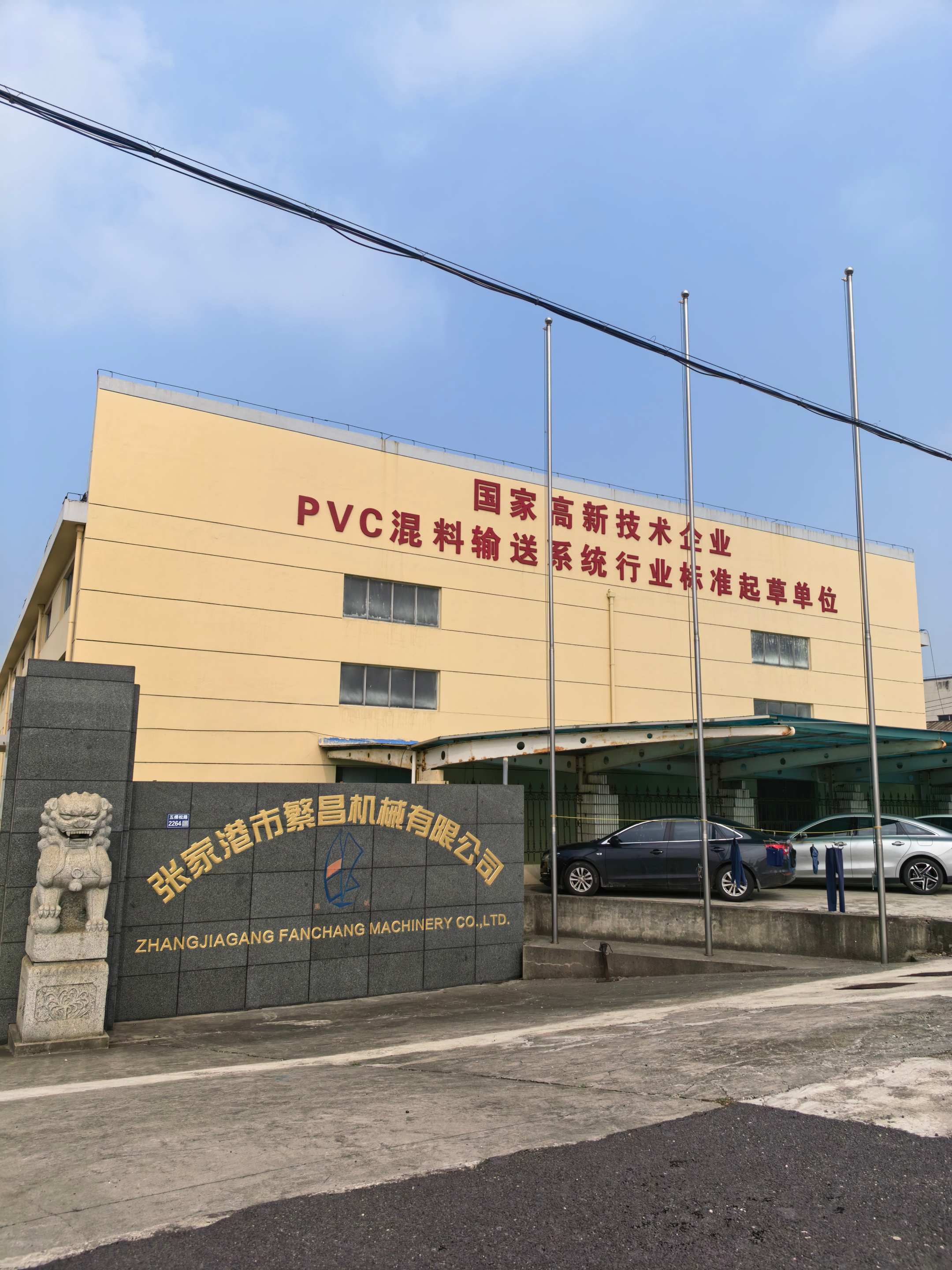
Selecting the right materials for hopper systems isn't just about picking something tough—it's a dance between longevity, performance, and real-world conditions. Think about how abrasive materials, like coal or minerals, can wear down surfaces over time. Metals like abrasion-resistant steel or high-chromium iron might be the go-to, but if corrosion from moisture or chemicals is a factor, stainless steel or specialized coatings could steal the spotlight. The choice often hinges on what's flowing through those hoppers day in and day out.
Beyond raw material strength, consider the design elements that boost durability. Liners made from ultra-high molecular weight polyethylene (UHMW-PE) or ceramic tiles can add an extra shield against wear, especially in high-impact zones. It's not just about slapping on a liner; factors like installation ease, maintenance access, and thermal expansion need to fit into the puzzle. A well-chosen material combo can turn a hopper from a maintenance headache into a long-term asset, cutting down on downtime and replacement costs.
Don't forget the environmental angle—temperature swings, humidity, and even UV exposure can quietly sabotage durability. For outdoor hoppers, materials that resist weathering, like galvanized steel or aluminum alloys, might outlast others. It's a balancing act: weighing upfront costs against lifespan, and sometimes opting for innovative composites or treatments that push traditional boundaries. In the end, smart material selection isn't just a spec sheet exercise; it's about crafting hopper systems that stand the test of time without constant fuss.
Design Strategies to Minimize Wear and Tear Over Time
To reduce material fatigue and preserve functionality, integrating robust construction methods and high-quality components is essential. For instance, using corrosion-resistant alloys in high-stress areas can significantly extend product lifespan by preventing rust and structural weakening. This approach, often seen in industries like marine engineering, not only enhances durability but also reduces maintenance costs over time.
Proactive design includes incorporating modular features that allow for easy replacement of vulnerable parts without dismantling entire systems. By designing with accessibility in mind, such as using quick-release mechanisms, wear-prone elements like seals and bearings can be swapped out efficiently, keeping equipment operational and minimizing downtime.
Environmental factors, such as temperature fluctuations and moisture, accelerate wear, so strategies like adding protective coatings and implementing thermal management systems are crucial. For example, applying ceramic coatings to moving parts can reduce friction and heat buildup, while proper ventilation prevents overheating that leads to premature failure in electronics.
Integrating Smart Technology for Precision Weighing Operations
Integrating smart technology is revolutionizing precision weighing operations by introducing advanced features that enhance accuracy and efficiency. Modern systems leverage IoT sensors and cloud connectivity to monitor weight in real-time, providing instant data feedback that minimizes errors and streamlines workflows. This seamless integration allows for automated adjustments and predictive maintenance, reducing downtime and ensuring consistent performance across various industrial applications.
In practice, smart weighing solutions incorporate machine learning algorithms to analyze historical data and optimize calibration processes. This not only improves measurement precision but also adapts to environmental factors such as temperature fluctuations or vibration interference, offering robust reliability in demanding settings. By enabling remote access and control through user-friendly interfaces, these technologies empower operators to manage weighing tasks more effectively, fostering a more responsive and agile operational environment.
Beyond technical enhancements, the adoption of smart technology in weighing systems supports better decision-making through comprehensive data analytics. Integrated software platforms can generate detailed reports and trend analyses, helping organizations identify inefficiencies and implement targeted improvements. This holistic approach transforms traditional weighing from a simple measurement task into a strategic asset, driving productivity gains and competitive advantages in sectors ranging from manufacturing to logistics.
Streamlining Fabrication Processes for Cost-Effective Production
By integrating advanced technologies like automation and real-time monitoring, streamlining fabrication processes transforms production lines into leaner, more responsive operations. This approach reduces manual intervention, minimizes errors, and accelerates throughput, directly cutting labor and material waste. Companies adopting these methods often see a boost in output quality while maintaining tighter control over expenses, making it a strategic move for competitive pricing.
Beyond technology, process optimization involves reevaluating workflow designs and supply chain logistics. Implementing just-in-time inventory or modular fabrication can slash storage costs and eliminate bottlenecks. Such refinements not only trim overhead but also enhance flexibility, allowing manufacturers to quickly adapt to market changes without sacrificing cost efficiency.
Ultimately, the goal is to create a seamless fabrication ecosystem where every step, from raw material handling to final assembly, is synchronized for maximum value. This holistic view encourages continuous improvement and innovation, ensuring long-term sustainability while delivering products that meet budget constraints without compromising on performance or reliability.
Best Practices for Maintenance and Long-Term Hopper Performance
To keep your hopper running smoothly and reliably over time, regular maintenance is key. Start by scheduling routine inspections tailored to your specific operating conditions—for example, if you're handling abrasive materials, you might need to check wear points more frequently than with lighter loads. Keep a log of these checks; noting things like vibration levels, unusual noises, or material buildup can help spot potential issues before they turn into costly repairs. Also, don't overlook the simple stuff: cleaning spillage and ensuring seals are intact can prevent contamination and downtime that disrupts your workflow.
When it comes to long-term performance, proactive measures go beyond just fixing things when they break. Implementing a preventive maintenance program that matches the hopper's usage can significantly extend its lifespan—think of it like changing the oil in your car before the engine seizes. Use high-quality replacement parts that meet manufacturer specs to avoid compatibility issues, and train operators on proper handling techniques, such as avoiding overloading or improper material feeding, which can strain components unnecessarily. This hands-on approach not only boosts efficiency but also reduces the risk of unexpected failures that can halt production lines.
Tailor your strategy to the hopper's environment and materials. For instance, in humid or corrosive settings, consider protective coatings or more frequent cleanings to combat rust and material adhesion. Engage with your team to gather insights from daily use; their observations can reveal unique challenges that generic advice might miss. By integrating these practices into your regular operations, you'll not only maintain optimal performance but also build a culture of care that pays off in fewer breakdowns and smoother, more sustainable output over the years.
FAQ
Key factors include robust material selection like corrosion-resistant alloys, reinforced structural elements, precise load distribution, and integrated protective coatings to withstand harsh environments and frequent use over time.
Innovation can be enhanced by adopting 3D modeling for design optimization, utilizing automated welding for consistency, implementing modular components for easy maintenance, and incorporating smart sensors for real-time monitoring during fabrication.
Recommended materials include stainless steel for corrosion resistance, carbon steel for strength, and specialized composites for lightweight durability, often combined with wear-resistant liners to extend lifespan.
Challenges like material stress, precision alignment issues, and cost constraints can be addressed with finite element analysis for stress testing, laser-guided assembly for accuracy, and cost-effective sourcing strategies without compromising quality.
Ergonomic considerations ensure user-friendly access for loading and maintenance, reducing operator fatigue through intuitive controls, adjustable heights, and clear visibility, which enhances safety and efficiency in daily operations.
Technology plays a crucial role by incorporating digital load cells for precise measurements, integrated calibration systems for consistency, and data analytics for performance tracking, ensuring high accuracy and reliable operation in various applications.
Conclusion
Advanced weighing hopper design integrates modern innovations through the strategic use of durable materials and smart technology. By focusing on key innovations in construction, such as reinforced structures and precision engineering, manufacturers create systems that endure harsh industrial environments. Material selection plays a critical role, with options like stainless steel and wear-resistant alloys enhancing longevity. Simultaneously, integrating smart technology, such as IoT sensors and automated controls, ensures precise weighing operations, reducing human error and boosting efficiency in real-time monitoring.
To sustain performance, design strategies that minimize wear and tear, alongside streamlined fabrication processes, lead to cost-effective production without compromising quality. Implementing best practices for maintenance, including regular inspections and timely repairs, supports long-term hopper performance. This holistic approach not only improves durability but also sets new standards in the industry by blending innovation with practical, enduring solutions.
Contact Us
Contact Person: Darye WANG
Email: [email protected]
Tel/WhatsApp: 86-13501017897
Website: https://www.fcntd.com/